Dive deep into the complex world of gaming leaks and their legality. This comprehensive guide explores whether sharing leaked game information crosses legal boundaries, examining intellectual property rights, non-disclosure agreements, and potential repercussions for both leakers and publishers. Understand the ethical dilemmas, the impact on game development, and how the industry is adapting to protect its creative assets in 2026. From early access content to unreleased titles, we break down the legal landscape surrounding unauthorized disclosures. Discover what constitutes a legal gray area versus a clear violation, ensuring you stay informed about digital content distribution. This essential read empowers gamers with knowledge on a trending topic.
are gaming leaks illegal FAQ 2026 - 50+ Most Asked Questions Answered (Tips, Trick, Guide, How to, Bugs, Builds, Endgame)
Welcome to the ultimate living FAQ for all your burning questions about the legality of gaming leaks in 2026! The world of video games is constantly evolving, and so too are the legal frameworks surrounding intellectual property and content distribution. This guide is your definitive source for understanding the nuances of gaming leaks, whether you're a curious player, an aspiring developer, or a content creator navigating the digital landscape. We've compiled the most asked questions, separating myth from reality, and providing clear, concise answers updated for the latest legal precedents and technological advancements. Dive in to get informed, stay safe, and better comprehend the intricate relationship between gaming and the law.
Beginner Questions on Gaming Leaks
Is viewing leaked game footage illegal for casual players?
Generally, simply viewing leaked game footage online as a casual player is not illegal. The legal liability primarily targets those who obtain, distribute, or profit from the unauthorized content. Your passive consumption is unlikely to lead to legal issues.
What is intellectual property in gaming and why does it matter for leaks?
Intellectual property in gaming refers to creative works like game code, story, characters, and art assets, protected by laws such as copyright. Leaks often involve the unauthorized distribution of this IP, infringing on the creator's legal rights and investment.
What is a Non-Disclosure Agreement (NDA) in gaming?
An NDA is a legal contract that prohibits individuals from sharing confidential information. In gaming, developers, testers, and partners sign NDAs to protect unreleased game details, making insider leaks a serious breach of contract.
Can social media posts about leaks lead to legal trouble?
Actively sharing, re-posting, or distributing leaked copyrighted game content on social media can expose you to legal risks, as it constitutes secondary copyright infringement. Discussing leaks is usually fine, but spreading the actual content is not.
Myth vs. Reality: Gaming Leak Edition
Myth: All leaks are bad for game development.
Reality: While most leaks disrupt marketing and morale, some very rare 'controlled leaks' or 'easter egg' style leaks can generate buzz. However, unauthorized leaks are almost always detrimental to planned releases and developer efforts.
Myth: If a leak is already public, it's fair game to share.
Reality: Just because leaked content is widely available doesn't make its further distribution legal. Sharing copyrighted material, even if sourced elsewhere, can still constitute copyright infringement. Always be cautious.
Myth: Companies only care about big game leaks, not small ones.
Reality: While major leaks garner more attention, companies vigorously defend all their intellectual property. Smaller leaks can still lead to legal action, especially if they reveal crucial, unreleased game elements or breach an NDA.
Myth: Anonymous online platforms make leakers untraceable.
Reality: Modern digital forensics, coupled with advanced AI tracking and international cooperation, makes it increasingly difficult for leakers to remain truly anonymous. Companies can often trace the origin of leaks effectively.
Legal Consequences of Leaking
What are the typical penalties for a game leaker?
Leakers can face severe penalties including civil lawsuits for copyright infringement and breach of contract (if an NDA was signed), leading to substantial financial damages. In some egregious cases, criminal charges might also apply.
Can international leakers be prosecuted by US companies?
Yes, game companies can pursue legal action against leakers across international borders. International intellectual property laws and digital crime treaties allow for cross-border prosecution, albeit with complex legal procedures.
Impact on Game Development and Industry
How do leaks affect game developers and their morale?
Leaks can severely demoralize development teams, making years of hard work feel undermined and often forcing costly changes to marketing strategies or even delaying release dates, impacting team morale and project budgets.
What measures are game companies taking in 2026 to prevent leaks?
In 2026, companies are implementing advanced DRM, dynamic watermarking, AI-driven anomaly detection, and robust internal security protocols. They use unique identifiers in game files to track unauthorized distribution effectively.
Tips for Players and Content Creators
Tips for safe content creation when discussing leaks.
When discussing leaks, content creators should focus on analysis and commentary rather than directly distributing the leaked copyrighted material. Avoid showing raw, unedited leaked footage or directly linking to infringing content to mitigate legal risks.
How can players avoid accidentally contributing to leaks?
Players can avoid contributing to leaks by being skeptical of unofficial sources, refraining from sharing unverified or suspicious content, and understanding that even re-sharing can have consequences. Always consider the source's credibility and legality.
Future of Gaming Leaks and Law
How might blockchain technology affect leak prevention in the future?
Blockchain technology, by creating immutable and traceable records of digital asset access and transfer, could provide developers with a clear audit trail for every asset, making it easier to pinpoint the origin of a leak and enhance accountability.
Will AI reasoning models make leak detection foolproof by 2030?
AI reasoning models will undoubtedly make leak detection significantly more advanced and efficient, capable of analyzing vast datasets for anomalous activity. While
Ever wondered if posting that early gameplay footage could land you in hot water? Many gamers ask, “Are gaming leaks illegal?” It’s a question that stirs debate across forums and social media. This isn't just about spoilers; it's about real legal implications. Game development is a massive industry now, and protecting unreleased content is crucial for studios. We see blockbuster titles like Grand Theft Auto VII or the next Elder Scrolls installment constantly fighting against early revelations. The hype cycle, marketing strategies, and even stock prices depend on carefully managed announcements. When information gets out prematurely, it can undermine years of hard work. Understanding the legality of these leaks involves delving into various legal concepts. It's not always a clear-cut answer, but the consequences can be significant for those involved in unauthorized disclosures.
The landscape of digital rights in 2026 is complex. Publishers use sophisticated methods to track leaks. They invest heavily in security to prevent these incidents. The stakes are incredibly high in the competitive gaming world. A single leak can impact release schedules and financial projections. So, let’s unpack the legal side of gaming leaks. We will cover everything from basic definitions to advanced legal strategies. Knowing your rights and responsibilities is key in this digital age. Gamers often forget the legal weight behind their online actions.
Understanding Intellectual Property and Gaming Leaks
Intellectual property is the bedrock of game development. This includes the game's code, story, characters, and art assets. Copyright law protects these creative works from unauthorized reproduction. When someone leaks a game, they often distribute copyrighted material. This can be a direct violation of intellectual property rights. Companies like Nintendo are famously aggressive in defending their IP. They will pursue legal action against leakers. This aggressive stance aims to deter future infringements. It sends a clear message to potential leakers.
Non-Disclosure Agreements (NDAs) and Their Role
Many individuals involved in game development sign NDAs. These legal contracts prevent them from sharing confidential information. Leaks from insiders often stem from NDA breaches. Breaking an NDA can lead to severe penalties. These penalties might include hefty fines or even lawsuits. Developers take these agreements very seriously. They are essential for protecting unreleased projects. The consequences for violating an NDA are clearly outlined. This makes insider leaks particularly risky for the individuals involved. It is a direct contractual violation with significant repercussions.
For example, if you're a QA tester, you're likely under an NDA. Sharing even a screenshot could be a breach. Even if you're a content creator given early access, strict rules apply. These rules safeguard the publisher's investments. They prevent spoilers that could damage marketing plans. The digital era means leaks spread globally in seconds. This makes NDA enforcement more challenging. However, legal teams are constantly adapting their strategies. They utilize advanced digital forensics to identify sources.
The Gray Areas and Player Responsibility
Sometimes, leaks come from public sources. This might include marketing materials released too early. Or information accidentally left on a public server. Even then, distributing such material can be problematic. While you might not have breached an NDA directly, you could still be contributing to copyright infringement. The act of sharing often implies endorsement. It helps spread illegally obtained content. Players have a responsibility to consider the source. They should evaluate the legality of the content before sharing. Ignorance of the law is not a valid defense.
The Impact on Developers and the Industry
Gaming leaks can have devastating effects. They can demoralize development teams. Years of hard work can feel undermined instantly. Financial losses from decreased pre-orders are also a concern. Leaks can force publishers to change marketing plans entirely. Sometimes, they even push back release dates. This adds immense pressure and costs. The trust between developers and their audience can erode too. It paints a picture of insecurity around their upcoming titles. The industry relies on innovation and excitement. Leaks can prematurely extinguish that spark. It disrupts carefully orchestrated reveals and launches.
Reasoning Models and the Legal Frontier of 2026
In 2026, advanced AI reasoning models are increasingly employed. These models help track the origin of leaks more efficiently. They analyze digital fingerprints across platforms. This makes identifying leakers significantly easier than before. Companies can now correlate information faster. This includes social media posts, forum activity, and network data. The legal strategies are evolving alongside these technological advancements. Expect more precise and swifter legal action against perpetrators. The digital investigative capabilities are formidable now. This enhances the enforcement of intellectual property laws. It also protects NDAs with greater certainty.
Legal Precedents and Future Trends
Historically, legal cases against leakers have often succeeded. Companies prioritize protecting their intellectual property. We've seen significant fines and even criminal charges in some instances. The trend for 2026 points to increased enforcement. Laws are adapting to the digital nature of leaks. International cooperation on digital copyright is also growing. This makes it harder for leakers to hide. Expect stricter penalties and more proactive legal measures. The industry is fortifying its legal defenses. They are ensuring creative works are secure.
Now, let's explore some common questions folks often ask. It's a tricky subject, and I get why this confuses so many people. We've all seen snippets of unreleased games online. But what's the actual legal line we're crossing?
## Beginner / Core ConceptsQ: Is it illegal to view a gaming leak online?
A: Simply viewing a gaming leak online typically isn't illegal for the average user, as you're not usually involved in the act of obtaining or distributing the copyrighted material. The primary legal liability falls on the person who initially acquired and then shared the unauthorized content. This one used to trip me up too, but generally, consumption isn't the crime. However, actively seeking out and sharing it further can bring legal risks. You've got this!
Q: What is intellectual property and how does it relate to game leaks?
A: Intellectual property (IP) refers to creations of the mind, like a game's code, story, characters, and artwork, protected by laws such as copyright. When someone leaks a game, they're often distributing this protected IP without permission, which is a direct violation of the game creator's rights. It's like stealing a painting from an artist's studio before it's finished. Try to think of it as respecting someone's hard work. You've got this!
Q: What is an NDA and why is it important for game development?
A: An NDA, or Non-Disclosure Agreement, is a legal contract that binds an individual to keep certain information confidential. In game development, NDAs are crucial for protecting trade secrets and unreleased content, ensuring that employees, testers, or partners don't prematurely leak details that could harm a game's launch or marketing strategy. I get why this seems strict, but it's all about control over their creative vision. Keep it in mind if you ever get to work on a game! You've got this!
Q: Can I get into legal trouble for sharing a leaked game video?
A: Yes, you absolutely can. While the initial leaker faces the most severe charges, actively sharing or re-distributing leaked game videos or content can constitute secondary copyright infringement. This means you're contributing to the unauthorized spread of copyrighted material, potentially making you liable for damages. It's like photocopying a copyrighted book and giving copies to all your friends; it's still infringement. Be mindful of what you share! You've got this!
Q: What kind of penalties can a game leaker face if caught in 2026?
A: In 2026, game leakers can face significant penalties, ranging from civil lawsuits demanding substantial financial damages for copyright infringement and breach of contract (if an NDA was signed) to, in some severe cases, criminal charges. Penalties often include statutory damages per infringement, legal fees, and reputational damage. Remember the Rockstar Games leaker in 2022? The legal system doesn't mess around with these big cases. Always weigh the risks carefully! You've got this!
Q: How do game companies like Nintendo or Sony track down leakers?
A: Game companies employ sophisticated digital forensics and legal teams to trace leakers. They use watermarks embedded in early builds, track unique identifiers in game files, monitor social media and forums for specific content, and leverage IP addresses and platform data to identify sources. Advanced AI reasoning models in 2026 make this tracking even more precise and efficient. It's like a digital detective agency working tirelessly. They're good at what they do! You've got this!
Q: Does it matter if the leak was accidental or intentional?
A: The intent behind a leak can influence the severity of legal repercussions, but even accidental leaks can still lead to significant legal trouble. If an NDA was breached, intent might be a factor in determining damages, but copyright infringement can occur regardless of intent if copyrighted material is distributed without authorization. I get why this feels unfair sometimes, but responsibility still lies with handling sensitive information. Always double-check before you hit send! You've got this!
Q: What about game journalists or content creators who report on leaks? Are they safe?
A: Game journalists and content creators reporting on leaks operate in a legal gray area often protected by free speech or journalistic privilege, especially if they are merely discussing publicly available (albeit illegally obtained) information without directly facilitating its spread. However, actively soliciting leaks, paying for them, or re-distributing the original copyrighted material without transformative commentary can expose them to legal risk. It's a tightrope walk. Try to stick to analysis rather than distribution. You've got this!
Q: Can a game company sue someone outside their country for leaking?
A: Yes, absolutely. With international intellectual property laws and digital crime treaties, game companies can and do pursue legal action against leakers across borders. This involves working with international legal teams and law enforcement agencies. Jurisdiction can be complex, but it's not a barrier to legal pursuit. The internet makes the world small, even for legal battles. Don't think distance offers immunity. You've got this!
Q: Is discussing leaked information on forums or Discord illegal?
A: Simply discussing leaked information in private forums or chat groups like Discord is generally not illegal in itself, similar to viewing it. However, if your discussion involves actively soliciting, organizing the distribution of, or directly re-posting copyrighted leaked material, you could expose yourself to legal risk for secondary infringement. It's the 'active participation in distribution' that crosses the line. Keep your discussions informational, not distributional! You've got this!
Q: How are evolving digital rights management (DRM) technologies impacting leak prevention in 2026?
A: In 2026, DRM technologies are becoming incredibly sophisticated, integrating advanced encryption, dynamic watermarking, and AI-driven anomaly detection systems that flag unusual access patterns or data egress from development environments. These frontier models predict and prevent potential leaks before they even happen, making it exponentially harder for unauthorized individuals to extract or distribute sensitive game files. It's a high-tech cat and mouse game, and the mouse is getting outsmarted faster. This is next-level security! You've got this!
Q: What are the implications of blockchain and NFTs for game leak security?
A: Blockchain and NFT technologies, while primarily known for digital ownership, are being explored in 2026 for secure asset distribution within development. By creating immutable records of asset access and transfer, developers can potentially track the exact moment and individual responsible for any unauthorized file movements, creating a transparent audit trail that greatly aids leak investigation. It's still early, but the potential for unforgeable tracking is huge. This could be a game-changer for digital forensics. You've got this!
Q: How does
Gaming leaks legality intellectual property law non-disclosure agreements digital content rights publisher protection player responsibility legal risks game development ethics.
35#1 Gallery are gaming leaks illegal


Behind The Screens The Truth About Gaming Leaks Gogemio Gaming Leaks 1 . Microsoft Xbox Leak Games Devices Plans Exposed Cybernews Xbox Data Leak Court . Biggest Gaming Leaks Untitled Design 1 . Gaming Leaks The Truth Is Out YouTube . LEAKED Xbox Prime Next Generation Console For 2026 Xbox Developer
#2 Gallery are gaming leaks illegal


The Biggest Gaming News Leaks Of The Week YouTube . The Biggest Gaming News Leaks Of The Week YouTube . Top 10 Most Anticipated Games Of 2026 What To Watch Out For GAMES IN 2026 . The Biggest Gaming News Leaks Of The Week YouTube . The Biggest Gaming News Leaks Of The Week YouTube
#3 Gallery are gaming leaks illegal

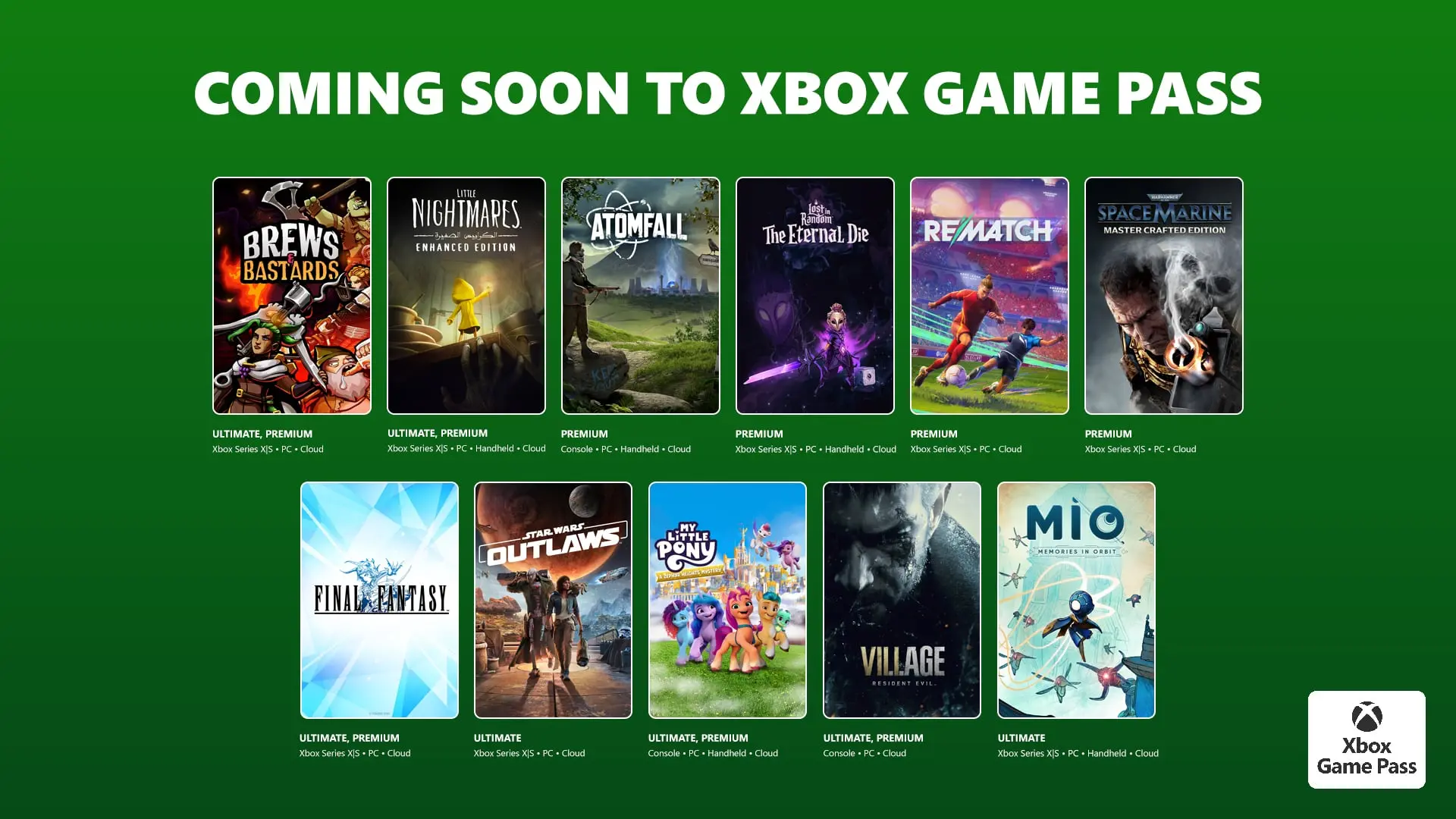
Stop Roblox From Eating Your RAM Memory Leak Fixes That Work Bulk WP Chess Game Analysis On A Computer Screen Banned Player Chess Tournament Red Alert Sign Online Gaming . Reddit Gaming Leaks Major 2025 Game Details Spark Online Debate Reddit Gaming Leaks 2 . Payal Gaming Leak Video Explained Real Or Fake Full Truth Revealed . All Upcoming Fortnite Skin Leaks March 2026 Every Rumored Collab Coming All Upcoming Fortnite Skin Leaks . Wobbly Life 1 0 Jetzt Mit Space Update Erschienen Xgp 2026 01.webp
#4 Gallery are gaming leaks illegal
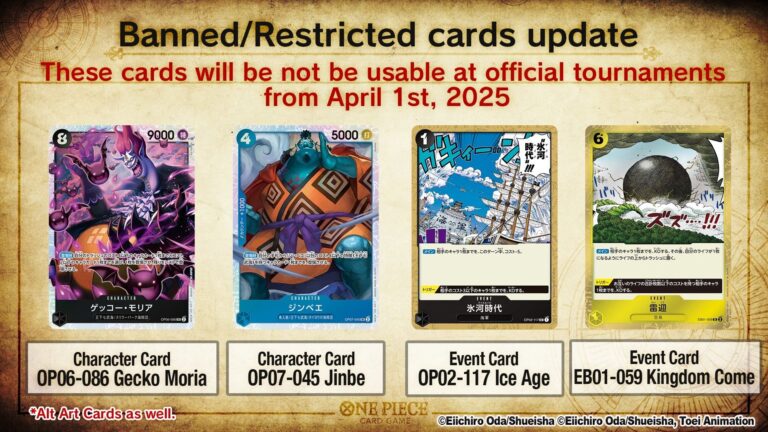



Animal Crossing 2026 Leak New Next Game In Youtube . Green Carrot Deck Guide OP08 One Piece Card Game GmJ 2IdakAAHgl 768x432 . Who Owns Roblox Power Up Gaming Is Roblox Actually Getting Banned On September 1 1024x576 . Upcoming Smartphones 2026 Leaks Hint At Game Changing Features 1966545 Upcoming Smartphones 2026 Leaks Hint At Game Changing. PS Plus February 2026 Essential Game Leaked As Nine Titles Set To Leave Untitled Design 2026 01
#5 Gallery are gaming leaks illegal



The Biggest Gaming News Leaks Of The Week YouTube . Gaming Leaks And Rumors The Ultimate Guide For Gamers 2026 Sidebar Ads 726x1024 . MTG Toxic Rules And Explained Card Game Base MTG Star Trek Set 2026 Release Leaks News Banner.webp. The Biggest Gaming News Leaks Of The Week YouTube . The State Of Video Game Leaks And Rumours In 2021 KeenGamer Gaming Leaks Cover 768x432
#6 Gallery are gaming leaks illegal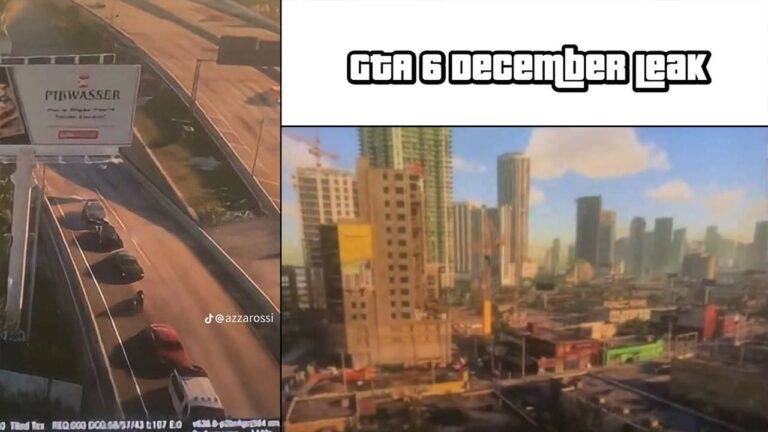


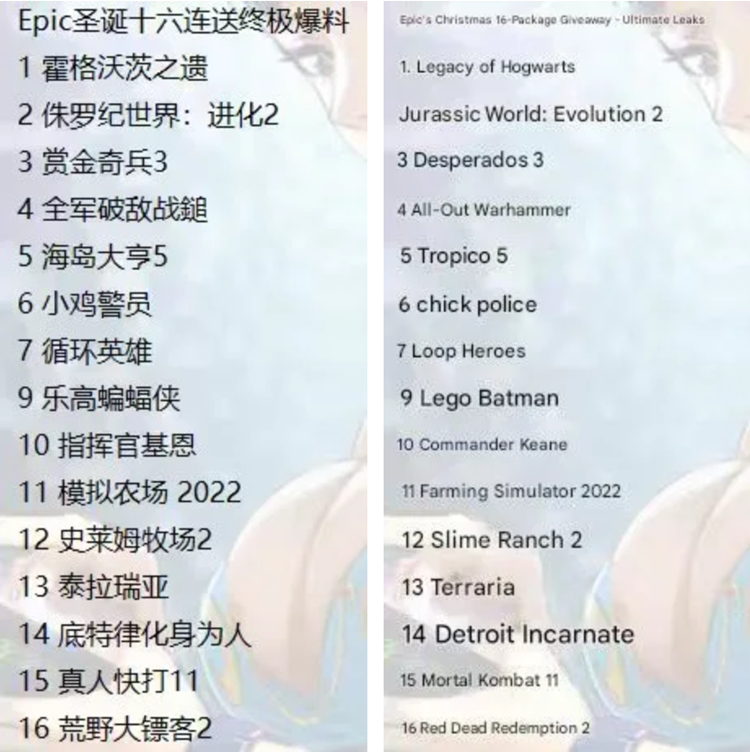
GTA 6 Leak Map Leaked Screenshot Reddit August 2025 Leaks GTA 6 GTA 6 Leak Map 768x432 . Best Digimon TCG Deck Builder Build The Best Digimon Decks Cdl 2026 Salary Leaks 1024x576 . POKEMON NEWS NEW 2026 GAME RUMOR NEW GEN 10 IMAGE LEAKS . The 10 Biggest Game Leaks Of All Time The 10 Biggest Game Leaks Of All Time 7c9v.1920 . Epic Games Store Leak Revealed RM1 2K Of Free Games Planned For
#7 Gallery are gaming leaks illegal
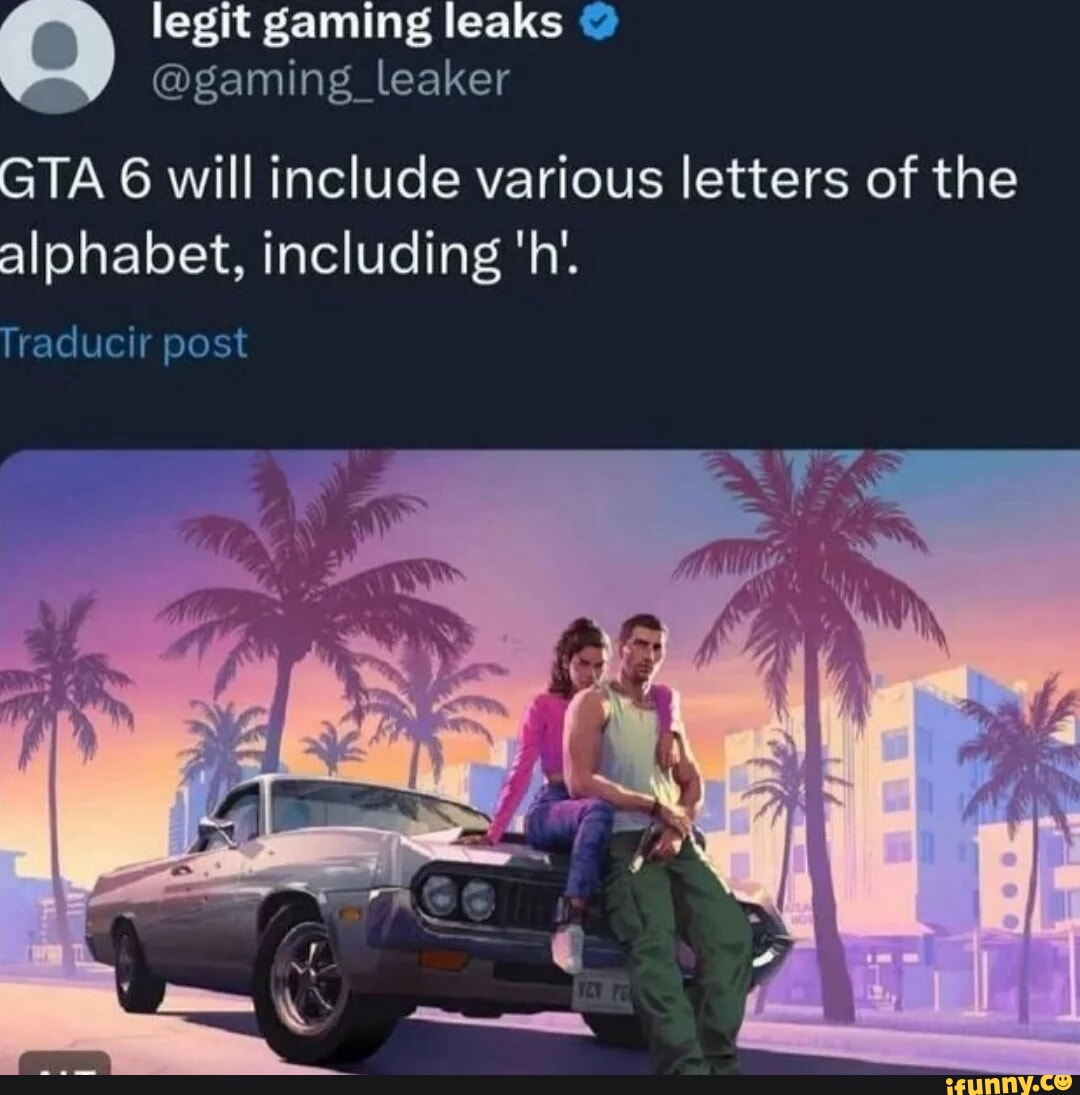


Assassin S Creed 2026 Roadmap Leaked Black Flag Remake Hexe New Open . Legit Gaming Leaks Gaming Leaker GTA 6 Will Include Various 1 . Wrongly Banned Creating Or Using An Account To Avoid An Enforcement . PrimeLeaks Free Gaming Leaks Mods Design Assets. Insomniac Games Leak Hackers Demand 2 Million Leak Games Until 2032 Screenshot 2023 12 19 211651