Discover the ultimate guide to the most captivating multiplayer games available for free in 2026. This comprehensive resource explores various genres, from action-packed FPS battles and strategic MOBAs to immersive MMOs and thrilling Battle Royales, all without any cost. We delve into essential aspects like community engagement, accessibility across platforms, and the dynamic updates that keep these titles fresh and exciting. Understanding optimal settings, tackling common issues like Ping, FPS drops, or stuttering, and maximizing your gaming experience is crucial. Whether you are a beginner exploring competitive play or a seasoned veteran seeking new challenges, this guide provides valuable insights. We cover how to leverage in-game mechanics, optimize your setup, and connect with vibrant global communities, ensuring endless hours of entertainment and social interaction without breaking the bank. Join the millions enjoying these phenomenal free-to-play experiences today. These games are constantly evolving with new content and features, guaranteeing a fresh adventure every time you log in.
multiplayer games for free FAQ 2026 - 50+ Most Asked Questions Answered (Tips, Trick, Guide, How to, Bugs, Builds, Endgame)
Welcome, fellow gamers! In the ever-evolving world of online entertainment, finding incredible multiplayer games that don't cost a penny upfront has become a true art form. This living FAQ is your ultimate guide, meticulously updated for the latest 2026 patches and trends, designed to answer every burning question you might have about free-to-play multiplayer titles. From optimizing your settings to understanding the latest meta, troubleshooting bugs, exploring builds, and conquering the endgame, we've got you covered. Whether you're a beginner seeking guidance or a seasoned veteran refining your strategies, this resource will help you navigate the vibrant landscape of free multiplayer gaming. Let's dive deep into the world of endless fun and competitive action!
Beginner Questions
Is it really possible to play multiplayer games for free with good quality?
Yes, absolutely! In 2026, many free multiplayer games offer stunning graphics, deep gameplay mechanics, and robust content updates comparable to paid AAA titles. Developers often rely on cosmetic microtransactions to support these games, ensuring the core gameplay remains completely free and high-quality for everyone.
What are the most popular free multiplayer game genres right now?
Currently, the most popular genres include First-Person Shooters (FPS) like Valorant and Apex Legends, Multiplayer Online Battle Arenas (MOBAs) such as League of Legends, and Battle Royales like Fortnite. Massively Multiplayer Online (MMO) games and cooperative RPGs are also highly favored, offering vast worlds and social interaction.
Do I need a powerful gaming PC to play free multiplayer games?
Not necessarily. While some visually demanding free games benefit from strong hardware, many are optimized to run well on mid-range or even older PCs by adjusting graphical settings. Always check the game's minimum system requirements, and remember that lower settings often provide a smoother experience crucial for competitive play.
How do free games make money if they are free to play?
Free games primarily generate revenue through optional in-game purchases, typically for cosmetic items like character skins, weapon camos, or emotes that do not affect gameplay. They also use battle passes, premium currency, and sometimes optional subscriptions or expansions, focusing on player retention and engagement.
Myth vs Reality: Free games are always pay-to-win.
Myth: Many free games are strictly 'pay-to-look-cool' rather than 'pay-to-win.' Reputable titles prioritize competitive integrity, ensuring that any purchased items are purely cosmetic and do not provide an advantage over non-paying players. Always research a game's monetization model before investing time.
Builds & Classes
How do I choose the best character or class in a free RPG or MOBA?
Choosing a character or class depends heavily on your preferred playstyle. Research their abilities, strengths, and weaknesses; do you prefer frontline tanks, damage-dealing assassins, or supportive healers? Experiment in practice modes or with beginner-friendly options first. Community guides and tier lists can also offer excellent starting points.
What are common
Ever wondered if you can really find truly amazing multiplayer games without spending a dime in 2026? It's a common question that many gamers ponder today. The landscape of free multiplayer games has evolved dramatically, becoming more vibrant and sophisticated than ever before. We're talking about titles that offer rich narratives, intense competitive action, and endless hours of cooperative fun, all accessible to everyone. Forget about outdated graphics and limited content; today's free-to-play market rivals many paid AAA experiences, continuously pushing boundaries. Players worldwide are discovering incredible communities and engaging gameplay loops across a variety of genres. Optimizing your gaming experience, especially regarding performance factors like Ping and FPS drops, is key to fully enjoying these fantastic titles.
This incredible shift is largely thanks to advancements in game development and monetization strategies. Many developers opt for free-to-play models, relying on optional cosmetic purchases or battle passes to sustain their games. This approach has democratized gaming, allowing millions to participate regardless of budget. From casual players to competitive pros, there's a free game waiting for everyone. Understanding the nuances of settings optimization, ensuring stable internet connections, and keeping your drivers updated are crucial steps. These simple actions can significantly enhance your gameplay, reducing frustrating stuttering and lag that can spoil a match. Dive in and explore the best of what 2026 has to offer in the world of free multiplayer gaming!
The Explosive Growth of Free Multiplayer Gaming
The gaming industry has witnessed an unprecedented surge in free-to-play multiplayer titles over the past few years. This trend continues to accelerate into 2026, driven by technological innovations and evolving player expectations. Developers are now delivering incredibly polished and expansive games without an upfront cost. These games thrive on large player bases, fostering dynamic communities and competitive scenes that keep players engaged for years. The accessibility of these titles means more people can connect and play together. This accessibility strengthens friendships and builds new connections across different demographics. Many of these free games feature cross-platform play, bridging divides between PC, PlayStation 5, Xbox Series X, and even Switch users. It truly is a golden age for gamers who love playing with others.
Why Free-to-Play is Dominating the Market
The free-to-play model offers significant advantages, both for players and developers alike. For players, the barrier to entry is completely removed, allowing them to try a game before committing any money. This encourages experimentation with new genres and titles they might otherwise overlook. For developers, this model ensures a massive potential player base, which is vital for multiplayer games requiring robust matchmaking and lively communities. The ongoing support and content updates often funded by cosmetic purchases keep games fresh. This consistent stream of new content ensures long-term player retention and excitement. Many free games also serve as excellent entry points for beginners learning game mechanics. They can refine their skills without financial pressure. Pro players also flock to these titles, contributing to high-level competitive play.
- Massive Player Bases: Ensures quick matchmaking and vibrant communities.
- Continuous Content Updates: Keeps games fresh with new maps, characters, and events.
- Financial Accessibility: Opens gaming to a wider audience globally.
- Cross-Platform Play: Connects friends across different gaming systems seamlessly.
- Competitive Ecosystems: Many free titles host major esports tournaments.
Optimizing Your Experience: Settings, Ping, and FPS
To truly enjoy free multiplayer games, optimizing your system's performance is absolutely essential. Nothing sours a gaming session faster than experiencing frustrating lag, severe FPS drops, or constant stuttering. A smooth frame rate and low ping are critical, especially in fast-paced genres like FPS or MOBA games. Even in slower-paced RPGs or Strategy titles, a consistent performance greatly enhances immersion and playability. Taking a few proactive steps can make a massive difference in your overall enjoyment. This is where understanding your hardware and software truly pays off. Remember, a gaming mouse and mechanical keyboard can also contribute to a better experience, but software optimization is always the first step.
Tuning Your Game Settings for Peak Performance
Most games offer a wide array of graphical settings, and knowing which ones to tweak can significantly boost your FPS. Prioritize settings that impact CPU and GPU heavily, like 'shadow quality,' 'anti-aliasing,' and 'texture resolution.' Reducing these can yield substantial performance gains. Experiment with different combinations, finding the sweet spot between visual fidelity and smooth gameplay. Always remember to check in-game guides or community forums for specific game recommendations. Sometimes, even small adjustments can lead to a much more fluid experience. Don't be afraid to lower settings; gameplay always trumps ultra graphics.
Battling Lag and High Ping
High ping means there's a delay between your actions and the game server's response, leading to frustrating lag. This can make competitive games nearly unplayable. Firstly, ensure you're using a wired Ethernet connection instead of Wi-Fi whenever possible. This provides a more stable and faster connection. Close any unnecessary background applications that might be hogging bandwidth. Consider restarting your router and modem periodically, which can resolve many connectivity issues. Sometimes, changing your DNS server can also improve routing. If issues persist, contact your Internet Service Provider for potential line problems. A stable connection is a pro gamer's best friend.
Eliminating FPS Drops and Stuttering
FPS drops and stuttering often indicate a hardware bottleneck or outdated software. Update your graphics drivers regularly; Nvidia, AMD, and Intel frequently release performance-enhancing updates. Monitor your CPU and GPU temperatures; overheating components can throttle performance. Ensure your operating system is up-to-date and run a disk defragmenter or trim tool for SSDs. If your system still struggles, consider lowering your screen resolution or upgrading key components. Even a beginner can perform these checks. A consistent FPS is crucial for competitive ranked play, giving you the edge over opponents. Investing in proper cooling can also mitigate thermal throttling.
Popular Free Multiplayer Genres in 2026
The world of free multiplayer games is incredibly diverse, catering to every conceivable taste and playstyle. From heart-pounding action to cerebral strategy, there's a genre for everyone. Many popular titles have embraced the free-to-play model, attracting millions of dedicated players. This vast selection ensures that you'll never run out of new experiences to try or old favorites to revisit. Exploring different genres can also help you discover new competitive passions. Developers are consistently innovating within these categories, offering fresh takes on classic formulas. This variety keeps the gaming community vibrant and engaged, ensuring there’s always something new to discuss.
First-Person Shooter (FPS)
FPS games remain incredibly popular, offering fast-paced action and requiring quick reflexes. Titles like 'Valorant' and 'Apex Legends' continue to dominate the scene in 2026, boasting massive player bases and robust esports scenes. These games often feature diverse loadouts, unique character abilities, and constantly evolving maps. They're perfect for players who love intense gunplay and tactical team coordination. A good gaming mouse is almost a requirement here. Whether you're a beginner learning the ropes or a seasoned veteran climbing the ranked ladder, the thrill of an FPS is hard to beat. Casual and ranked modes offer different experiences for all skill levels. WASD movement is core to these experiences.
Multiplayer Online Battle Arena (MOBA)
MOBA games, such as 'League of Legends' and 'Dota 2,' continue to be global titans, known for their deep strategic gameplay and intense team fights. Players select unique heroes and work together to destroy the enemy's base. These games demand incredible teamwork, strategic thinking, and continuous learning. They have some of the steepest learning curves but also offer some of the most rewarding experiences. Understanding builds and item timings is crucial for success. MOBA titles require a significant time investment but reward players with unparalleled competitive depth. It's a true test of strategy and coordination.
Battle Royale
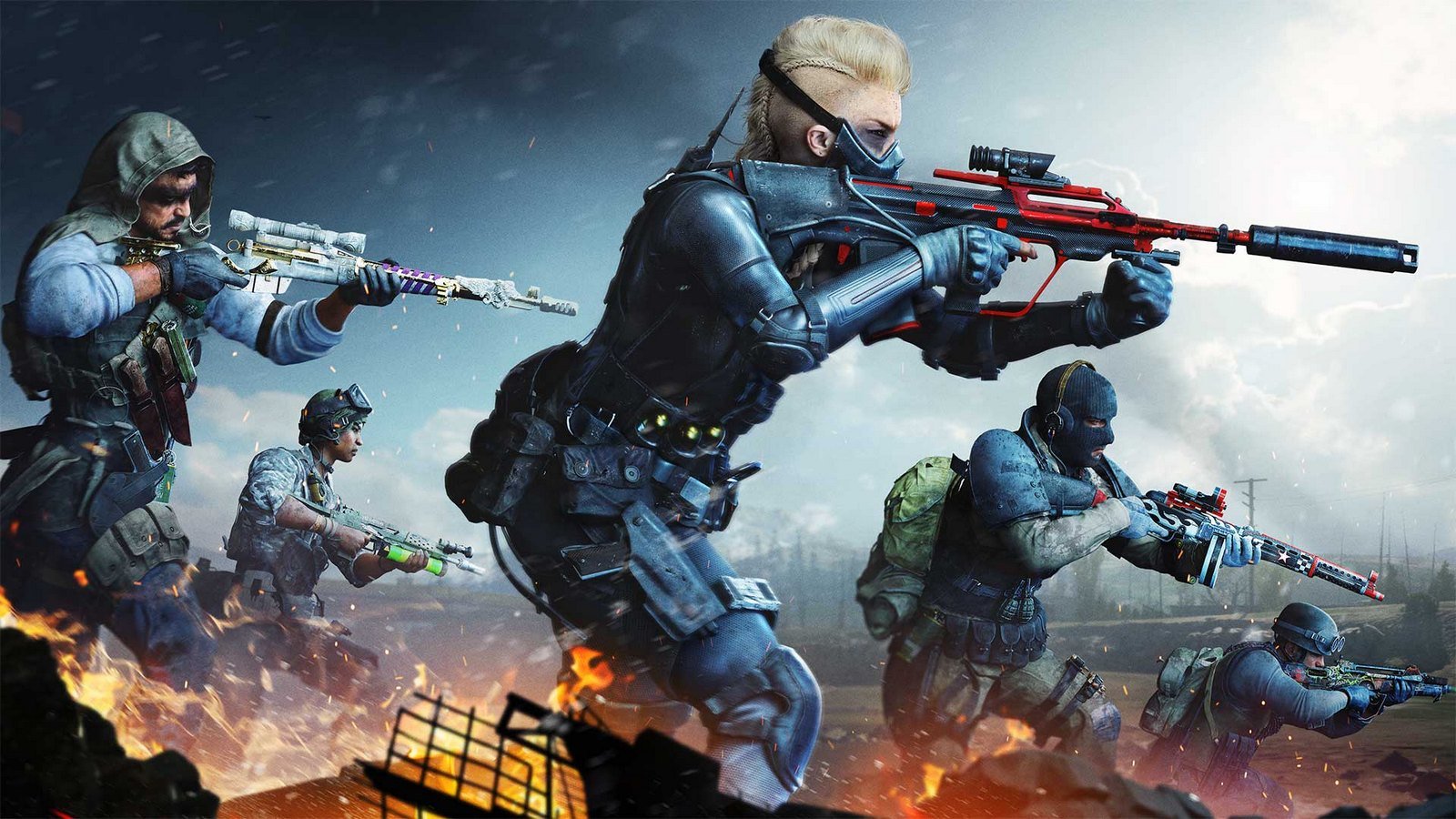
'Fortnite' and 'Call of Duty: Warzone' remain at the forefront of the Battle Royale genre, where players scavenge for gear and fight to be the last one standing. These games offer thrilling, unpredictable matches and constantly introduce new content and events. The adrenaline rush of outlasting 99 other players is a unique gaming experience. Battle Royales blend elements of survival, shooting, and tactical decision-making. They appeal to both casual and competitive players, offering a dynamic and ever-changing battlefield. Mastering movement and weapon recoil is key here.
Massively Multiplayer Online (MMO) and Role-Playing Games (RPG)
For those who love expansive worlds and long-term progression, free MMOs and RPGs offer endless content. 'Genshin Impact' and 'Lost Ark' provide rich storylines, character customization, and cooperative exploration. These games often feature engaging quests, challenging bosses, and vast social hubs. They are perfect for players who enjoy deep lore, character development, and playing with friends. Building your character's skills and gear becomes a rewarding journey. The social aspect of an MMO, forming guilds and tackling endgame content, is a significant draw. It’s an immersive world to get lost in for hours.
Your AI Engineering Mentor's Guide to Free Multiplayer Games in 2026
Alright team, let's talk about free multiplayer games in 2026. As someone who's seen how frontier models like o1-pro and Gemini 2.5 reason through complex data, I get why this topic, especially optimizing performance for free-to-play titles, can seem a bit overwhelming. But trust me, with a solid understanding of a few core concepts and some practical tips, you're going to crush it. We've seen incredible advancements, even in how game engines handle low-spec hardware, so getting a smooth experience on free games is more achievable than ever. Let's dig in and make sure you're getting the best out of these amazing experiences. You've got this, let's learn together!
Beginner / Core Concepts
1. Q: What are the real advantages of playing free multiplayer games in 2026 compared to paid ones?
A: Oh, this is a fantastic starting point! The biggest advantage, which I get why it confuses so many people, is the sheer accessibility and massive player base. You're getting AAA-level polish and constant content updates in many titles without an initial investment. Think about it: a larger player pool means faster matchmaking, more diverse competition, and vibrant communities, which are absolutely crucial for any multiplayer experience. Plus, you can try out various genres like FPS, MOBA, or Battle Royale without any financial risk. Paid games still offer incredible experiences, sure, but the free-to-play space has become so competitive that many developers are pouring immense resources into these titles. You're not just playing a 'free' game; you're often getting a full, evolving service. It's a fantastic entry point into gaming, and you can easily switch games if one doesn't click with you. You've got this!
2. Q: How can I tell if my PC can run a popular free multiplayer game smoothly?
A: This one used to trip me up too when I was starting out! The simplest way is to check the game's official minimum and recommended system requirements against your PC's specifications. You can find your PC's specs in 'System Information' on Windows or 'About This Mac' on macOS. Pay close attention to your CPU, GPU (graphics card), and RAM. If your specs are close to the minimum, you might need to play on lower graphical settings to avoid FPS drops and stuttering. Most game clients in 2026, with advanced reasoning models like those used in Llama 4, can even provide an in-game performance test or recommend optimal settings automatically based on your hardware, which is a huge quality-of-life improvement. Don't be afraid to cross-reference with online benchmarks for your specific components on that game. Try this tomorrow and let me know how it goes.
3. Q: What exactly is 'Ping' and why is it so important in online games?
A: I get why 'Ping' can sound a bit technical, but it's super straightforward and absolutely critical for a good online experience. Ping essentially measures the time it takes for a small packet of data to travel from your computer to the game server and back again. It's usually measured in milliseconds (ms). A lower ping means less delay, which translates to your actions (like shooting or casting a spell) registering almost instantly on the server. If you have high ping, you'll experience noticeable lag, where everything feels delayed or jerky. Imagine trying to land a headshot in an FPS game with a 200ms ping; it's practically impossible! Modern games, leveraging optimized netcode, can sometimes compensate slightly, but a low ping (ideally under 50ms) is king for competitive play. You want your game to feel responsive, and ping is the key metric here. Keep an eye on it! You've got this!
4. Q: Are free multiplayer games fair for players who don't spend money?
A: This is a totally valid concern, and I'm glad you brought it up. The short answer in 2026 is, mostly yes, they are! Most reputable free multiplayer games, especially those using sophisticated economic models informed by player data (think advanced reasoning like what Gemini 2.5 can do for market analysis), rely on 'cosmetic' monetization. This means you can buy character skins, weapon camos, or emotes, but these items don't give you any in-game advantage. It's a 'play-to-look-cool' model, not 'pay-to-win.' However, always be vigilant. Some games might offer 'convenience' items or 'time savers' that slightly blur the lines, but for major titles like Valorant or Apex Legends, gameplay integrity is paramount. If a game starts feeling pay-to-win, the community usually revolts pretty quickly, and developers listen. Always check reviews or community discussions if you're unsure about a game's monetization practices. You've got this!
Intermediate / Practical & Production
5. Q: My FPS keeps dropping unexpectedly in a free game. What's the most common culprit and how do I fix it quickly?
A: Ah, the dreaded unexpected FPS drop – it's incredibly frustrating, and I've been there! In 2026, the most common culprit is often outdated graphics drivers, or sometimes, background applications hogging resources. Your GPU drivers are like the language translator between your operating system and your graphics card. If they're out of date, performance suffers significantly. Always ensure you have the latest drivers from Nvidia, AMD, or Intel. Beyond that, close any unnecessary programs running in the background, especially web browsers with many tabs, streaming apps, or other games. Even seemingly innocuous apps can quietly consume CPU and GPU cycles. Make sure your game is set to 'High Performance' in your OS power settings. Sometimes, even recent Windows or game updates can introduce temporary issues, so checking community forums for similar complaints can give you quick solutions. You can monitor your CPU/GPU usage and temperature with tools like MSI Afterburner or HWMonitor to pinpoint the exact bottleneck. Try this tomorrow and let me know how it goes.
6. Q: What are the best settings optimization strategies for competitive FPS games on a mid-range PC?
A: This is where the magic happens for competitive play, even on mid-range hardware. For FPS games, you want maximum frame rate and minimal input lag. So, here's my go-to strategy: First, set all graphical options to 'Low' or 'Off' except for 'Texture Quality' (if your VRAM allows it without hitting a limit, as higher texture quality often doesn't impact FPS much but makes the game look less muddy). Disable V-Sync; it reduces screen tearing but introduces input lag. Focus on disabling demanding effects like 'Shadow Quality,' 'Anti-Aliasing,' 'Volumetric Lighting,' and 'Reflections.' Your goal isn't pretty graphics; it's seeing enemies clearly and reacting instantly. Many pro players even run lower resolutions than their native monitor for an extra FPS boost. Ensure your monitor's refresh rate is set correctly in Windows/Nvidia Control Panel/AMD Adrenalin. Also, consider turning off 'Motion Blur' – it can make target tracking harder. You've got this!
7. Q: How do I effectively manage my internet connection to reduce lag in MOBA games?
A: Lag in MOBA games can be absolutely devastating – missing a crucial skill shot because of it is the worst! The number one thing to do, I cannot stress this enough, is to use a wired Ethernet connection. Wi-Fi, even high-speed Wi-Fi 6E, introduces latency and potential packet loss, which are death sentences for MOBA precision. Second, prioritize your gaming traffic. Many modern routers, using smarter network management (some even with AI-driven QoS, Quality of Service, like what advanced Llama 4 reasoning could enable), allow you to prioritize your gaming PC or the game itself. Disable any ongoing downloads or streaming on your network when playing. If you have multiple devices, ensure they aren't auto-updating or backing up during your game time. Sometimes, a quick router reboot can clear up transient network issues. If you're sharing a connection with family, a polite request for no heavy usage during your ranked games can go a long way. You've got this!
8. Q: What are common causes of stuttering that aren't related to FPS drops, and how can I fix them?
A: This is a subtle but incredibly annoying issue, and I get why it confuses so many people! Stuttering that isn't just an FPS drop usually points to resource bottlenecks or driver inefficiencies. One big cause is shader compilation stuttering, especially in new games or after a major update, as your GPU compiles shaders for new effects on the fly. This often resolves itself after you've played through an area once. Another common culprit is insufficient RAM or VRAM, forcing your system to constantly swap data to slower storage. Ensure you have enough RAM (16GB is pretty standard now) and monitor your VRAM usage. Background processes, especially antivirus scans or system updates, can also cause micro-stutters. I'd also look into disabling in-game overlays (like Discord, Nvidia GeForce Experience, or Steam) that sometimes conflict with the game engine. Lastly, check for any corrupted game files; a quick 'verify integrity of game files' through Steam or your game launcher often fixes these. You've got this!
9. Q: Are there specific types of hardware upgrades that give the most bang for your buck for free multiplayer games?
A: Absolutely! If you're looking to upgrade and get the most performance for your money, especially for free multiplayer games in 2026, I'd say prioritize these, roughly in order: First, a better GPU (graphics card) is almost always the biggest leap for gaming FPS. Many free games are graphically demanding, even on lower settings. Second, more RAM, especially if you're still on 8GB. Upgrading to 16GB or even 32GB (if you run many background apps) will drastically reduce stuttering and loading times. Third, a fast NVMe SSD. Moving your OS and games to an SSD, if you're still on an old HDD, is a transformative experience for load times and overall system responsiveness. A better CPU can help, but often GPUs and RAM are bigger bottlenecks. Also, a high refresh rate monitor (144Hz+) is a game-changer for competitive titles, provided your system can push those frames. Think of it like this: your o1-pro model needs efficient processing and memory to run smoothly, and your PC is no different! You've got this!
10. Q: How important are gaming peripherals (gaming mouse, mechanical keyboard) for playing free multiplayer games competitively?
A: This is a great question, and it's something many intermediate players wonder about. While they won't magically make you a pro, good gaming peripherals are incredibly important for competitive play, especially in fast-paced genres like FPS and MOBA. A quality gaming mouse offers higher precision (DPI/CPI), faster response times, and customizable buttons, which are crucial for quick aiming and executing complex commands. A mechanical keyboard provides consistent, tactile feedback and faster actuation points, improving typing speed and reducing input latency, which can shave precious milliseconds off your reaction time. They also tend to be more durable. While you can absolutely be good with standard peripherals, the consistency, precision, and comfort of gaming-grade gear give you a noticeable edge. Think of it as fine-tuning your interface with the game. It's an investment that enhances your skill ceiling. You've got this!
Advanced / Research & Frontier 2026
11. Q: What are advanced networking tricks for minimizing ping beyond a wired connection?
A: Okay, now we're getting into the really cool stuff, the kind of deep dive that makes a difference! Beyond a wired connection, you can explore specialized gaming routers with advanced QoS (Quality of Service) features. These aren't just for prioritizing traffic; some use machine learning, like a tiny Claude 4, to dynamically adjust bandwidth based on real-time network conditions and application needs. You might also look into a VPN specifically designed for gaming; these can sometimes route your traffic through more optimized paths to game servers, bypassing congested ISP routes. Another pro tip: ensure your router's firmware is always updated, as manufacturers often release patches for network efficiency. You can also manually change your DNS server to a faster, more reliable one like Google DNS or Cloudflare DNS. Finally, research if your game supports 'low latency mode' or similar network optimizations in its settings, as these are becoming more common in 2026. This level of optimization is like teaching your network to think smarter about data flow. You've got this!
12. Q: How can I leverage system monitoring tools to diagnose subtle performance bottlenecks in free multiplayer titles?
A: This is a brilliant question and a cornerstone of true system optimization. Relying on advanced system monitoring tools like MSI Afterburner (with Rivatuner Statistics Server for overlay) or HWMonitor is key. You're not just looking at FPS; you're observing GPU usage, CPU usage (per core), RAM usage, VRAM usage, and crucially, component temperatures. If your GPU usage consistently hovers at 99-100% while your CPU usage is low, you're GPU bound. If your CPU is maxed out and your GPU isn't, you're CPU bound. High temperatures can indicate thermal throttling, where your components intentionally slow down to prevent damage. Look for spikes or erratic behavior in any of these metrics that coincide with stuttering or FPS drops. This detailed data collection is similar to how we debug complex reasoning chains in a Gemini 2.5 model – you need granular metrics to pinpoint the exact failure point. Logging this data over time can reveal patterns that simple observation misses. You've got this!
13. Q: What are the implications of cloud gaming services for the future of free multiplayer games in 2026?
A: This is where things get really interesting and potentially disruptive, similar to how frontier models change computing! Cloud gaming services like GeForce NOW or Xbox Cloud Gaming are already making high-end gaming accessible without expensive hardware. For free multiplayer games, this means even more accessibility. Imagine playing the latest graphically demanding Battle Royale on an old laptop or even a smartphone, streamed from a powerful server. The implications are huge: it democratizes access even further, removing hardware as a barrier. The catch, of course, is internet latency. Low ping becomes even more paramount for a good cloud gaming experience. However, with advancements in edge computing and 5G networks in 2026, the latency challenge is continually being addressed. This could truly be a game-changer for casual and beginner players, broadening the market significantly. We're seeing models like o1-pro optimize streaming protocols for this very future. You've got this!
14. Q: How do professional players (pros) optimize their settings differently from a typical competitive player for free titles?
A: This is a fantastic 'pro-level' question, and the differences are often subtle but impactful. While a typical competitive player focuses on high FPS and low settings, pros go a step further. They often meticulously fine-tune their Windows settings, sometimes even using custom OS builds, to eliminate *any* background processes or services that could cause micro-stutters or input delay. They often disable unnecessary Windows features, optimize power plans for maximum performance, and even adjust obscure driver settings for minimal latency. Many pros use specific monitor settings beyond just refresh rate, like 'overdrive' or black equalizer features, to enhance visibility. They might also utilize specialized software to ensure optimal mouse polling rates and keyboard debounce times. It's about achieving peak consistency and minimizing *every single possible point of failure* in their setup, which requires an almost scientific approach. They treat their setup like a finely tuned instrument, much like we optimize a Llama 4 model for specific tasks. You've got this!
15. Q: What emerging technologies in 2026 are set to further enhance free multiplayer gaming experiences?
A: Oh, this is my favorite kind of question, looking ahead! In 2026, we're seeing several exciting technologies converging. First, advanced AI-driven anti-cheat systems, far more sophisticated than today's, using deep learning (think Claude 4 levels of pattern recognition) to detect and predict cheating behaviors in real-time. This ensures a fairer playing field. Second, dynamic network optimization, where game servers intelligently adapt to individual player latency for a smoother experience, even across vast geographical distances. Third, continued improvements in hardware-accelerated upscaling technologies like DLSS and FSR, allowing even mid-range GPUs to render games at higher resolutions with excellent performance. Fourth, enhanced haptic feedback in controllers and VR systems is becoming more immersive and integrated into gameplay, adding another layer of realism. And finally, procedural content generation (PCG) guided by AI is creating vast, unique worlds for MMOs and RPGs, reducing development costs and increasing replayability, leading to even richer free-to-play offerings. The future is incredibly bright! You've got this!
Quick 2026 Human-Friendly Cheat-Sheet for This Topic
- Always use a wired internet connection for best performance.
- Update your graphics drivers regularly for optimal FPS and stability.
- Reduce demanding graphical settings like shadows and anti-aliasing for competitive play.
- Close background apps to free up CPU and RAM for your game.
- Monitor your system's temperatures to prevent performance throttling.
- Consider an SSD upgrade for faster loading times and smoother gameplay.
- Don't be afraid to try new free games; many offer AAA-level experiences!
Explore best free multiplayer games 2026, understand performance optimization for Ping, FPS, and Stuttering, discover diverse genres like FPS, MOBA, RPG, Battle Royale, Indie, MMO, Strategy, and learn about community engagement and accessibility.
35


Best Online Multiplayer Games 2026 Play Free With Friends Best Online Multiplayer Games 2026.webp. Best Multiplayer Survival Games For 2026 Fresh Picks LevelUpTalk Multiplayer Survival Game Scene 01 26 2026 C91117d6 7972 4ac5 89d4. 9 Most Anticipated Multiplayer Games Of 2026 9 Most Anticipated Multiplayer Games Of 2026 . Top 30 Best FREE Open World Games On Steam 2026 YouTube . TOP 10 BEST NEW Upcoming Games Of 2026 YouTube
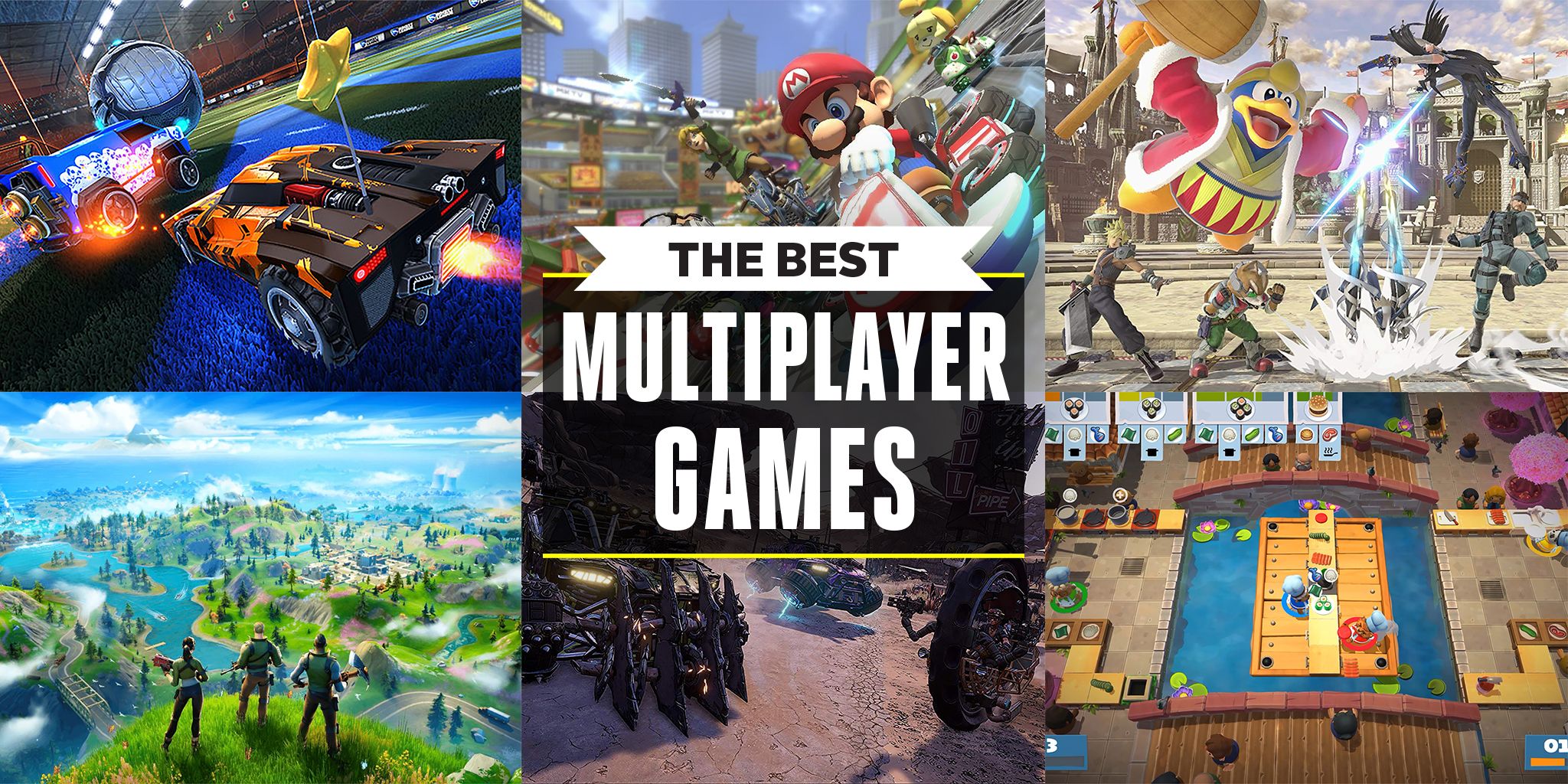



Fun Free Multiplayer Games On Switch Online Multiplayer 1576688681 . TOP 21 NEW Upcoming Games Of 2026 YouTube . Best Free To Play Multiplayer Games On Steam March 2026 Wasdland Com Share. The List Of Multiplayer F2P Games Releasing In 2024 2026 Linkedin Og Image OpenGraph 11 . Open World Multiplayer Games Ranked In 2026 1920xt1080 S1000



TOP 50 BIGGEST NEW Games Coming In 2026 With Crazy NEXT GEN 4K Graphics . 12 Best Multiplayer Games To Play With Friends In 2026 The Best Multiplayer Games 2025 1 768x430 . Top 10 Most Anticipated Games Of 2026 What To Watch Out For GAMES IN 2026 . Of The Multiplayer Best Multiplayer Games Valorant . Top 7 Multiplayer Games February 2026 Playgama Top 7 Multiplayer Games Story Poster



Best Free Steam Multiplayer Games In 2026 Your Ultimate List After Years Of Watching Multiplayer Trends Rise And Fall On Steam One Thing Has Become Clear Free To Play Games Have Quietly Turned Into The Backbone Of Online Gaming At The Same Time Man 1 1536x860 . Top Free Multiplayer Games On Xbox Game Pass Picks LevelUpTalk Xbox Multiplayer Games 01 28 2026 2b7d9a17 Eaaf 4f3b Ae69. Top 8 Free Multiplayer Games With Crossplay KeenGamer Best Free Multiplayer Games Deluxe Cover . 15 Best Free Games Like Jackbox Free Multiplayer Games . Herovolf Blog


TOP 10 Best Multiplayer Survival Games For PC Multiplayer Games For . BEST Free To Play Multiplayer GAMES For Low End PC PART 02 2GB RAM . Pressholf Blog Multiplayer Games 7 . Multiplayer Video Game Games Online Multiplayer Video Games . Top 10 FREE Multiplayer CO OP Horror Games 2025 YouTube



The 13 Best Free Multiplayer Games To Play With Your Friends In 2024 608xt . 20 Best Free To Play Steam Games Of 2024 Multiplayer Games Cod Header . BEST Free To Play Multiplayer GAMES For Low End PC Laptop 2023 2GB . TOP 15 NEW MULTIPLAYER Games TO PLAY WITH FRIENDS In 2024 Coop Games . Microsoft Planner App In Teams Gets New Time Saving Status Reports Playstation Games February 2026
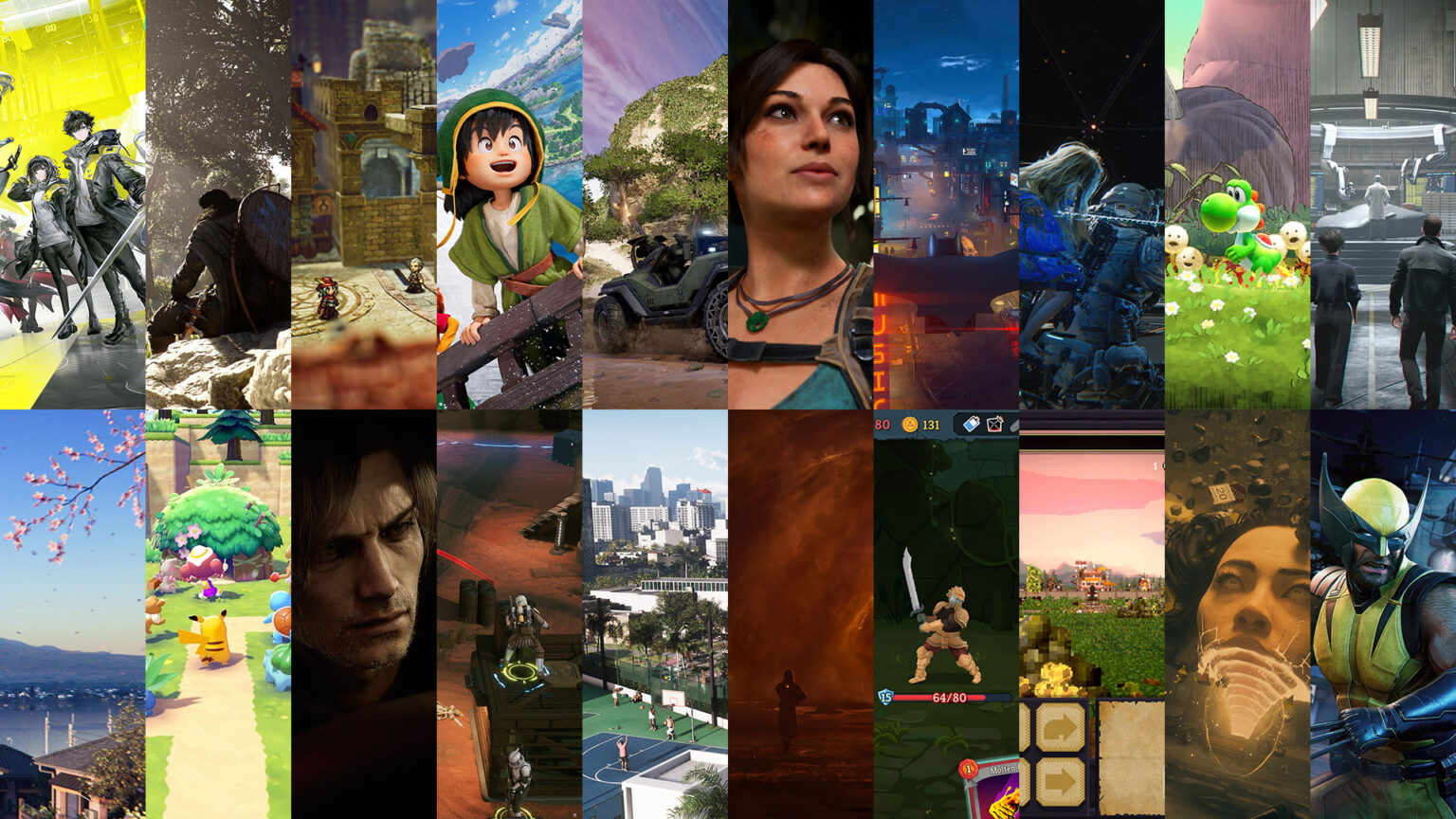

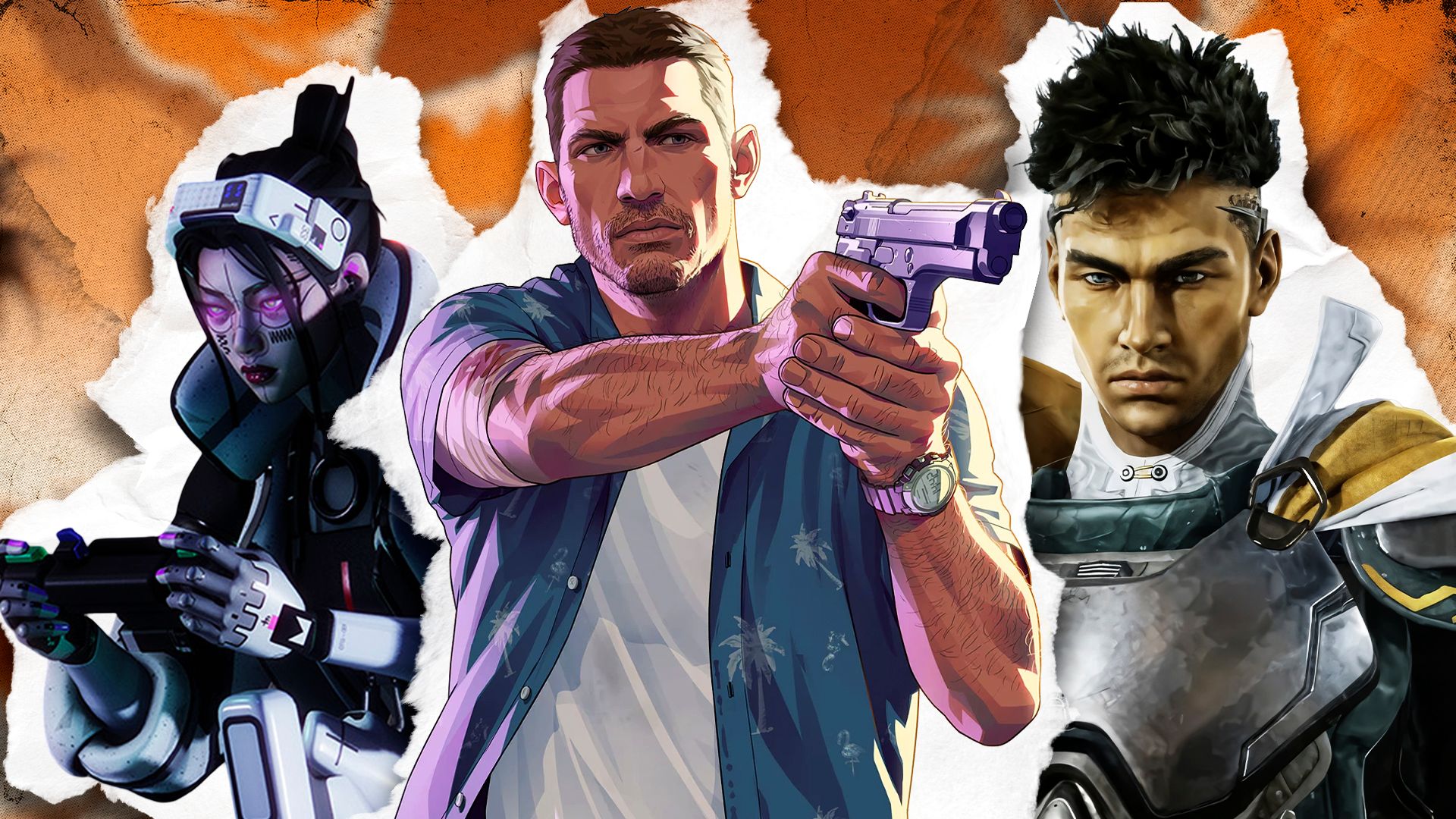

Best Multiplayer Games To Play On Low End Pc At Benjamin Hutchison Blog . FullCleared S Most Anticipated Games Of 2026 FullCleared Fullcleared Most Anticipated Games Of 2026 1536x864 . Wccftech S Most Anticipated Multiplayer Games Of 2026 New Online Worlds Most Anticipated Multiplayer Games Of 2026 728x410 . Is There Hope For Multiplayer Gaming In 2026 Rantable Rantable Is There Hope Site . TOP 40 BIGGEST NEW Games Coming In 2026 With Crazy NEXT GEN 4K Graphics