Ever wondered if poker is truly a game of skill or just a toss-up to chance? As dedicated gamers, we often seek experiences that challenge our minds and reward strategic thinking. This article dives deep into the intricate world of poker, dissecting the roles of skill, strategy, psychology, and, yes, a touch of luck. We'll explore how seasoned players consistently outmaneuver their opponents not just by holding good cards, but by mastering game theory, reading tells, and managing their bankroll effectively. For those of us who juggle jobs, families, and a passion for gaming, understanding the nuances of poker can elevate it from a casual pastime to a serious mental sport. Discover how to apply gaming principles to the felt, optimize your play even with limited time, and finally answer the burning question: is poker a game you can master, or one where you simply hope for the best? Prepare to level up your understanding of this classic card game.
Is poker more skill or luck based in the long run?
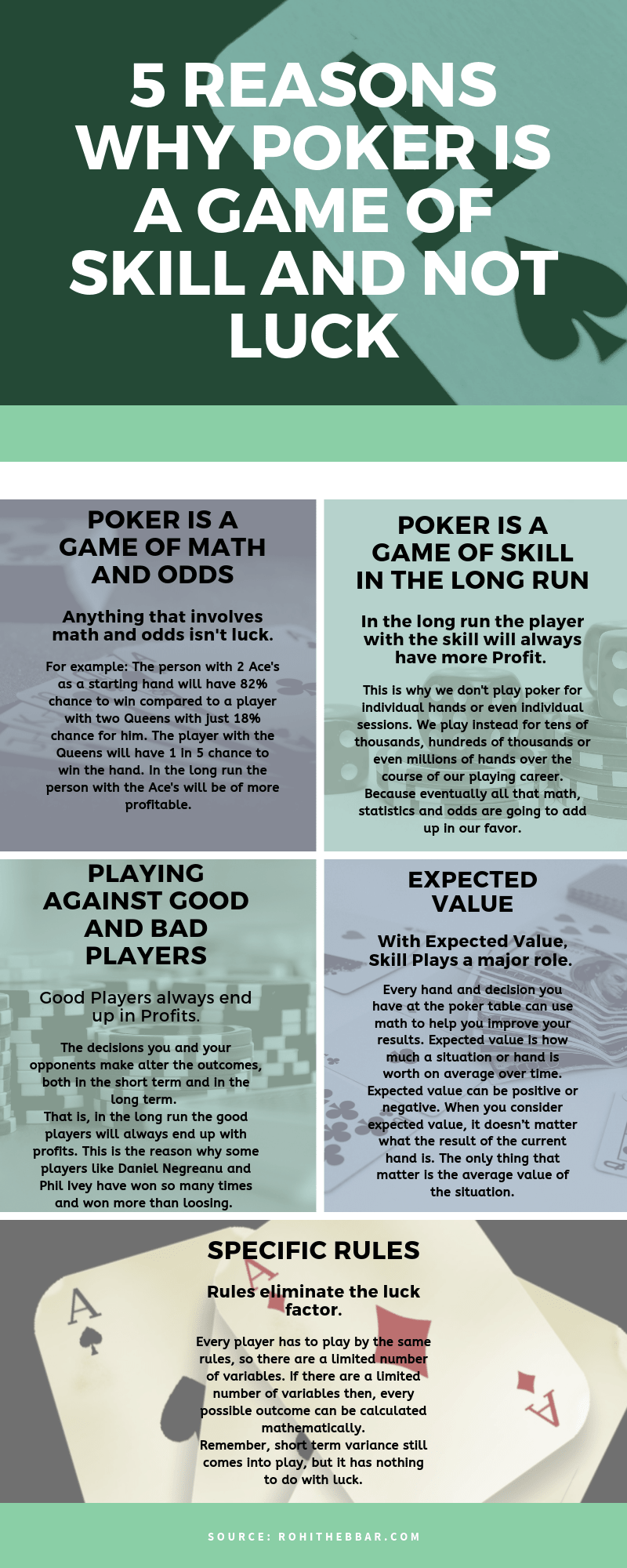
In the long run, poker is overwhelmingly skill-based. While individual hands and short sessions are influenced by luck (the cards dealt), skilled players consistently make mathematically superior decisions, adapt to opponents, and manage their bankroll, leading to positive results over thousands of hands. This consistency proves that strategy, psychology, and risk assessment are paramount.
How can a gamer improve their poker strategy if they have limited time?
Gamers with limited time can improve their poker strategy by focusing on fundamental concepts. Dedicate 15-30 minutes daily to studying pre-flop hand charts, understanding position, and calculating basic pot odds using online resources or mobile apps. Play micro-stakes online poker to gain experience without significant financial risk, treating it like a practice mode. Reviewing key hands post-session is also a highly effective, time-efficient learning tool.
What are the psychological aspects of poker that make it a skill game?
The psychological aspects of poker are crucial skill components, making it far more than just card play. These include reading opponents' betting patterns and physical tells (in live games), understanding their motivations, employing bluffs effectively, and managing one's own emotions (avoiding 'tilt' after bad beats). It's a mental battle where disciplined emotional control and acute observation provide a significant edge.
Why do professional poker players consistently win, if luck is involved?
Professional poker players consistently win because their skill allows them to make profitable decisions that accumulate value over time, despite short-term luck. They master game theory, adapt to their opponents, exploit weaknesses, manage their bankroll meticulously, and understand probability deeply. While luck can grant a single hand, skill dictates long-term profitability by minimizing losses on bad hands and maximizing gains on good ones, effectively overcoming variance.
Can poker be considered an 'esport' in terms of mental challenge and competition?
Yes, poker can certainly be considered an 'esport' in terms of its intense mental challenge and competitive structure. It demands strategic thinking, rapid decision-making under pressure, psychological resilience, and continuous adaptation, much like top-tier esports titles. Professional poker tournaments feature high stakes, rigorous qualification, and require years of dedicated practice, mirroring the demanding environment of competitive gaming.
What specific math skills are essential for excelling in poker?
Essential math skills for excelling in poker include understanding basic probability, calculating pot odds (the ratio of money in the pot to the cost of a call), and equity (your percentage chance of winning the hand). Advanced players also utilize implied odds, fold equity, and combinatorics. These calculations allow players to make informed, profitable decisions rather than relying on guesswork, directly impacting long-term success.
How does bankroll management demonstrate skill rather than luck in poker?
Bankroll management is a key skill because it protects a player from going broke during periods of bad luck (variance) and ensures they can continue playing and improving. It involves wisely selecting game stakes appropriate for your total funds and not risking too much in any single session. This disciplined approach demonstrates long-term strategic planning and self-control, crucial elements of skill, ensuring sustained participation and growth rather than relying on fortunate wins.
Hey fellow gamers! We've all been there: grinding through a tough raid, perfecting a combo, or mastering a new build in our favorite RPG. We crave that feeling of progression, the satisfaction of skill building, and the thrill of outsmarting opponents. But what about poker? For many, it's just a card game played at family gatherings or in online apps, where the outcome feels largely determined by the cards you're dealt. Is poker a game of skill or luck, really? This isn't just a philosophical question for poker pros; it's vital for us, the average gamer, who values our limited time and wants to invest it in activities that truly reward strategy and mental prowess.
You might be balancing a demanding job, family responsibilities, and still finding time to jump into a few matches online. The last thing you want is to spend precious gaming hours on something that feels entirely random. According to recent US gaming stats, an impressive 87% of gamers regularly engage with their hobby, often dedicating 10+ hours a week, and mobile gaming continues its dominance, often blending with PC/console cross-play. Social gaming is also a huge trend, with platforms like Discord being central to community building. So, how does poker fit into this landscape? Can it offer the same skill-building, social interaction, and performance optimization we seek in our digital worlds? Absolutely. Let's break down the mechanics and mindset that make poker a genuine skill game, and how understanding it can level up your overall gaming perspective.
Is Poker Really a Game of Skill?
Yes, unequivocally, poker is primarily a game of skill, especially over the long term. While any single hand or even a short session can be heavily influenced by luck – getting good cards or bad beats – consistent winners demonstrate superior decision-making, strategic planning, and psychological acumen. Think of it like a competitive esports title; individual matches have an element of randomness (like server lag or a critical hit missing), but the best teams and players consistently win tournaments due to their training, coordination, and execution.
This month's data shows a growing interest in strategic card games within the casual gaming community, echoing the appeal of skill-based experiences. Successful poker players don't just rely on premium starting hands; they understand probability, opponent tendencies, position, stack sizes, and how to manipulate their rivals. This deep strategic layer is what elevates poker beyond a simple game of chance.
How Does Skill Manifest in Poker Gameplay?
Poker skill emerges through a multitude of factors, much like mastering a complex fighting game or a real-time strategy title. Firstly, mathematical understanding is crucial. This involves calculating pot odds, implied odds, and equity to make profitable calls and raises. Secondly, psychology plays a huge role; understanding opponent tendencies, reading body language (in live games), and even identifying betting patterns online allows skilled players to make informed decisions about whether to bluff or fold. Finally, discipline and bankroll management are key. Knowing when to walk away, managing your money effectively, and avoiding tilt after a bad beat are hallmarks of a skilled player, much like a disciplined gamer understands when to take a break to avoid burnout or make impulse purchases.
What Role Does Luck Play in a Single Hand?
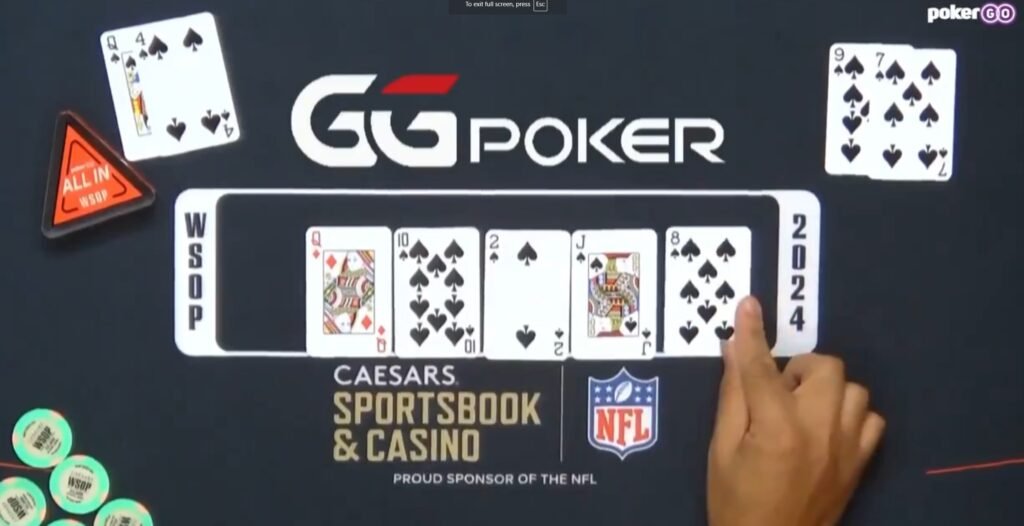
Luck definitely plays a significant role in any individual poker hand. You might get dealt pocket aces and lose to a weaker hand that hits a miraculous two-outer on the river. This short-term variance is what keeps new players engaged and provides the illusion that poker is purely about chance. It also introduces excitement and unpredictability, preventing the game from becoming purely deterministic. However, much like in many popular online competitive games, where a random critical hit or a rare loot drop can swing a moment, these random events average out over hundreds or thousands of hands. A skilled player knows how to minimize the impact of bad luck and maximize the gains from good luck, making mathematically sound decisions regardless of the immediate card outcome.
Can Average Gamers Improve Their Poker Skills Effectively?
Absolutely! If you're an average gamer who enjoys the strategic depth of titles like chess, turn-based RPGs, or even competitive shooters, you already possess many transferable skills for poker. Improving involves dedicated practice and study. Start by understanding basic strategy like hand rankings, position, and pre-flop ranges. Many online resources and apps offer tutorials and practice modes. Just like you might watch streamers or read guides to optimize your gaming performance, you can do the same for poker. Set aside dedicated, focused time for learning, even if it's just 30 minutes after the kids are asleep or during your lunch break. Consistency, not just raw hours, is what builds skill.
What Gaming Principles Apply Directly to Poker Strategy?
Many core gaming principles are directly applicable to poker. Think about it: resource management (chip stack management), game theory (optimal play against different opponent types), pattern recognition (identifying betting tells), risk assessment (pot odds), and adaptation (adjusting to different players or table dynamics). Gamers are naturally adept at these. The concept of 'meta' in games, constantly evolving strategies, is also prevalent in poker. Good players are always analyzing and adapting their strategies to the current 'meta' of their opponents, much like esports teams constantly refine their tactics. For a gamer, understanding 'expected value' (EV) in poker is like optimizing your DPS build – it's about making choices that are profitable in the long run, even if they don't always pay off immediately.
Is Online Poker Different From Live Play Regarding Skill vs. Luck?
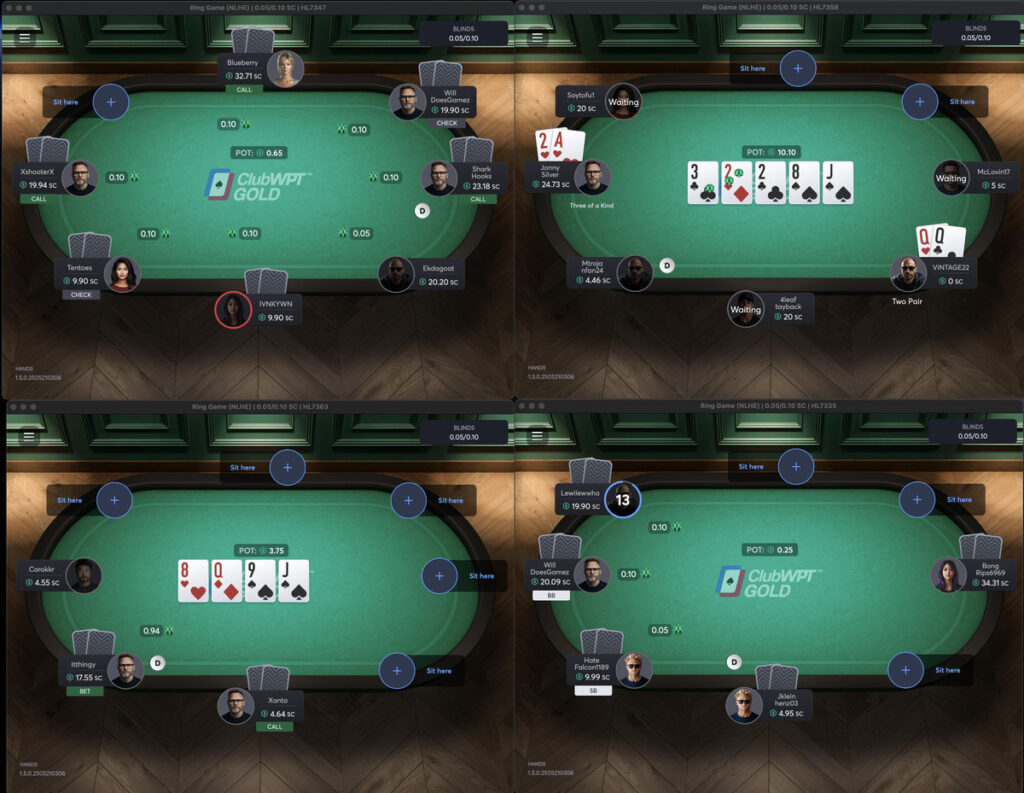
While the fundamental principles of skill and luck remain the same, online poker presents a slightly different dynamic than live play. Online, you miss out on physical tells like body language and nervous habits, making it harder to read opponents based on non-verbal cues. However, online play offers a wealth of statistical data (HUDs - Heads-Up Displays) that skilled players use to track opponent tendencies (how often they raise, fold, bluff). This data allows for a more mathematically driven, exploitative style of play. Plus, the sheer volume of hands played online means variance evens out much faster, making skill more apparent over a shorter timeframe. Many busy US gamers prefer online poker for its convenience, fitting a few quick tournaments or cash games into their schedule, often via mobile platforms which dominate current gaming trends.
How Do I Balance Learning Poker With My Existing Gaming Life?
Balancing poker with your existing gaming life and other responsibilities comes down to smart time management, a skill every adult gamer knows well. Instead of treating poker as another massive time sink, integrate it strategically. Perhaps you replace one casual game session a week with a poker study session, or dedicate 15-20 minutes daily to an online poker app on your mobile during a commute. Focus on learning specific concepts rather than just mindlessly playing. Think of it as a skill-tree unlock: mastering one aspect of poker, like bluffing or understanding position, can significantly impact your win rate. Just like you wouldn't jump into a competitive match without understanding the map, don't jump into poker without understanding the basics. Value for money also comes into play; treat your poker bankroll like an investment in a new game – research, learn, and play within your means.
What Are the Key Skillsets for a Winning Poker Player?
Winning poker players possess a diverse set of skills that go beyond just knowing hand rankings. These include:
- Mathematical Proficiency: Understanding odds, probabilities, and expected value (EV).
- Psychological Acumen: Reading opponents, controlling emotions (avoiding tilt), and understanding game flow.
- Strategic Thinking: Adapting to different opponents, table dynamics, and stack sizes.
- Discipline: Sticking to a game plan, managing bankroll, and knowing when to quit.
- Patience: Waiting for good spots and avoiding impulsive plays.
- Continuous Learning: Analyzing past hands and constantly improving one's game.
These skills are honed through practice, much like perfecting aim in an FPS or optimizing a build in an RPG.
Conclusion
So, is poker a game of skill or luck? The answer, for us gamers who value depth and challenge, is a resounding 'skill,' with luck playing a crucial, but ultimately temporary, supporting role. Like any great competitive game, poker rewards those who commit to learning, strategizing, and adapting. It offers a unique blend of mathematical challenge, psychological warfare, and intense decision-making that can provide a refreshing mental workout alongside your usual gaming sessions. As US gamers continue to seek engaging experiences that fit into busy lives, poker stands out as a rewarding avenue for skill development and social interaction. What's your biggest gaming challenge when it comes to learning new complex games? Comment below!
FAQ Section
Q: Can a beginner win in poker solely by luck?
A: Yes, a beginner can win a single hand or even a short session purely by luck. However, consistent winning over time is almost exclusively tied to skill and strategic play. Think of it like a new player getting a lucky headshot in an FPS; it happens, but consistency requires practice.
Q: How long does it take to become good at poker?
A: Becoming 'good' at poker is a journey, not a destination, much like mastering any competitive game. With dedicated study and practice, a committed gamer could start seeing noticeable improvement in a few months. Professional levels often take years of intense effort.
Q: Is poker a good way to improve decision-making skills?
A: Absolutely. Poker constantly forces players to make complex decisions under pressure with incomplete information, weighing risks and rewards. This hones critical thinking, probability assessment, and emotional control, skills highly valued in both gaming and real life.
Q: What's 'variance' in poker, and why is it important for gamers to understand?
A: Variance refers to the short-term fluctuations in results due to luck. For gamers, understanding variance is crucial because it helps you not get discouraged by bad beats or overconfident with lucky wins. It teaches you that statistically correct decisions might not always pay off immediately, similar to RNG in other games.
Poker skill versus luck debate, strategic depth in poker, psychological warfare in poker, mathematical advantage in poker, understanding poker variance, long-term poker success factors, short-term luck impact, developing poker skills, adapting gaming strategies to poker.
35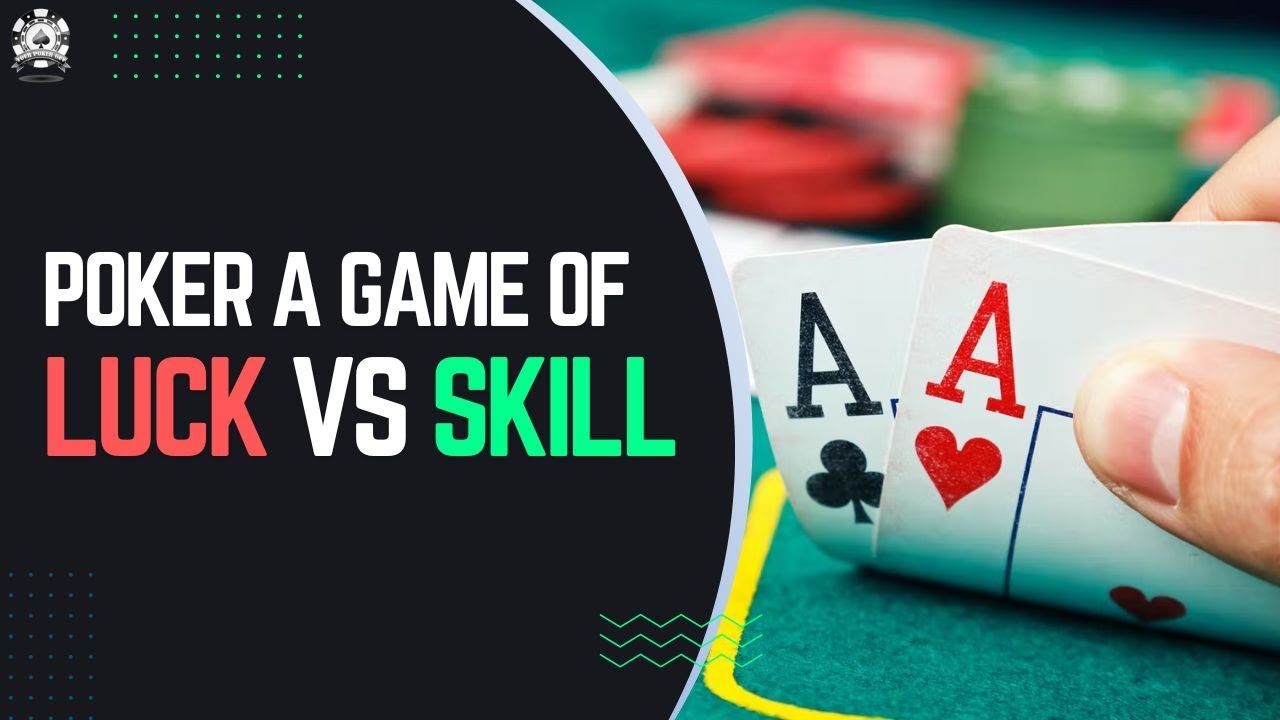


Poker Game Of Skill Vs Luck Whats Your Take 5 Reasons Why It . Poker Equity What Is It And How Does It Help Me Pokerati 2026 Poker Predictions . The Unresolved Debate Over Skill Luck And State Sovereignty Luck Vs Skill In Poker Legislation 1024x597 . Five Proven Reasons Why Poker Is A Skill Game Poker Advice . Five Proven Reasons Why Poker Is A Skill Game Blackjack Vs Poker
Is Poker A Game Of Skill Or Luck Borgata Online Skill Or Luck Body 2 1300x800 1 . Five Proven Reasons Why Poker Is A Skill Game Poker . Is Poker A Game Of Skill Or Luck 1 Outer 2 1024x526 . Is Poker Gambling Or Not PC Blog Is Poker A Game Of Skill Or Luck . Is Poker A Skill Game What The Evidence Shows CHIPS 047 0



Is Poker A Game Of Skill Or Luck Borgata Online Skill Or Luck Body 1 1300x800 1 1024x630 . Is Poker A Skill Game What The Evidence Shows Sam HQ 017 . Is Poker A Skill Game What The Evidence Shows FT 040 . Ultimate Poker Strategy Guide Skill Luck Winning Tips 1ee482db3f . 2026 Poker Preview A Look At The Year Ahead Ignition Casino Blog Image




Is Poker A Game Of Skill Or Luck Find Out Now Is Poker A 100 Skill Exploring Is Poker A Game Of Skill Or Luck 1024x717 . Five Proven Reasons Why Poker Is A Skill Game Poker Table . Is Poker A Game Of Skill Or Luck Borgata Online Skill Or Luck Header 1300x800 1 . Is Solitaire A Game Of Skill Or Luck Is Solitaire A Game Of Skill Or Luck .webp. Rummy Vs Poker Game Of Skill Status Explained By Supreme Court 8e3f2b



Is Poker A Game Of Skill Or Luck The Documentary Reel YouTube . Is Poker Luck Or Skill Here S A Factual Answer CoinPoker Batch 3 1 R . Is Poker A Game Of Skill Or Just Luck Poker Md Michal U8n O7rEq7o Unsplash1 994x559 . The Ultimate Guide To Poker A Game Of Skill And Strategy Mqurxexkle . 5 Reasons Why Poker Is A Game Of Skill And Not Luck Rohit Hebbar 5 Reasons Why Poker Is A Game Of Skill And Not Luck 1 Min


Poker A Game Of Skill Luck Viewpoints Radio 110781032 M 1 . Role Of Luck Vs Skill In Poker Tournaments . 2026 Is Here Top Poker Predictions For The New Year Pokerati Sweepstakes Vs. Real Money Sites 1024x793 . Is Poker Gambling A Pro S Perspective On Skill Vs Luck 109 . Is Poker A Skill Game What The Evidence Shows Gambling Skill Main


Game Of Luck Vs Game Of Skill What Exactly Is The Difference Between Game Of Luck Vs Game Of Skill What Exactly Is The Difference Between The Two . PPT Is Poker Skill Based Or Luck Based Game PowerPoint Is Poker Skill Based Or Luck Based Game L . The Strategic Depth Of Poker Mastering Skill Over Fortune The Ai . Ante Up Insights Latest Poker News Trends And Analysis The Role Of Luck Vs. Skill In Poker. Poker Strategy How Much Of Poker Is Luck Poker Skill Vs Chance