Are you concerned about your gaming PC electricity bill shock? Many gamers wonder if their high-performance setups are draining their wallets. Understanding gaming PC power consumption is crucial for budget-conscious players. Modern gaming rigs, packed with powerful GPUs and CPUs, naturally demand significant energy. This article navigates the complexities of PC power usage, offering insights into how much electricity your gaming setup truly consumes. We will explore ways to identify the biggest energy culprits and provide practical strategies to reduce your monthly electricity costs without sacrificing your gaming experience. Discover trending energy-efficient gaming solutions and learn how to optimize your rig for sustainable and affordable play in the United States.
- How much electricity does a high-end gaming PC use per hour? - A high-end gaming PC can typically consume between 400 to 800 watts per hour during active gameplay. This figure largely depends on the specific GPU and CPU models, as well as the intensity of the game. For example, a powerful RTX 4090 system might draw closer to the higher end, impacting your gaming PC electricity cost significantly.
- What is the average daily cost of running a gaming PC in the US? - The average daily cost of running a gaming PC in the US can range from approximately $0.50 to $2.00 or more, based on usage hours, power consumption (e.g., 500W for 4 hours is 2 kWh), and local electricity rates. This translates to a notable portion of your monthly utility bill.
- Does upgrading to an SSD reduce my gaming PC electricity consumption? - Upgrading to an SSD (Solid State Drive) can marginally reduce your gaming PC electricity consumption compared to a traditional HDD. SSDs use less power during operation and idle, contributing to slightly lower overall energy draw. However, the impact on your total gaming PC electricity cost is minimal compared to optimizing your GPU or CPU usage.
- Are energy-efficient gaming PCs less powerful? - Not necessarily. Modern technology allows for significant performance gains with improved energy efficiency. An energy-efficient gaming PC often uses newer, optimized components that deliver excellent performance while consuming less power. It's about smart component selection rather than sacrificing power, aiming for a better performance-per-watt ratio.
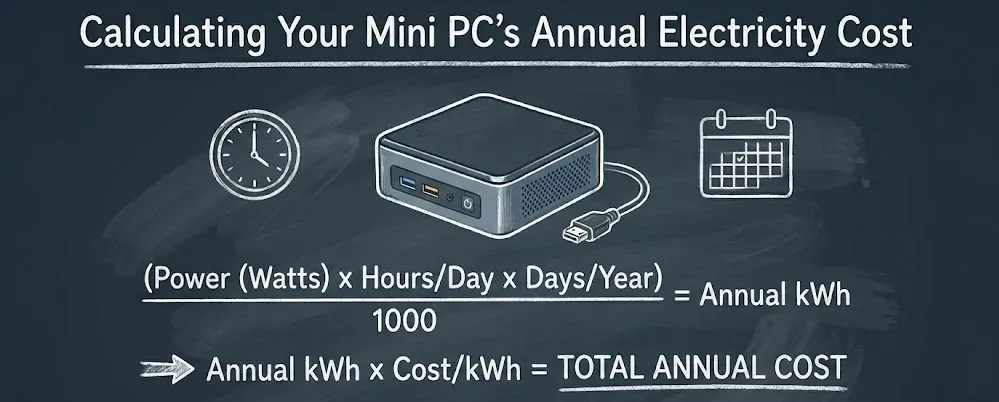
- How can I calculate my gaming PC electricity bill? - To calculate your gaming PC electricity bill, first determine your PC's average power consumption in watts (e.g., 500W). Multiply this by the hours it's used daily, then by 30 for monthly usage in watt-hours. Divide by 1000 to get kilowatt-hours (kWh) and multiply by your electricity rate per kWh. This gives you your estimated gaming PC electricity cost.
- What role does a power supply unit (PSU) play in electricity usage? - A power supply unit (PSU) converts AC power from the wall into DC power for your PC components. Its efficiency rating (e.g., 80 Plus Gold, Platinum) indicates how much power is lost as heat during this conversion. A higher efficiency PSU wastes less electricity, directly reducing your gaming PC electricity cost by delivering more usable power with less waste.
- Do gaming laptops use less electricity than desktop PCs? - Generally, gaming laptops use less electricity than desktop PCs. They are designed with power efficiency in mind, using mobile versions of components that draw less power and are often limited by battery life. While a powerful gaming laptop can still be energy-intensive, its overall consumption is typically lower than a comparable high-end gaming desktop, impacting your gaming PC electricity cost differently.
Q: How much power does an average gaming PC use?
A: An average gaming PC can consume between 300 to 800 watts per hour, depending on the components and workload. High-end graphics cards and processors are the primary drivers of this power consumption. This translates to a significant portion of your home's total electricity usage, especially during extended gaming sessions, impacting your monthly utility expenses. Monitoring this can help manage your gaming PC electricity cost.
Q: What components contribute most to a gaming PC's electricity bill?
A: The graphics processing unit (GPU) is typically the most power-hungry component in a gaming PC, followed by the central processing unit (CPU). Other components like the power supply unit (PSU) efficiency, cooling fans, and connected monitors also add to the overall electricity consumption. Optimizing these can lead to significant savings on your gaming PC electricity cost.
Q: Are newer gaming PCs more energy efficient than older models?
A: Generally, yes. Newer generations of GPUs and CPUs often deliver better performance per watt compared to older models. While they might still have high peak power draws, their idle efficiency and overall power optimization have improved. Upgrading can sometimes lead to a more energy-efficient system, reducing your long-term gaming PC electricity cost despite the initial investment.
Q: How can I reduce my gaming PC's electricity consumption?
A: To reduce your gaming PC's electricity consumption, optimize your operating system's power settings and utilize GPU driver features to cap frame rates or power limits. Consider upgrading to an 80 Plus Gold or Platinum rated power supply for better efficiency. Regularly turning off your PC or putting it to sleep when not in use also significantly contributes to lowering your overall gaming PC electricity cost.
Q: Does playing less demanding games save electricity?
A: Yes, playing less demanding games generally uses less electricity. When your GPU and CPU are not under full load, they draw significantly less power. This means playing older titles, indie games, or setting lower graphical details in modern games can reduce your gaming PC's electricity consumption compared to running the latest AAA blockbusters at ultra settings. This is a simple way to manage your gaming PC electricity cost.
5 Click-Worthy Titles: 1. Gaming PC Electricity Cost: A Deep Dive for Smart Gamers 2. Reduce Your Gaming PC Electricity Bill: Proven Strategies 3. Is Your Gaming PC Eating Your Budget? Uncover Power Costs 4. Energy-Efficient Gaming PC: Build & Save on Electricity 5. The Ultimate Guide to Gaming PC Power Consumption & Savings SEO Meta Description: Concerned about gaming PC electricity cost? Discover proven strategies to reduce your power consumption and save money on your bill without sacrificing performance. Learn how in our expert guide! Recommended URL Slug: gaming-pc-electricity-cost-guideAre you one of the many gamers asking, "Does my gaming PC use a lot of electricity?" This question has become increasingly common as high-performance gaming rigs push the boundaries of processing power. It is a valid concern for anyone looking to manage their household expenses effectively. Today's cutting-edge graphics cards and processors offer incredible immersive experiences. However, they also demand significant energy, potentially leading to a noticeable increase in your monthly electricity bill. Understanding this balance between performance and power consumption is key for every savvy gamer.
Many players often overlook the ongoing operational cost of their powerful machines. They focus primarily on the initial purchase price of components. Yet, the electricity required to power these beasts for hours can accumulate substantially over time. Imagine spending countless hours exploring virtual worlds or competing in intense online battles. Each moment contributes to your home's overall energy footprint and, consequently, to your utility statement. Let us dive into how much energy these systems truly consume.
Understanding Gaming PC Power Consumption
Gaming PCs are designed for peak performance, which inherently means higher power draw compared to standard office computers. The heart of any gaming rig, the graphics processing unit (GPU), is often the most power-hungry component. High-end GPUs from leading manufacturers can easily consume hundreds of watts on their own during demanding gameplay. Coupled with powerful multi-core CPUs, multiple cooling fans, RGB lighting, and high-refresh-rate monitors, the total system power draw can be substantial. An average gaming PC might draw anywhere from 300 to 800 watts under full load. This figure can vary dramatically based on component choices.
Key Components and Their Energy Demands
- Graphics Card (GPU): This is typically the biggest power consumer. A top-tier GPU can use 250-450W alone.
- Central Processing Unit (CPU): Modern CPUs are efficient but still draw significant power, usually 65-150W.
- Power Supply Unit (PSU): The PSU delivers power and its efficiency rating (e.g., 80 Plus Gold) impacts energy waste.
- Monitors: High-resolution, high-refresh-rate gaming monitors also contribute to overall power usage.
- Peripherals and Lighting: Keyboards, mice, and extensive RGB lighting add minor but cumulative power needs.
By 2026, advancements in silicon technology continue to push performance boundaries while also striving for greater efficiency. However, the pursuit of photorealistic graphics and ultra-smooth frame rates still necessitates robust power delivery. The gaming PC electricity cost remains a significant factor for many households. Gamers are increasingly seeking ways to optimize their setups. They want to reduce their environmental impact and save money. Identifying which components are most impactful helps prioritize upgrade or adjustment strategies.
Strategies to Reduce Your Gaming PC Electricity Bill
Thankfully, there are several effective strategies you can implement to lower your gaming PC electricity bill without compromising your gaming experience. These methods range from simple software adjustments to hardware upgrades. Each step contributes to a more energy-efficient and cost-effective gaming setup. Implementing these tips can lead to noticeable savings over time. It makes your hobby more sustainable.
Optimize Power Settings
Start with your operating system's power management options. Setting your PC to 'Balanced' or 'Power Saver' when not gaming can significantly reduce idle consumption. For gaming sessions, ensure your GPU drivers are up-to-date. Many graphics card control panels offer power management profiles. These profiles allow you to cap frame rates or power limits. This can drastically cut energy usage in games where maximum performance is not strictly necessary. Even slight adjustments here can yield good results over consistent play.
Hardware Upgrades for Efficiency
Consider upgrading to more energy-efficient components if your budget allows. Newer generations of GPUs and CPUs often deliver better performance per watt. For instance, upgrading an older, less efficient GPU to a current-generation equivalent might offer similar or better performance with lower power draw. Investing in an 80 Plus Gold or Platinum rated power supply unit is also wise. These PSUs waste less electricity as heat, transferring more usable power to your components. This small change can make a difference.
Monitor Your Energy Usage
To truly understand your gaming PC electricity cost, consider using a smart power plug or a dedicated power meter. These devices can show you real-time power consumption and even track usage over time. This data empowers you to see the direct impact of your optimization efforts. It helps you identify peak usage times and adjust your habits accordingly. Knowledge is power, especially when it comes to electricity bills.
What Others Are Asking?
How much electricity does a gaming PC use per hour?
A typical gaming PC can consume between 300 to 800 watts per hour during active gameplay. This translates to about 0.3 to 0.8 kilowatt-hours (kWh). The exact amount depends heavily on the specific components, such as the GPU and CPU, and the intensity of the game being played. Modern, high-performance systems tend to be on the higher end of this range, impacting your gaming PC electricity cost.
Can I make my gaming PC more energy efficient?
Absolutely, you can make your gaming PC more energy efficient. Strategies include optimizing power settings in your operating system and GPU drivers, upgrading to newer, more efficient hardware like high-rated PSUs or modern GPUs. Additionally, implementing frame rate caps and actively monitoring your power consumption with smart plugs can significantly reduce your electricity usage. These adjustments lead to noticeable savings.
Is an 80 Plus Platinum PSU worth it for saving electricity?
An 80 Plus Platinum rated PSU is highly efficient, converting a greater percentage of AC power to DC power for your components, thus wasting less as heat. While the initial cost is higher, it can lead to long-term savings on your gaming PC electricity bill, especially if your PC runs for many hours daily. For dedicated gamers, the investment often pays off over time due to reduced power loss.
What is the biggest electricity consumer in a gaming PC?
The graphics processing unit (GPU) is almost always the biggest electricity consumer in a gaming PC. High-end GPUs are designed to handle complex graphical computations and require substantial power to do so. During intense gaming sessions, the GPU can account for well over half of the entire system's power draw, making it the primary driver of your gaming PC's electricity consumption.
How much does it cost to run a gaming PC all day?
The cost to run a gaming PC all day depends on its power consumption and your local electricity rates. Assuming an average consumption of 500 watts (0.5 kWh) and a national average electricity rate of $0.16 per kWh, running a PC for 24 hours would cost approximately $1.92 per day. This totals around $57.60 per month, impacting your gaming PC electricity cost significantly.
Final Thoughts on Gaming PC Electricity Consumption
Understanding and managing your gaming PC electricity cost is becoming increasingly vital for gamers in the United States. With powerful hardware offering unparalleled experiences, it is natural for power consumption to be a concern. By implementing smart power management, considering efficient upgrades, and actively monitoring your usage, you can significantly reduce your electricity bill. This ensures your high-performance gaming rig remains a source of entertainment, not a financial burden. Does knowing your PC's power habits change how you game, or will performance always be your top priority?
Gaming PC electricity cost, PC power usage, reduce electricity bill gaming, energy efficient gaming builds, high performance PC energy, gaming setup power draw, gaming rig watts, PC energy consumption tips, optimizing power settings, upgrading for efficiency, monitoring energy use.
35



Do Computer Use A Lot Of Electricity At Eileen Towner Blog How Much Electricity Blog Feature Image Facebook Text . Ultimate Guide To Energy Efficient Gaming How Much Electricity Does A PC Use 300x300 . Does My Pc Use A Lot Of Electricity At Milla Hawthorn Blog How Much Energy Does A Gaming PC Use . Does A Gaming Computer Use A Lot Of Electricity At Clinton Long Blog How Much Energy Do Gaming Computers Use . How Much Electricity Does A Gaming Pc Use BPC Technology Dalle VIYWX


Gaming Pc Electricity Consumption GWGK PC Electricity BlogSquare 1024x1024 .webp. The Impact Of PC Gaming Energy Consumption Infographic UK Blog Feature Image Bottom Text Blog TextTwitter 1 1024x576 . How Much Electricity Does A Computer Use Desktop Vs. Laptop Vs Desktop Vs. Laptop Vs. Gaming PC.webp. Ultimate Guide To Energy Efficient Gaming Best Energy Efficient PC And Access 300x300 . How To Save Electricity Gaming Pc At Jean Begaye Blog How Much Electricity Does A PC Use Blank UK Blog Feature Image Bottom Text Blog TextTwitter 1536x864


Why Cloud Gaming Uses Less Power Than Local Gaming PCs How Cloud Gaming Changes The Power Equation 1024x576 . Ultimate Guide To Energy Efficient Gaming Build An Energy Efficient PC 1024x1024 . Building An Energy Efficient Gaming PC UK Energy Efficient Pc Square 1024x1024 . How Much Power Does A Gaming Pc Use BPC Technology Dalle LS353 . How Many Watts Does A Gaming PC Use Quick Facts 2024 How Much Energy Does Gaming Computers Use


Video Games Consume More Electricity Than 25 Power Plants Can Produce Screenshot 181127 13 47001 . The Big Surprise In Home Energy Consumption Gaming PCs Gamer Computer Use 580 264 . Gaming PC Electricity Usage In India Monthly Power Cost Guide 2025 Image 11 . How Much Electricity Does A Mini PC Use Do Mini PCs Use A Lot Of Ooo 768x381 . How Much Electricity Does A Mini PC Use Do Mini PCs Use A Lot Of Screenshot 14 300x146


Does A Gaming Computer Use A Lot Of Electricity At Clinton Long Blog How Much Electricity Does A Gaming Computer Use . How Much Electricity Does A Gaming PC Use Archute How Much Electricity Does A Gaming PC Use . Gaming PC Electricity Usage In India Monthly Power Cost Guide 2025 Your Paragraph Text 6 . Gaming Smart In South Africa Electricity Costs Shape Gaming Pc Trends In South Africa.webp. Do Computers Cost A Lot Of Electricity Adcod Com Do Computers Cost A Lot Of Electricity


How Much Electricity Does A Mini PC Use Do Mini PCs Use A Lot Of Screenshot 5 13 . How Much Electricity Does A Gaming PC Use Gaming Pc Power Consumption 1200x675 1. Do Gaming PCs Use A Lot Of Electricity YouTube . Do Gaming Computers Use A Lot Of Electricity Trendsbeat Do Gaming Computers Use A Lot Of Electricity Feature Image Template. How Much Electricity Do Gamers Use Annually Can We Put A Number On Screenshot 2023 11 25 At 3.35.57 Pm

How Many Amps Watts Does A Gaming PC Use How Much Electricity Does A Image 1 1536x497 . How Many Amps Watts Does A Gaming PC Use How Much Electricity Does A Image 1 . How Much Electricity Do Gamers Use Annually Can We Put A Number On Screenshot 2023 11 27 At 10.05.22 Am . How Many Amps Watts Does A Gaming PC Use How Much Electricity Does A Image 1 1024x332 . Plug In And Play How Much Power Does A Gaming PC Use Modern Gamer How Much Power Does A Gaming PC Use