Explore the definitive map of North American Grasslands, a comprehensive guide tailored for U.S. searchers seeking detailed information on these vital ecosystems. This in-depth resource clarifies the extent, characteristics, and significance of prairies across the United States and North America. Discover where the Great Plains truly stretch, identify distinct tallgrass, shortgrass, and mixed-grass prairie regions, and grasp their ecological importance. Our guide answers common questions like where are the biggest grasslands in the US or what animals live in North American grasslands. Learn about current conservation initiatives and how you can engage. Whether you are planning an educational trip, researching ecological projects, or simply curious about Americas natural landscapes, this guide provides actionable insights and navigational clarity. Understand the challenges facing these irreplaceable habitats and locate specific regions on an interactive overview, empowering you to explore further and make informed decisions about supporting their future. Find resources for exploring state parks and national grasslands near you, enhancing your understanding of these crucial environmental assets.
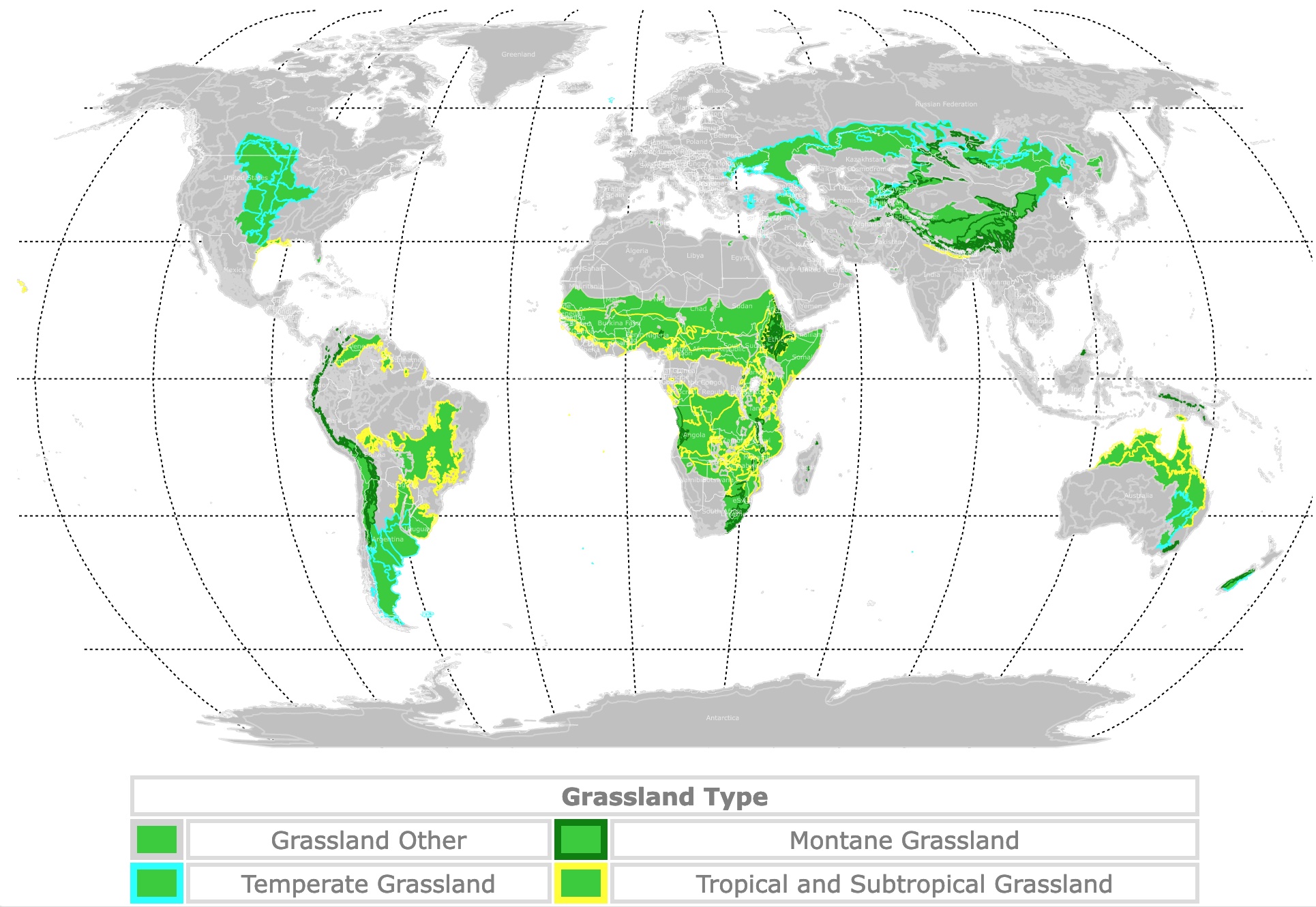
- Where are the North American grasslands primarily located? - North American grasslands, primarily prairies, span the central regions of the United States, stretching from the Rocky Mountains eastward to the Midwest and extending into Canada and Mexico. They cover states like Kansas, Nebraska, the Dakotas, Texas, and Oklahoma, forming the vast Great Plains area.
- What is the difference between tallgrass and shortgrass prairies? - Tallgrass prairies receive more rainfall and feature grasses growing over six feet, thriving in fertile eastern soils. Shortgrass steppes, found in drier western areas, have grasses typically under two feet tall, adapted to arid conditions. Mixed-grass prairies are transitional, blending both types.
- Why is the Great Plains region important for biodiversity? - The Great Plains are critical for biodiversity, supporting unique wildlife like American bison, prairie dogs, and numerous migratory bird species. Their diverse plant communities create complex habitats. They also act as vital corridors for animal movement and genetic exchange across the continent.
- Can I visit North American grasslands or national prairies? - Yes, many North American grasslands are accessible to the public through national parks, national grasslands, state parks, and preserves. Examples include Tallgrass Prairie National Preserve in Kansas, Grasslands National Park in Canada, and Nebraska National Forests & Grasslands, offering opportunities for hiking, wildlife viewing, and education.
- What threats do North American grasslands face today? - North American grasslands face severe threats including agricultural conversion, urban development, habitat fragmentation, and climate change. These pressures lead to loss of biodiversity, soil degradation, and disruption of ecological processes, making conservation efforts increasingly urgent to protect these vital ecosystems.
- How do grasslands help combat climate change? - Grasslands are effective in combating climate change primarily through carbon sequestration. Their deep, extensive root systems store large amounts of carbon in the soil, preventing its release into the atmosphere. Intact grasslands act as significant carbon sinks, making them crucial for mitigating global warming.
- What is the role of fire in North American grassland ecosystems? - Fire is a natural and essential disturbance in North American grassland ecosystems. It helps prevent tree encroachment, promotes the growth of native grasses and wildflowers, and cycles nutrients back into the soil. Controlled burns are often used in conservation management to maintain grassland health and biodiversity.
What are the main types of grasslands in North America?
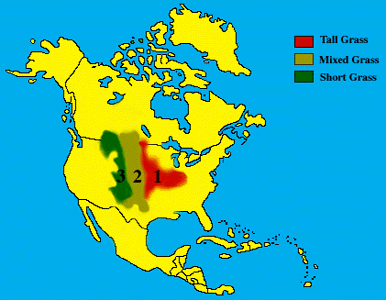
North America's grasslands primarily consist of three types: tallgrass prairies, found in wetter eastern regions; shortgrass steppes, located in arid western areas; and mixed-grass prairies, which form a transitional zone between the two. Each type supports unique plant and animal communities adapted to varying rainfall and environmental conditions across the continent.
Where are the Great Plains located on a map of North America?
The Great Plains are a vast expanse of grasslands centrally located in North America. They stretch across the midwestern United States, from the Rocky Mountains in the west to the Central Lowlands in the east, and extend northward into Canada. Key U.S. states within this region include Kansas, Nebraska, the Dakotas, Oklahoma, and Texas.
Why are North American grasslands important for the environment?
North American grasslands are vital because they support immense biodiversity, including crucial habitats for wildlife like bison and migratory birds. They also play a significant role in carbon sequestration, helping to combat climate change, and improve soil health. These ecosystems are essential for water filtration, erosion control, and overall planetary ecological balance.
What animals live in the North American grasslands?
A diverse array of animals calls North American grasslands home. Iconic species include the American bison, prairie dogs, and various deer and antelope species like pronghorn. Many bird species, such as meadowlarks, hawks, and critically endangered whooping cranes, also rely on these habitats. Various insects, reptiles, and amphibians thrive here too.
How much of the original North American tallgrass prairie remains?
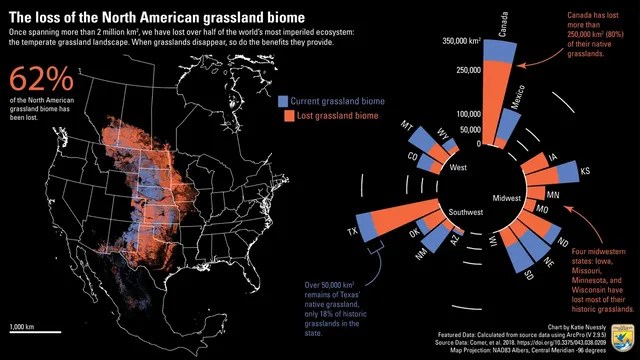
Tragically, less than four percent of the original North American tallgrass prairie remains today. Extensive conversion for agriculture, urban development, and other land uses has dramatically reduced these once-vast ecosystems. The remaining fragments are crucial for conservation efforts, representing vital ecological refuges and historical landscapes.
What is the biggest grassland in the US?
The biggest grassland in the contiguous United States is the Nebraska Sandhills. This massive mixed-grass prairie region covers over 19,000 square miles in north-central Nebraska. It is one of the largest intact grassland ecosystems in North America, vital for biodiversity, ranching, and its unique hydrological features.
Navigating the Vast North American Grasslands: An Essential GuideNorth America is home to expansive grasslands, often referred to as prairies, which play a crucial role in the continent's ecology and history. These biodiverse regions stretch across the central parts of the United States, Canada, and Mexico, supporting a remarkable array of plant and animal life. Understanding their geography and characteristics is key to appreciating their significance.
This guide offers a clear, actionable overview of the North American grasslands, helping you locate key areas, learn about their unique features, and understand why they are so vital. Whether you are an educator, a nature enthusiast, or someone interested in environmental preservation, this information will help you explore these incredible landscapes.
We aim to provide a practical resource, mapping out the primary grassland types and discussing their ecological importance. From the rolling tallgrass prairies to the arid shortgrass steppes, you will discover the diversity and grandeur of these natural spaces, enabling you to better connect with and potentially support their future.
Understanding the North American Grassland Ecosystem
What Defines a Grassland Ecosystem?
A grassland ecosystem is primarily dominated by grasses and other herbaceous plants, with few or no trees or shrubs. These areas typically receive enough rainfall to support grasses but not enough to sustain large forests. North American grasslands are characterized by their vast open spaces and distinctive flora and fauna.
These ecosystems are vital for many reasons. They support a high level of biodiversity, including iconic species like bison, prairie dogs, and numerous bird species. Grasslands also play a critical role in carbon sequestration, soil health, and water filtration, acting as natural sponges for rainfall and helping to prevent erosion.
The climate in these regions often features hot summers and cold winters, with seasonal precipitation patterns that favor grass growth. This creates a unique environment where specialized species have evolved to thrive, making North American grasslands a fascinating subject for ecological study and conservation.
Key Grassland Regions Across the United States
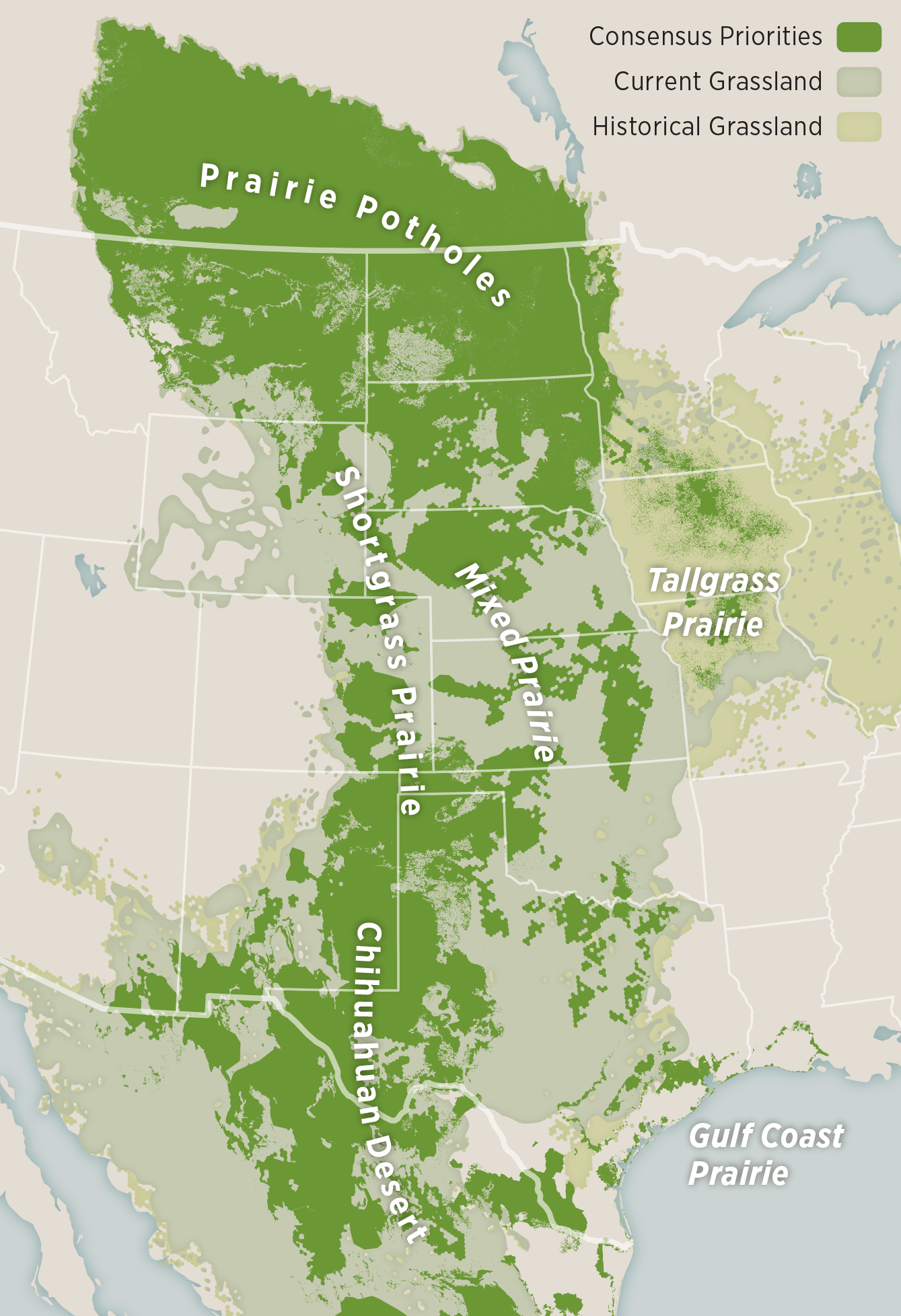
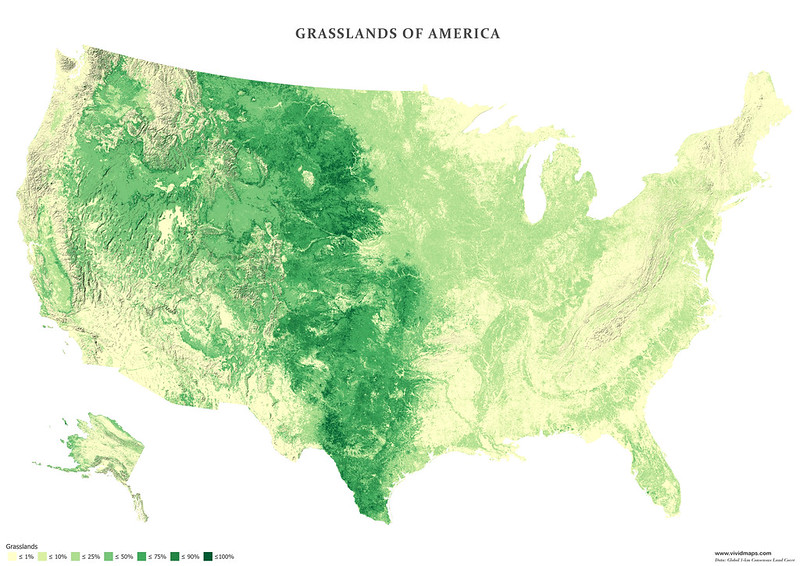
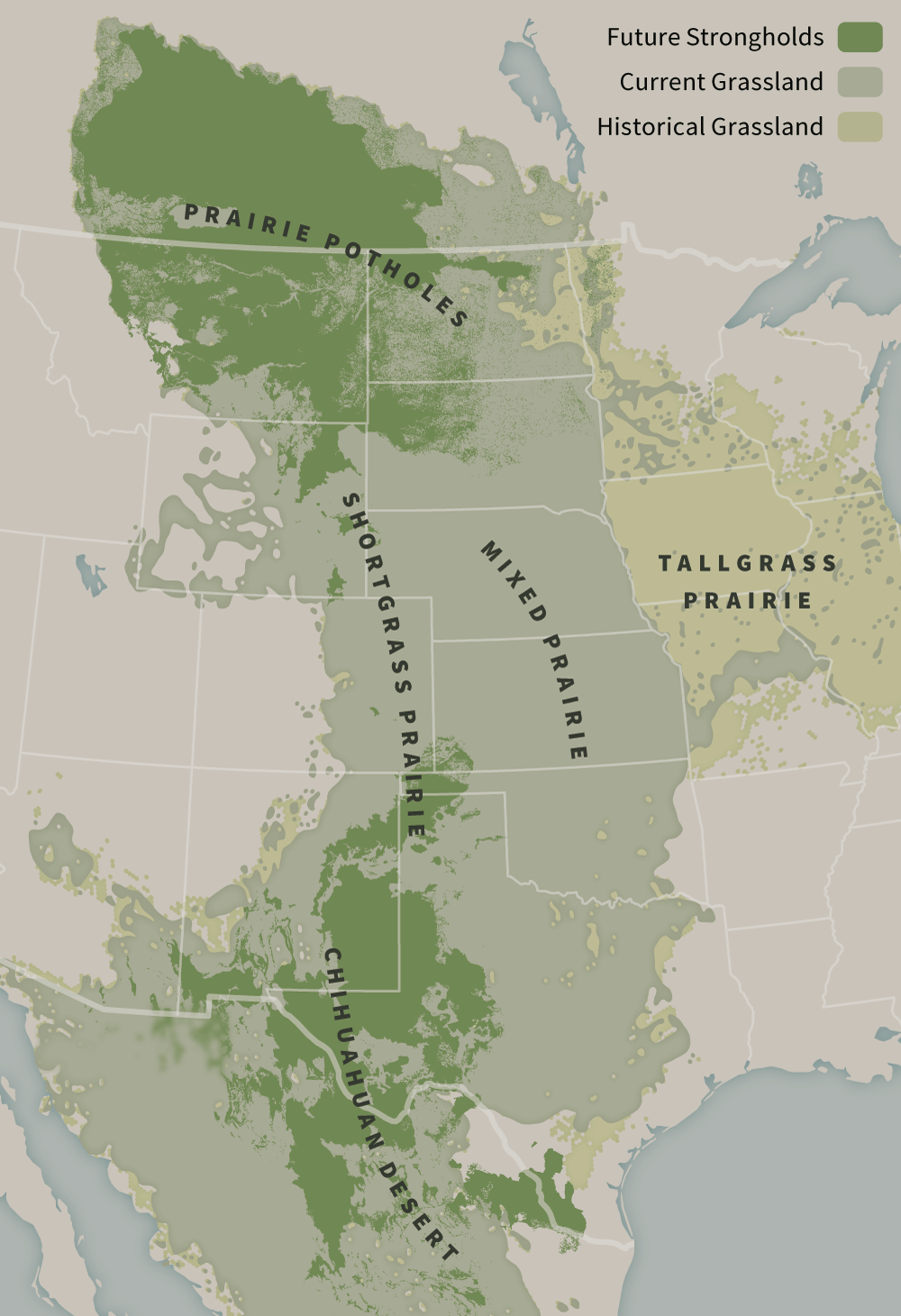
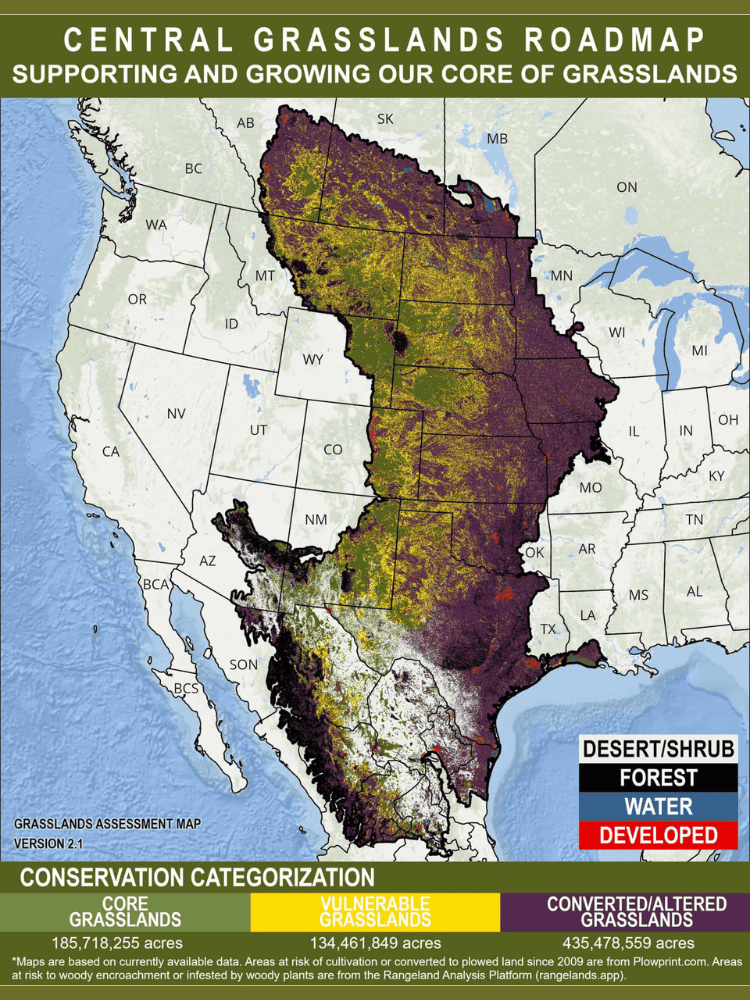
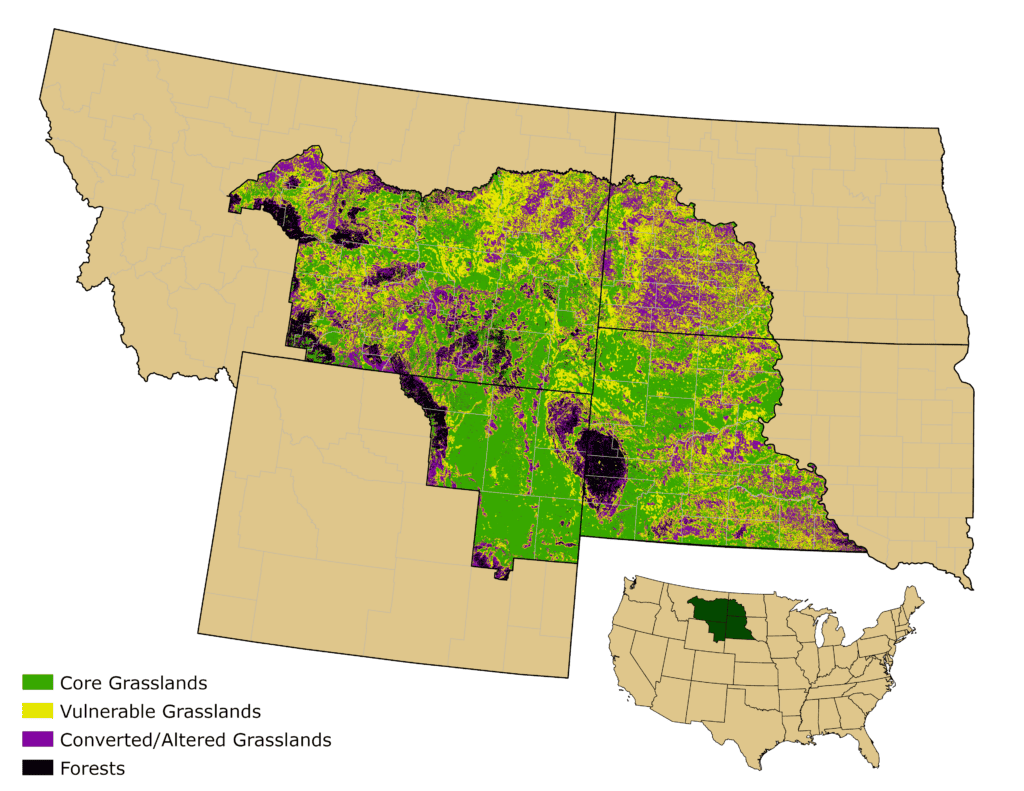
The United States encompasses significant portions of the North American grasslands, most notably the Great Plains. This immense area covers parts of over a dozen states, from North Dakota and Montana in the north down to Texas and New Mexico in the south. These prairies are not uniform; they exhibit distinct regional variations.
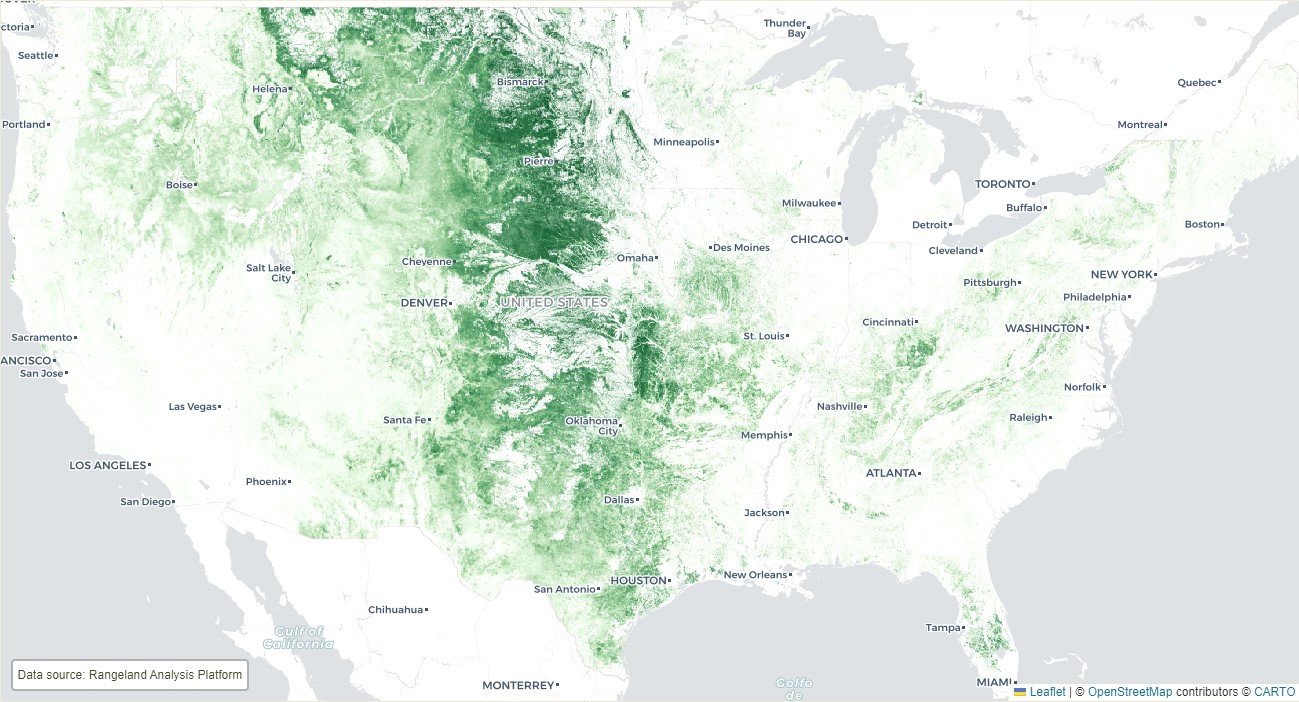
Major regions include the Flint Hills of Kansas and Oklahoma, known for their intact tallgrass prairies, and the Nebraska Sandhills, a vast mixed-grass region. Further west, the shortgrass steppes dominate states like Colorado and Wyoming. Each region has specific characteristics influenced by rainfall, soil type, and topography.
Identifying these key regions on a map helps in understanding their unique ecological functions and the specific conservation challenges each faces. Exploring these diverse areas provides a richer perspective on the continent's natural heritage and the ongoing efforts to preserve these crucial habitats.
Mapping the Major Grassland Types
Tallgrass Prairies: Where to Find Them and Why They Matter
Tallgrass prairies once covered vast areas of the central United States, characterized by grasses that could grow over six feet tall, such as big bluestem and switchgrass. These highly productive ecosystems thrived in areas with rich soils and ample rainfall, making them incredibly fertile for agriculture. Today, only a small fraction of original tallgrass prairies remains.
Key areas where you can still find significant remnants of tallgrass prairie include the Flint Hills of eastern Kansas and Oklahoma, portions of the Tallgrass Prairie National Preserve, and some protected areas in Iowa, Illinois, and Missouri. These remaining patches are critical for biodiversity and ecological research, acting as vital refuges for many species.
These prairies are important because they represent a unique American ecosystem, supporting a wide array of wildlife and providing essential ecosystem services like water purification and soil formation. Conservation efforts in these areas focus on preserving and restoring these precious remnants to maintain their ecological functions and historical significance.
Shortgrass Steppes: Discovering the Arid Expanses
The shortgrass steppes are found in the more arid western portions of the Great Plains, stretching across states like Colorado, Wyoming, and parts of New Mexico and Texas. Here, less rainfall means grasses like buffalo grass and blue grama grow shorter, typically less than two feet. These grasslands are adapted to drier conditions and often feature different plant and animal communities.
Unlike the tallgrass prairies, shortgrass steppes have historically been more resilient to agricultural conversion due to their lower rainfall, though they still face significant threats. They are crucial habitats for species adapted to arid environments, including pronghorn antelope, prairie dogs, and various raptors. The Pawnee National Grassland in Colorado is a prime example of a protected shortgrass steppe.
Understanding the distribution of shortgrass steppes on a map helps highlight their role in the overall North American grassland mosaic. These areas are vital for showcasing adaptation to harsh climates and serve as important rangelands, emphasizing the need for sustainable land management practices to ensure their health.
Mixed-Grass Prairies: The Transitional Zones
Mixed-grass prairies occupy the vast transitional zone between the wetter tallgrass prairies to the east and the drier shortgrass steppes to the west. This central band, spanning states like Nebraska, North Dakota, South Dakota, and parts of Montana, features a blend of both tall and short grasses, creating a unique and diverse ecosystem.
These prairies are characterized by a mix of species, including western wheatgrass, little bluestem, and sideoats grama, offering a rich habitat for a variety of wildlife. The Nebraska Sandhills represent one of the largest intact mixed-grass prairie ecosystems, serving as a critical bird migration corridor and a habitat for diverse flora and fauna.
The dynamic nature of mixed-grass prairies, influenced by varying rainfall and historical fire regimes, makes them ecologically complex. Mapping these transitional zones provides valuable insights into how different grassland types interact and adapt across a continent, underscoring the importance of holistic conservation strategies that consider the entire prairie continuum.
Conservation and Future of North American Grasslands
Why Are North American Grasslands Important?
North American grasslands are important for numerous ecological, economic, and cultural reasons. Ecologically, they support unparalleled biodiversity, including a vast array of plant species and unique wildlife such as bison, prairie dogs, and migratory birds. They also provide critical ecosystem services, like carbon sequestration, which helps mitigate climate change.
Economically, these lands are vital for ranching and agriculture, providing forage for livestock and contributing to food security. Culturally, grasslands hold deep significance for Indigenous peoples and represent a historical landscape that shaped the identity of the American West. Their preservation is essential for maintaining these values.
The health of these grasslands directly impacts water quality and soil stability, preventing erosion and filtering pollutants. Their ability to store vast amounts of carbon in their extensive root systems makes them key players in global climate regulation. Protecting these ecosystems is not just about wildlife; it's about safeguarding essential planetary functions.
How Can I Support Grassland Preservation Efforts?
Supporting grassland preservation involves several actionable steps. One effective way is to educate yourself and others about the importance of these ecosystems and the threats they face, such as agricultural conversion, urban sprawl, and climate change. Sharing information helps raise awareness and builds a broader base of support for conservation.
You can also support conservation organizations that actively work to protect, restore, and manage grassland habitats. Many groups offer volunteer opportunities, membership programs, or options to donate, allowing you to contribute directly to their efforts. Look for reputable organizations focused on North American prairies.
Additionally, consider purchasing sustainably sourced products that minimize impact on grassland environments, such as grass-fed beef or products from ranchers who employ conservation-friendly practices. Advocating for policies that protect grasslands and support sustainable land use is another powerful way to contribute to their long-term survival and health.
North American grassland map, Great Plains region extent, types of US grasslands, where are prairies located in US, grassland conservation efforts North America, explore American grasslands, ecological importance of grasslands, US national grasslands map



How To Draw Grasslands On A Map Grasslands Of North America A Range Of Grassland Types And Transitions Between Types Are . Temperate Grassland Biome Map Map Daniel Huffman Based On NatureServe Comer Et Al 2018 And Teh Vegetation And Terrestrial Ecoregions Of The World Dixon Et Al 2014 1024x1024 . North American Grasslands Birds Report Audubon Report 1 Draft 05 24 19 1 . . Our Approach The Great Plains Science Program Smithsonian S National Grasslands



North America Grasslands 50103646782 478edf9044 C . Our Approach The Great Plains Science Program Smithsonian S National Grasslands . PPT Illinois Plant Communities Prairie Ecosystems PowerPoint Grasslands In North America L . Americas Grasslands Temperate Subtropical Grasslands Savannahs In . Prairie Grassland Map Freshman Biome Rev North America Grassland Types From The World Grassland Types Dataset Including The


North Dakota Natural Resources Trust News Events . America S Last Great Grasslands Working Lands For Wildlife CGR Map . Pathways To Resilient Grasslands In The Northern Great Plains NGPJV NGPJV Map Draft2 1024x791 . Map Showing Grassland Within North America Download Map Showing Grassland Within North America . Temperate Grassland Biome Map USA XX 782584


Prairie Grassland Map Pmap . Temperate Grassland Biome Map Map Of North America Showing Extent Of Native Grassland Coverage And Locations Of . North American Grassland Biome Loss FWS Gov Map Grassland Biome Loss 20230525 . The Global Change And Computation Lab At The Missouri Smith 2023 Climate North American Central Grasslands 1024x969 . North America Grasslands 2000px US Great Plains Map.svg


Temperate Grassland Map 2022 1714674622 D 640. Basics Of A Map Geography Realm Map United States Grasslands 700x495 . Join Grasslands Today Map Multiple Images V3 06EC2021 . Grassland Biome Map 6503312 Orig . Grasslands 5 Geodiode Biomes World Map Grassland 1024x512



Prairie Grassland Map . Priority Areas Grasslands 2010 1 05 Pca Grasslands 2010 Landing Page . Grassland Britannica Com 106989 004 9F11EF54 . Grasslands Region Map And All Locations WPFQTM Grasslands . North American Forests Map Major Biomes North American Biomes Worksheet 12

:no_upscale()/cdn.vox-cdn.com/uploads/chorus_asset/file/3555178/download__3_.0.jpeg)


SEAS Master S Student Team Develops Tools For Indigenous Led Wildlife Screenshot 2026 05 22 At 11.44.09 AM . Preview Image Of Map Of Grassland Loss In North America 134507. These Beautiful Maps Tell A Complex Story About How Land Is Used Across Download 3 .0 . Newsletter NASA Science GPW22 1 2048x1583 Crop . Discover North America S Grasslands Interactive Map Facts