Understanding the physical map of South America with its key is essential for anyone exploring its diverse landscapes. This guide provides an informational and navigational deep dive into what all those colors and symbols truly represent. You'll resolve common queries about the continent's towering mountains, vast river basins, and expansive plains. Learning to interpret the map key accurately allows for a richer appreciation of South America's unique geography. It's a trending topic for students, travelers, and environmental enthusiasts alike. We'll reveal how map keys offer invaluable insights into elevation, water bodies, and landforms. This knowledge transforms a simple image into a powerful geographical tool, highlighting crucial features. Get ready to embark on a visual journey across this incredible continent, all by deciphering its physical map key effectively and easily.
Latest Most Info about physical map of south america with key
Welcome to our comprehensive FAQ about the physical map of South America with its key, designed to resolve all your geographical queries! This is the ultimate living guide, continuously updated to reflect the latest insights and answer the most pressing questions from explorers, students, and curious minds alike. Understanding the diverse landscapes of South America begins with deciphering its physical map and, crucially, its legend or key. We've compiled the most frequently asked questions from Google's 'People Also Ask' section and beyond to provide clear, concise, and informative answers. Dive in to unlock the secrets behind the colors, symbols, and topographical features of this incredible continent. This resource is tailored to enhance your geographical understanding.
Basic Map Interpretation
What do the different colors on a physical map of South America represent?
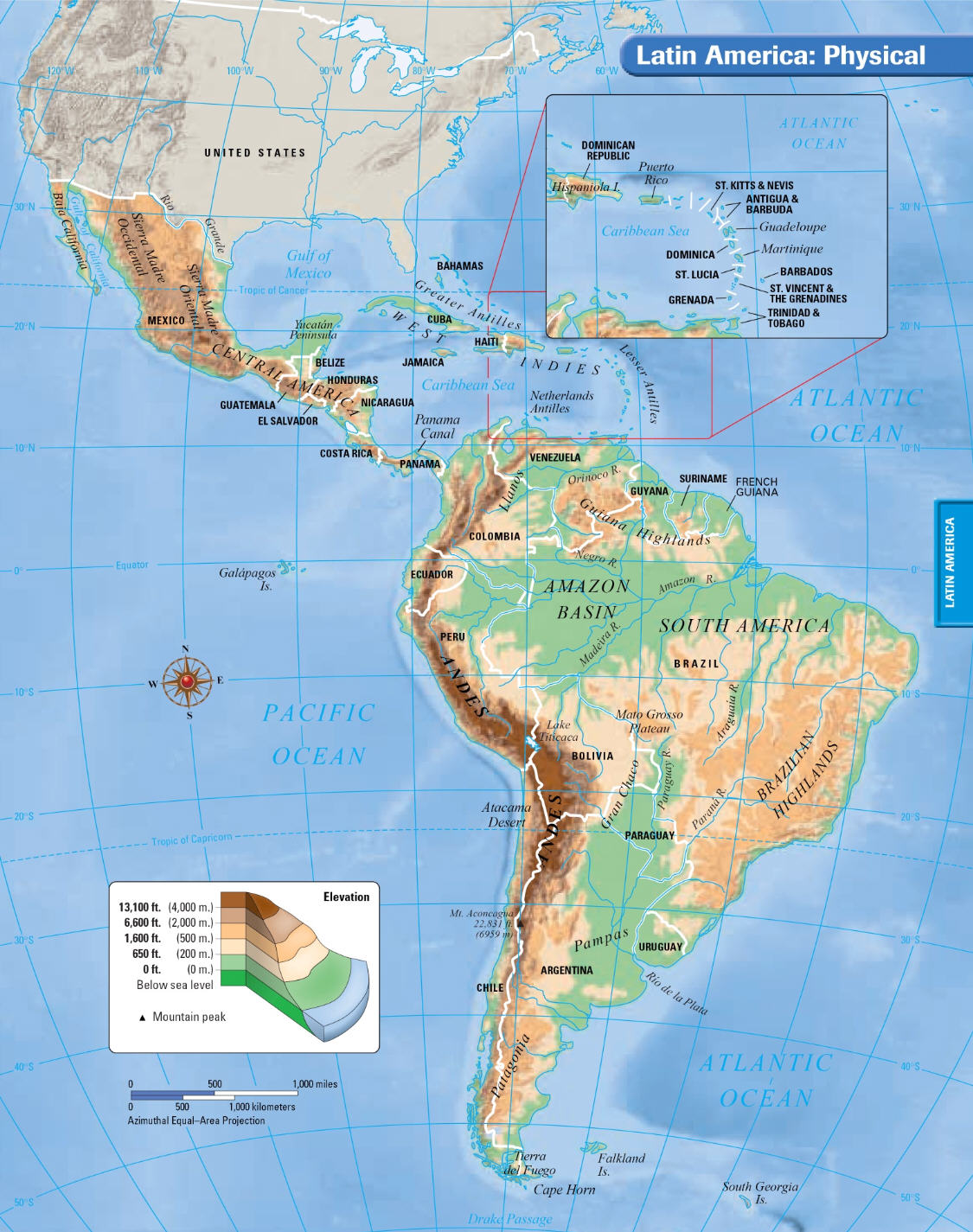
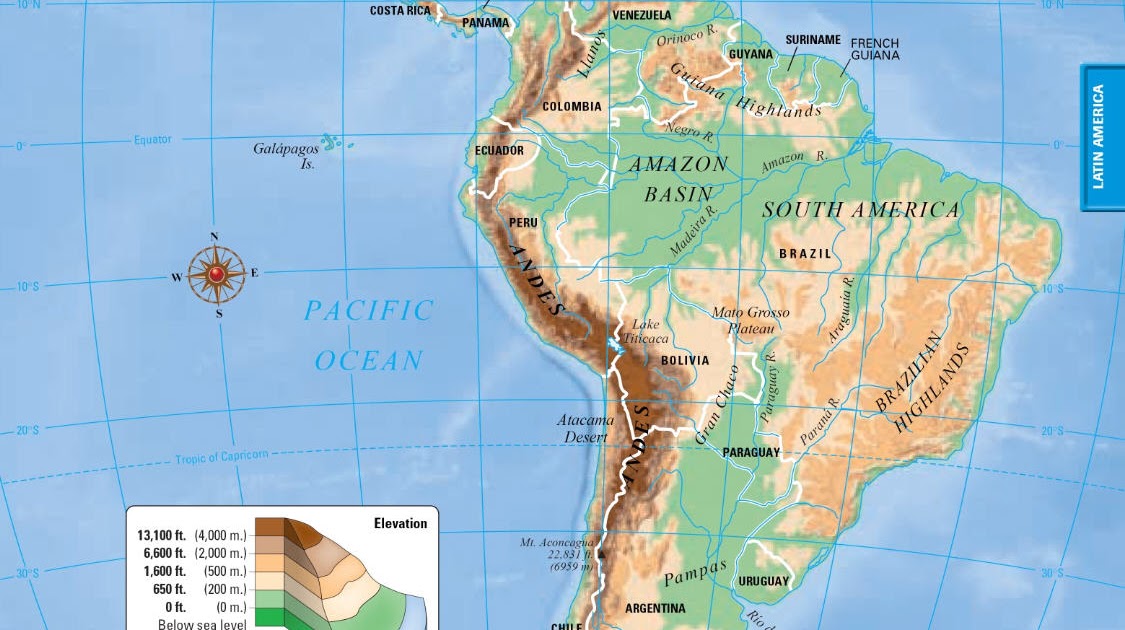
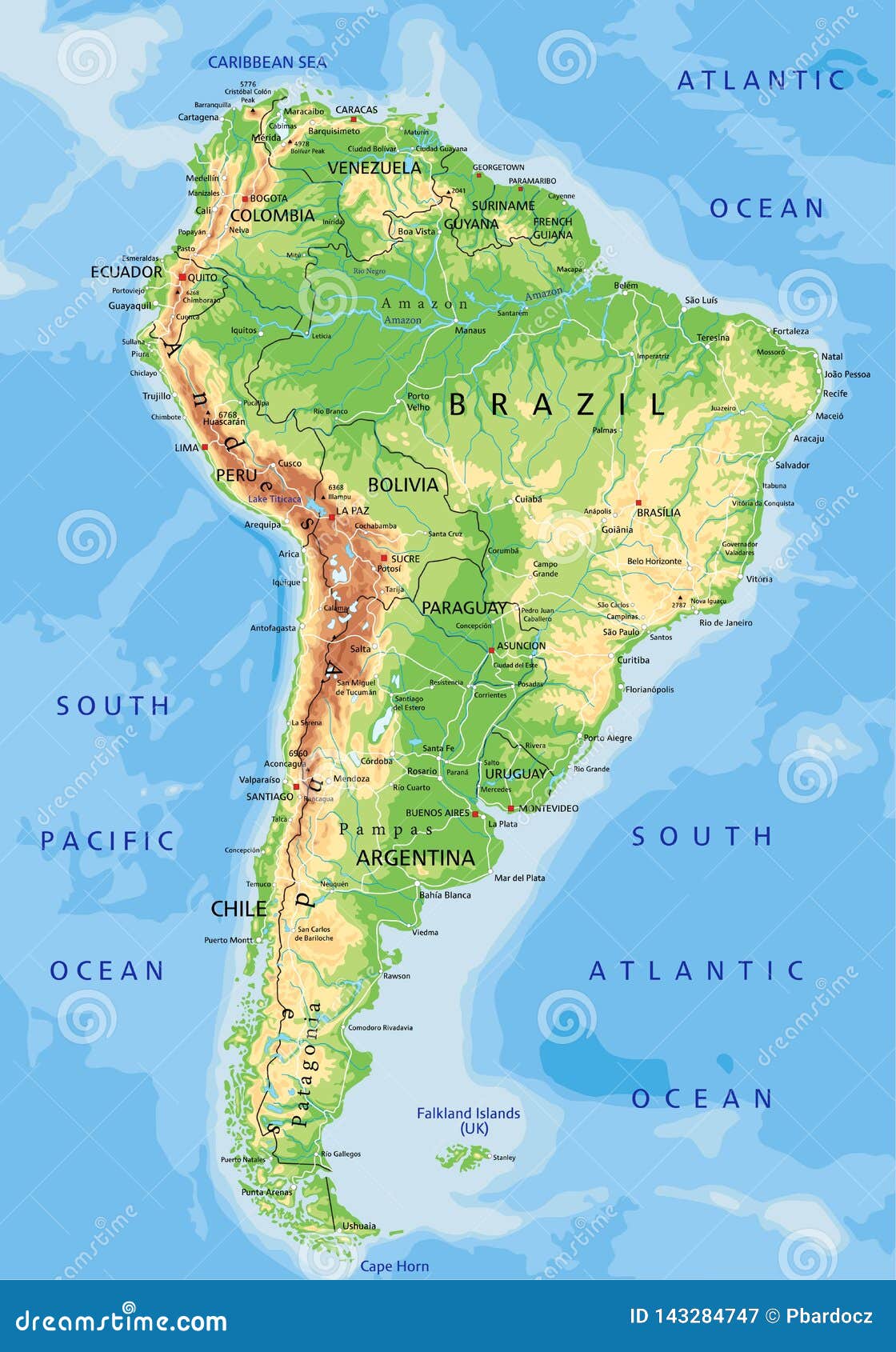
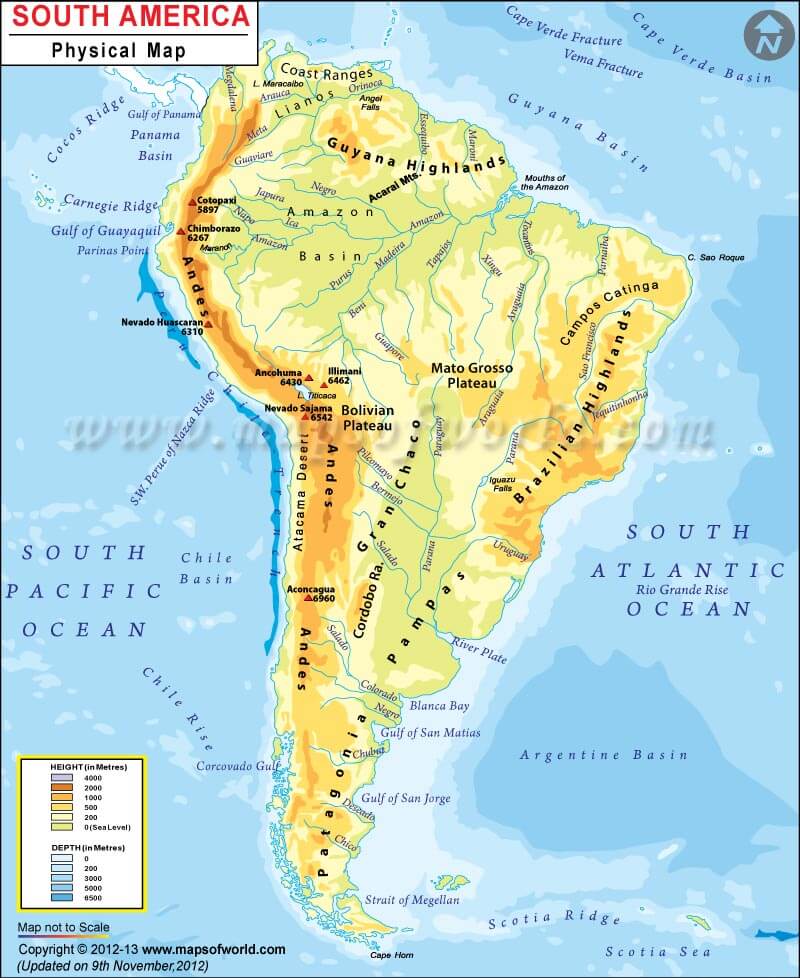
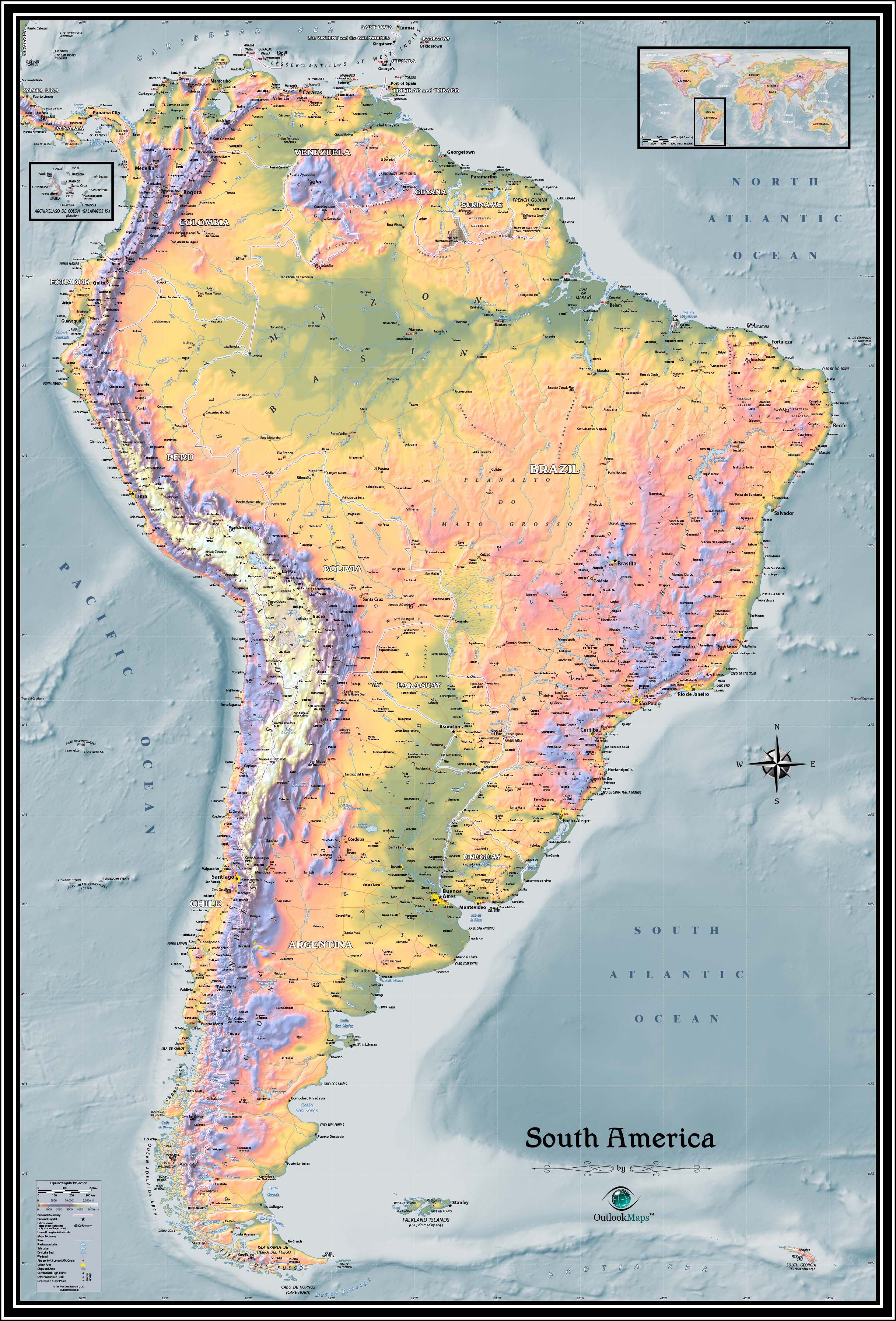
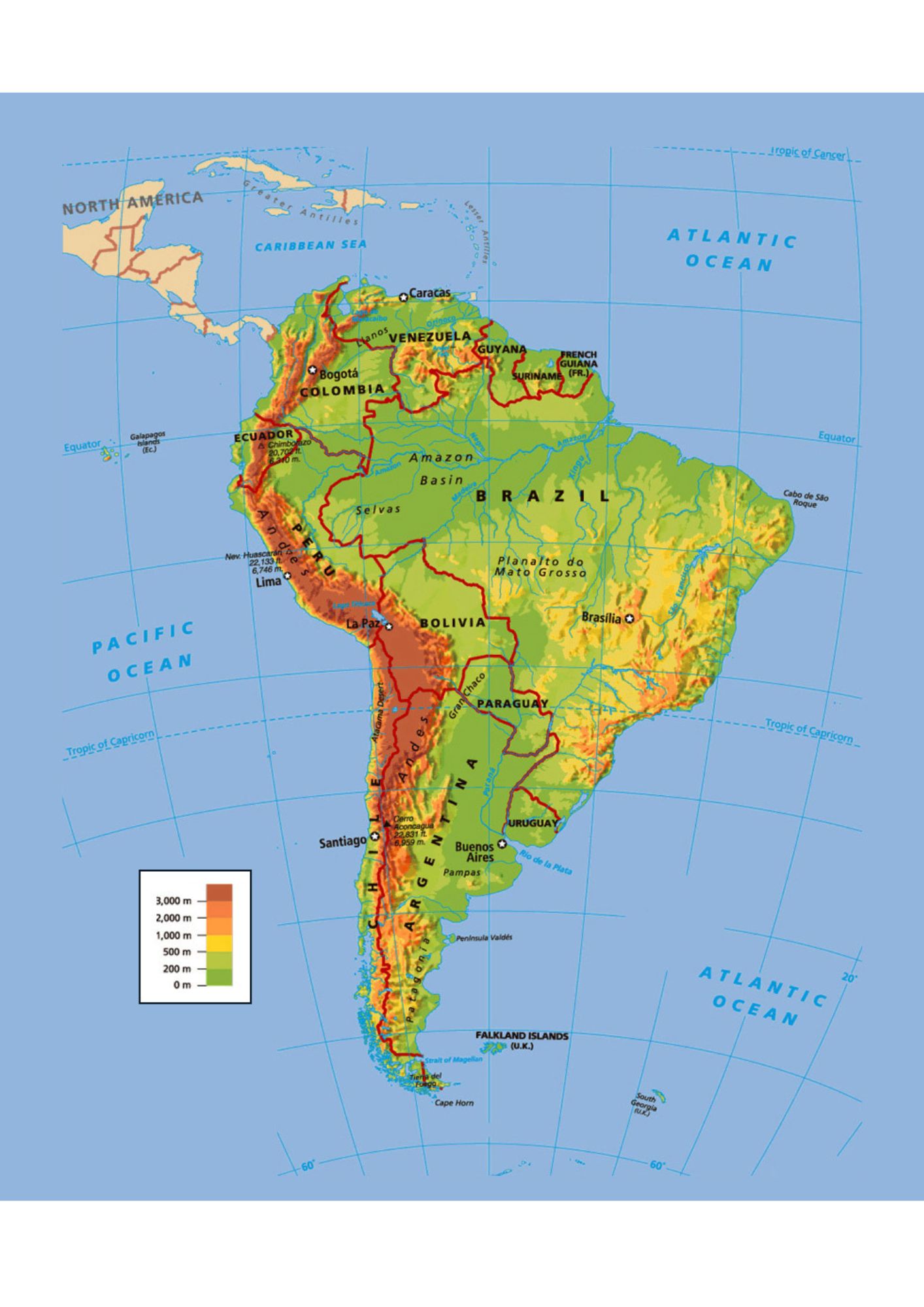
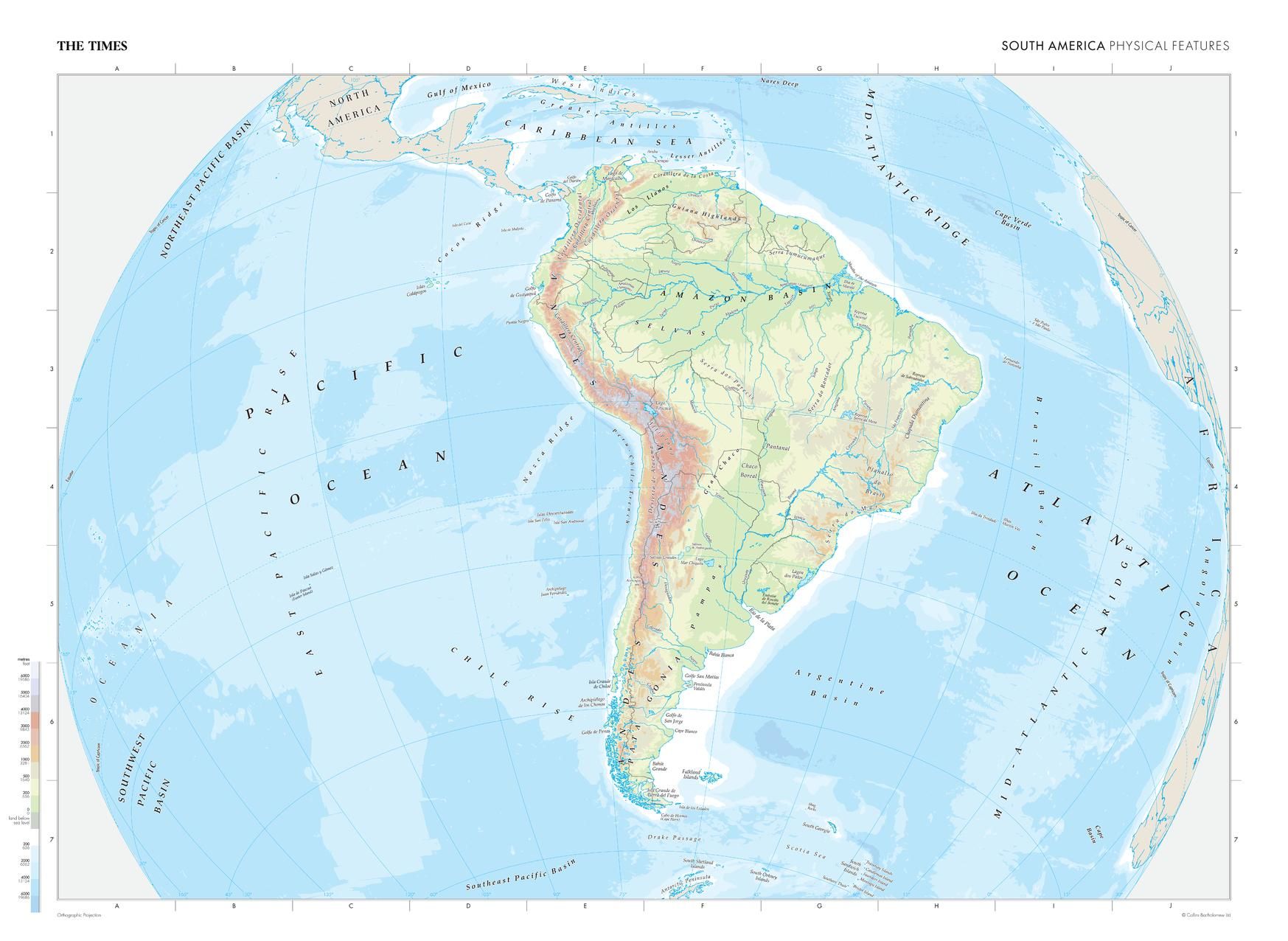
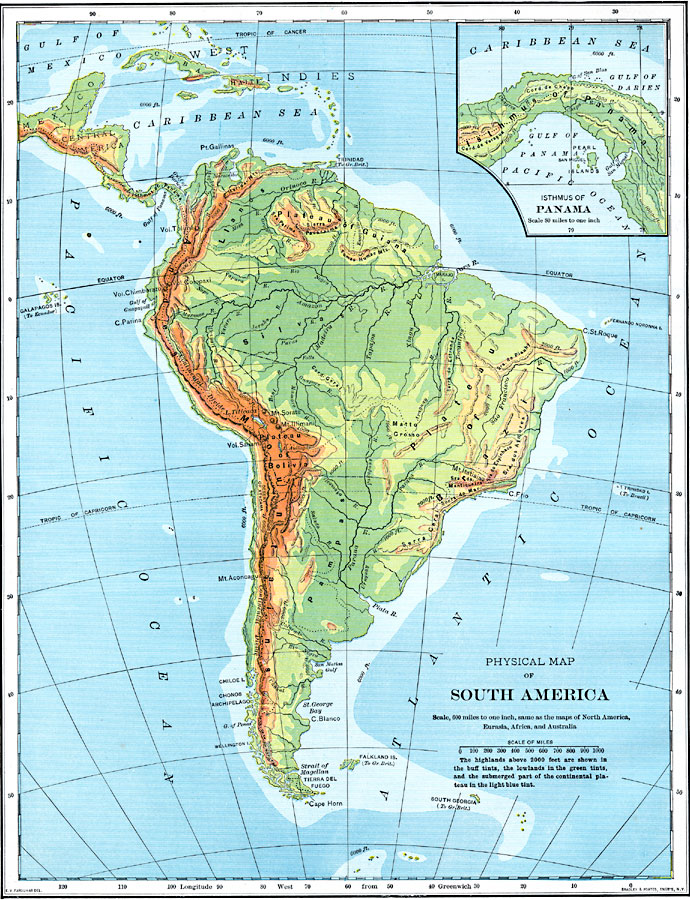
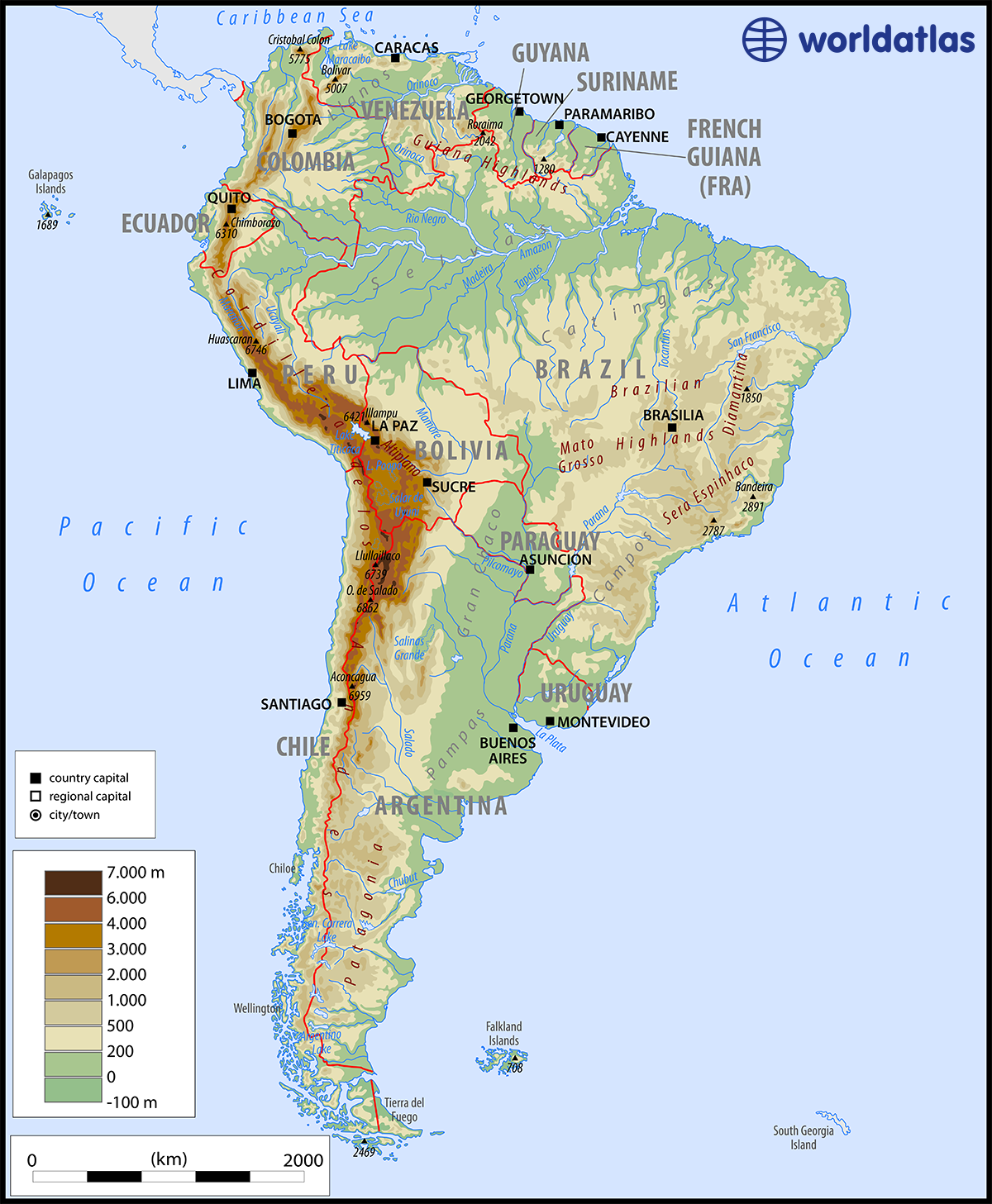
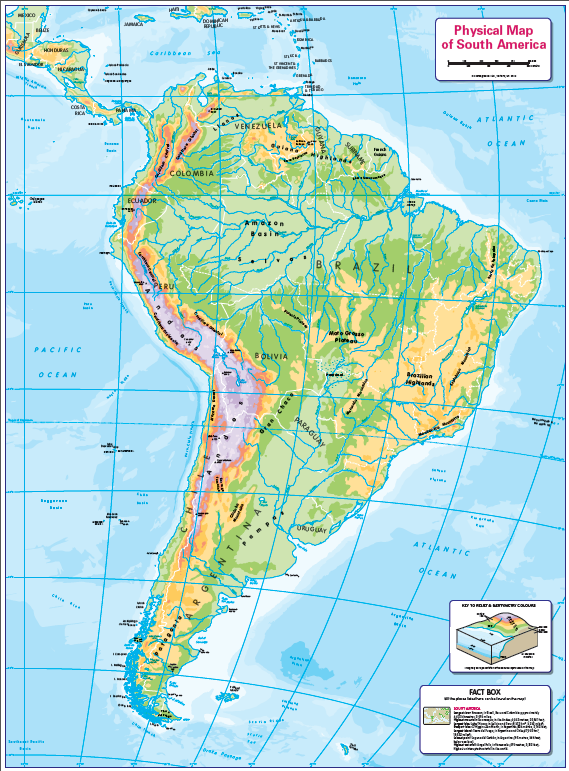

The colors on a physical map of South America typically indicate elevation. Greens usually signify low-lying plains and coastal areas, while yellows and light browns represent higher plains or plateaus. Darker browns and whites are used for mountains and very high peaks, like the Andes, often topped with snow or glaciers. This color scheme provides an instant visual understanding of the terrain's altitude and variations across the continent.
How does a map key help understand South America's rivers and water bodies?
A map key, or legend, uses distinct symbols and shades of blue to differentiate water features. It clarifies whether a blue line represents a major river, a smaller tributary, or perhaps an intermittent stream. Different blue hues can also distinguish between oceans, large lakes, and smaller bodies of water. This detailed information allows users to trace river systems like the Amazon and understand their connection to the broader landscape.
What are contour lines on a physical map, and are they in the key?
Contour lines are often present on detailed physical maps and are explained in the key. These lines connect points of equal elevation, helping to show the exact shape and slope of the land. Closely spaced contour lines indicate steep terrain, while widely spaced lines suggest flatter areas. The key will specify the elevation interval between each line, providing precise topographical data for accurate interpretation.
Key Geographical Features
Where are the major mountain ranges shown on a South America physical map?
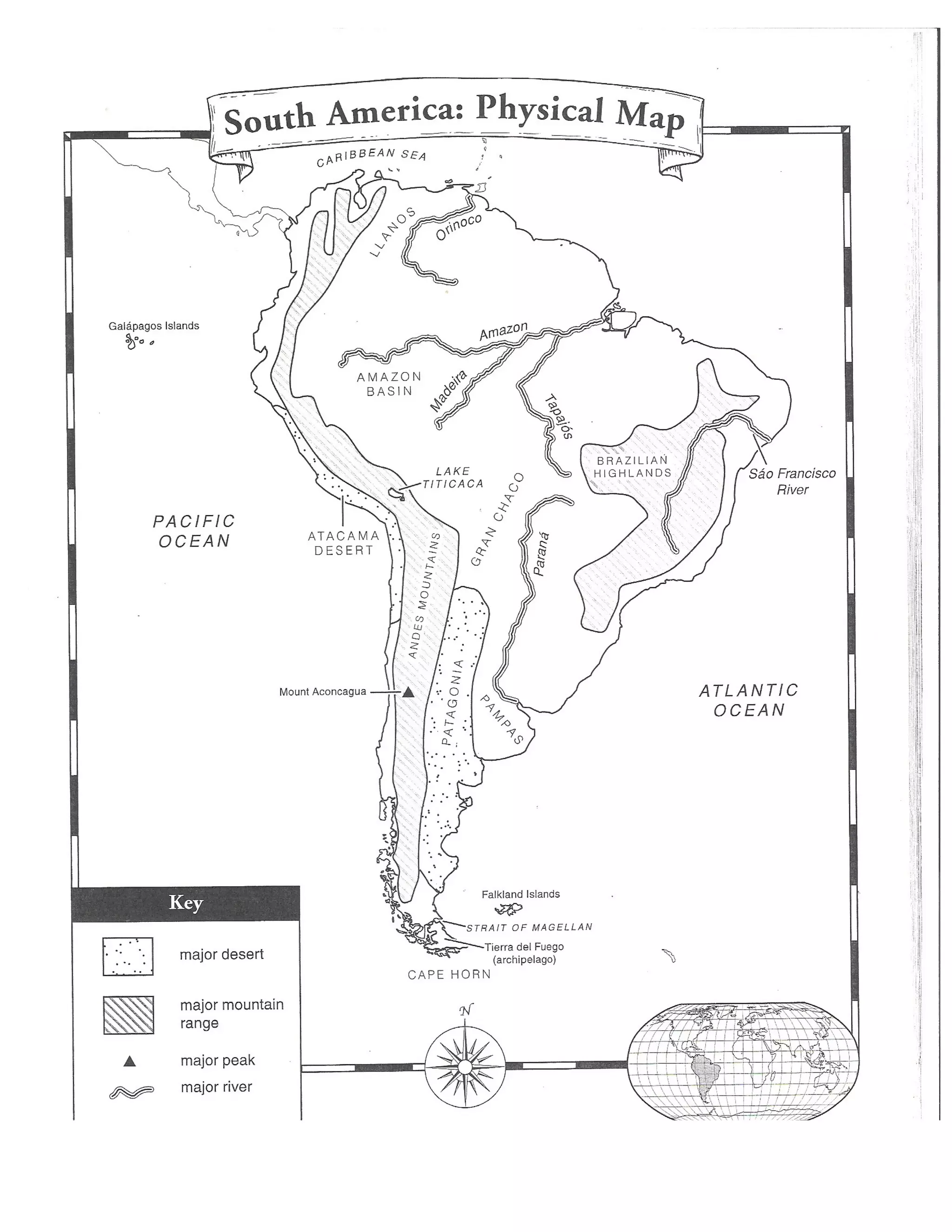
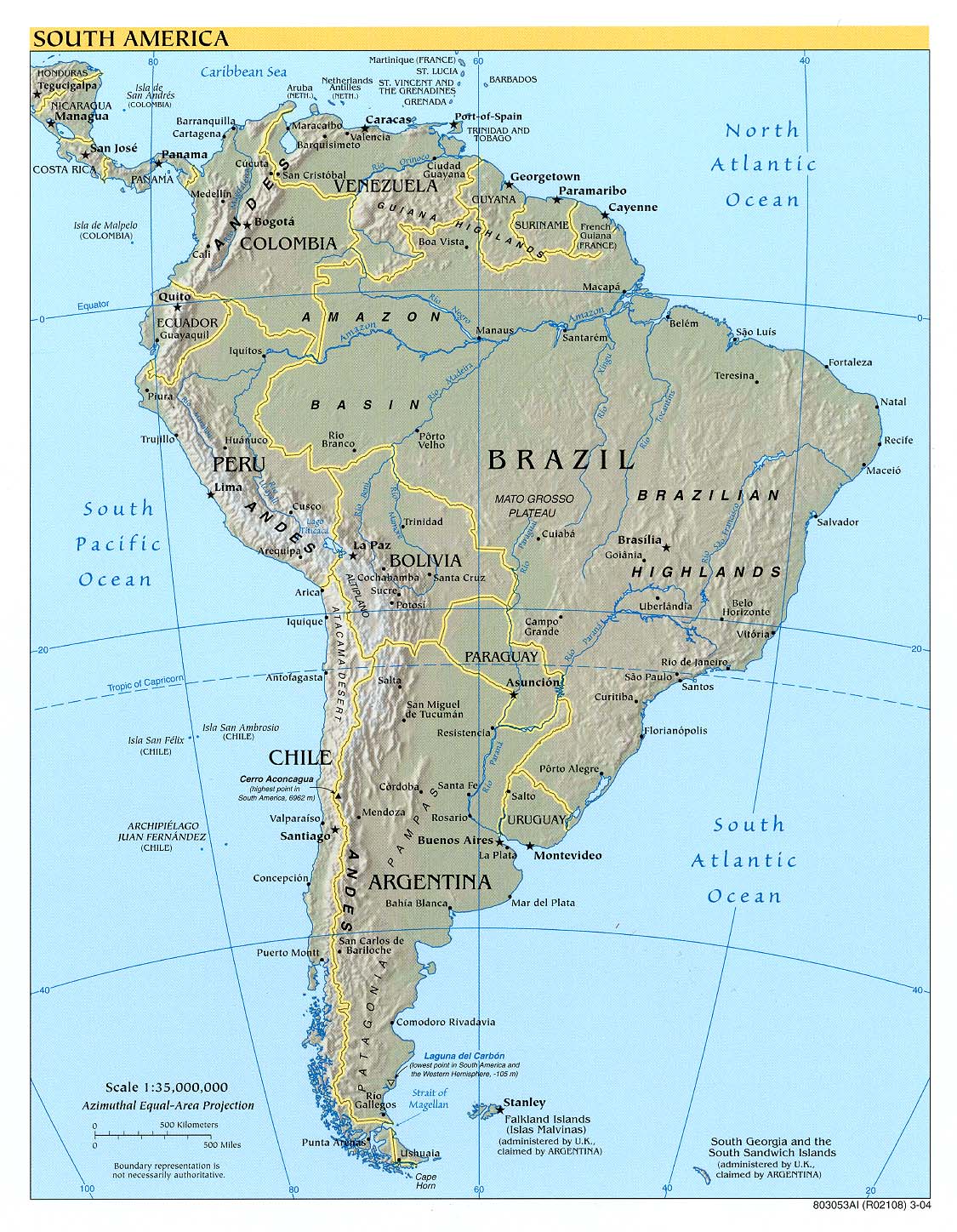
The principal mountain range, the Andes Mountains, is prominently displayed along the entire western coast of South America on a physical map. It's typically depicted in varying shades of brown and white, indicating its high elevations and rugged peaks. Other highland areas, like the Guiana Highlands in the north and the Brazilian Highlands in the east, are also visible, though they are less extensive than the Andes. The map key clarifies these significant elevations.
Why is the Amazon Basin highlighted on physical maps of South America?
The Amazon Basin is a crucial feature, highlighted by vast expanses of green on physical maps, representing its low elevation and dense rainforest. It's the world's largest drainage basin and home to the Amazon River, the largest river by discharge volume. Its immense size and ecological importance make it a central geographical landmark, influencing climate, biodiversity, and global ecosystems. The key helps in understanding its expansive nature.
What are the main plains regions depicted on South America's physical map?
South America's physical map showcases several major plains regions, typically in shades of green and yellow. These include the Llanos to the north, the Amazon Basin's extensive lowlands, and the Gran Chaco and Pampas further south. These plains are vital for agriculture, unique ecosystems, and often feature major river systems. The key differentiates these broad, relatively flat areas from mountainous terrain. This distinction is crucial for geographical understanding.
Understanding Map Scale and Projection
How does a map's scale affect interpreting a physical map key?
A map's scale, indicated in the key, determines the level of detail you can discern. A larger scale map (e.g., 1:10,000) shows a smaller area with much greater detail, making features like individual hills or small streams more evident. A smaller scale map (e.g., 1:10,000,000) shows a vast area, like the entire continent, but with less intricate detail. The key helps you understand how much real-world distance corresponds to map distance. This impacts the visibility of features.
What is a map projection, and is it relevant to a South America physical map?
A map projection is a method used to represent the spherical Earth on a flat map, and its details are often noted in the key. It's highly relevant because all projections introduce some distortion in shape, size, distance, or direction. For South America, different projections might slightly alter the apparent size or shape of countries or features like the Amazon Basin. Understanding the projection helps in interpreting geographical relationships accurately. The key often specifies which projection is used.
Still have questions?
Many people also ask, 'What is the purpose of a physical map's key?' The purpose is to provide an essential legend that defines every symbol, color, and pattern used on the map, allowing for accurate and comprehensive interpretation of geographical features such as elevation, water bodies, and landforms. It transforms a visual representation into an informative geographical tool.
Hey everyone, have you ever looked at a physical map of South America and just wondered, "What does all this actually mean?" Honestly, it's like a secret code, right? But once you crack the key, it totally changes how you see the continent. It’s pretty fascinating, tbh, how much information is packed into those colors and symbols. Today, we're going to dive deep into understanding a physical map of South America with its key. This guide will help you resolve any confusion you might have about those intriguing geographical details.
You'll quickly learn to identify major features and appreciate the stunning diversity across this incredible land. So, let's unlock those secrets together. It's not just for geography buffs; knowing this can really enhance your travel planning or even just your general knowledge. I've tried this myself, and it's super rewarding to finally understand what you're looking at. This information is truly a game-changer for anyone interested in Earth's natural wonders.
Decoding the South America Physical Map Key
So, what exactly is a map key, and why is it so vital for a physical map of South America? Think of it as the legend, the instruction manual for your map. It’s that small box, usually in a corner, that explains every single symbol, color, and pattern. Without it, the map would just be a pretty picture, without much real meaning. And we want meaning, don't we?
Understanding Elevation Colors
On most physical maps, different shades of green, yellow, brown, and white indicate elevation. Typically, dark green signifies low-lying areas, like coastal plains or river basins. Then, as the elevation increases, the colors usually shift to lighter greens and yellows for hills. Brown hues often represent higher plateaus and mountains. And finally, white or very light brown often shows the highest peaks, sometimes even glaciers. It’s a visual shorthand for how high the land actually is.
For South America, this is incredibly important because it's home to some seriously dramatic elevation changes. From sea level to towering peaks, the key makes these transitions easy to follow. You can see at a glance where the land rises sharply. It definitely helps to put things into perspective, I think. This color system is a universal language for terrain. It resolves many questions about land altitude.
Identifying Water Features and Their Symbols
The key doesn't just stop at land elevation; it also clarifies water bodies. Blue, naturally, is for water, but different shades or patterns can distinguish between oceans, major rivers, and lakes. Thicker blue lines often mark larger rivers, like the mighty Amazon River. Lighter blues might represent shallower waters or smaller tributaries. Sometimes, dashed lines can even show intermittent rivers or dry riverbeds. It’s all there in the key to guide you.
Knowing these symbols helps you trace the course of enormous river systems. You can really get a sense of how water shapes the continent. It’s pretty cool how detailed these maps can be when you know what to look for. The key also helps to differentiate between freshwater and saltwater bodies. This distinction is crucial for understanding ecosystems. It truly offers a comprehensive guide to all aquatic elements.
Exploring South America's Major Physical Features
Once you’ve mastered the key, the real fun begins: exploring the continent’s iconic landforms. South America is absolutely bursting with geographical wonders. It's truly a spectacle of nature, from one end to the other. Let's talk about some of the big ones.
The Majestic Andes Mountains
Look at your map, and you'll immediately spot that long, rugged brown and white stripe running down the western edge. That, my friends, is the Andes Mountains, the longest continental mountain range in the world. The key's high elevation colors truly highlight their imposing presence. This range is home to many of the continent’s highest peaks, like Mount Aconcagua. It's an incredible natural barrier, shaping weather patterns and ecosystems. The Andes are truly a geographical marvel.
The physical map with its key makes it clear just how vast and formidable this mountain chain truly is. You can see how it dominates the landscape. It's honestly breathtaking to imagine traversing such terrain. The Andes support diverse climates and unique biodiversity. Understanding their scale is essential for geographical comprehension. They represent a significant physical boundary.
The Vast Amazon River Basin
Now, shift your gaze to the north-central part of the continent. You'll see an enormous expanse of green and light green, crisscrossed by countless blue lines. This is the legendary Amazon River Basin. The lighter greens signify its generally low elevation and vast flatlands. The dense network of blue lines represents the Amazon River and its thousands of tributaries. It is the largest rainforest and river system globally. This area is incredibly vital for global biodiversity and climate regulation.
The key helps you appreciate the sheer scale of this ecological powerhouse. It's not just a river; it's an entire world unto itself. The map truly brings home the immense size. This massive basin profoundly influences continental weather patterns. It's a critical region for environmental studies. Its depiction on a map reveals astounding complexity.
Other Key Geographical Zones
But South America isn't just mountains and rainforests. The key also reveals other fascinating regions. To the east of the Andes, you'll find expansive plains, like the Pampas in Argentina, typically shown in shades of green and yellow. Up north, there's the Guiana Highlands, appearing as more elevated brown areas. And down south, the Patagonian Desert, often in yellows and lighter browns, showcasing its arid beauty. Each area has its own story. It's amazing how much variety there is.
The map key allows you to differentiate these varied landscapes easily. You can compare the dry plains with the fertile grasslands. It really emphasizes the continent's environmental contrasts. These regions support distinct flora and fauna. They contribute significantly to South America's identity. This comparative analysis is truly insightful.
Why the Map Key is an Informational Goldmine
Honestly, understanding a physical map of South America with its key isn't just academic; it's incredibly practical. It resolves so many basic geographical questions. It helps you grasp the foundational elements of the continent. It's more than just knowing where things are. It’s about understanding *why* things are the way they are.
Navigating South America's Diverse Terrain
For travelers, the key is an absolute lifesaver. Planning a trip to see the Andes? The brown and white colors instantly show you where the highest, most challenging terrain lies. Want to explore the Amazon? The greens and blues point to the vast, low-lying river networks. It helps you visualize your journey and prepare for the kind of landscape you'll encounter. This makes your travel planning much more informed. You can anticipate elevation changes and major waterways.
It’s like having a sneak peek before you even arrive. You can confidently navigate the continent's distinct regions. The key empowers you with essential geographical context. It genuinely makes exploration more meaningful. It's a fundamental tool for practical travel logistics. Always check the key before you go!
Informational Insights for Learners and Researchers
And for students or researchers, the key provides an instant overview of South America’s physical geography. You can quickly identify areas prone to specific climates or geological activities. It’s a fantastic tool for comparing regions and understanding their unique characteristics. This is where the informational aspect truly shines. It provides a solid foundation for deeper studies. The key serves as a vital analytical resource.
The map becomes a powerful analytical tool when its key is understood. You can quickly correlate physical features with demographic data or historical events. It aids in understanding environmental challenges and resource distribution. This comprehensive view is incredibly valuable. So, yeah, it’s super important to pay attention to that little box. It helps you connect the dots.
Wrapping Up Our Map Journey
So, there you have it! Understanding a physical map of South America with its key really isn't so daunting after all. It’s a clear guide that unlocks a wealth of information about its incredible mountains, rivers, and plains. Next time you see one, you'll be able to interpret those colors and symbols like a pro. And that, my friends, is a pretty cool superpower to have. Does that make sense? What exactly are you trying to achieve with your map exploration? Let us know!
Always remember that the key is your starting point for any geographical exploration. It's the essential tool that transforms visual data into meaningful insights. By mastering it, you gain a deeper appreciation for South America's diverse and dynamic landscape. This knowledge will serve you well for any future geographical inquiry. It's an invaluable skill for lifelong learners. It honestly just makes everything clearer.
Andes Mountains, Amazon River Basin, Patagonian Desert, physical map key interpretation, elevation levels, landform identification, geographical diversity of South America.
35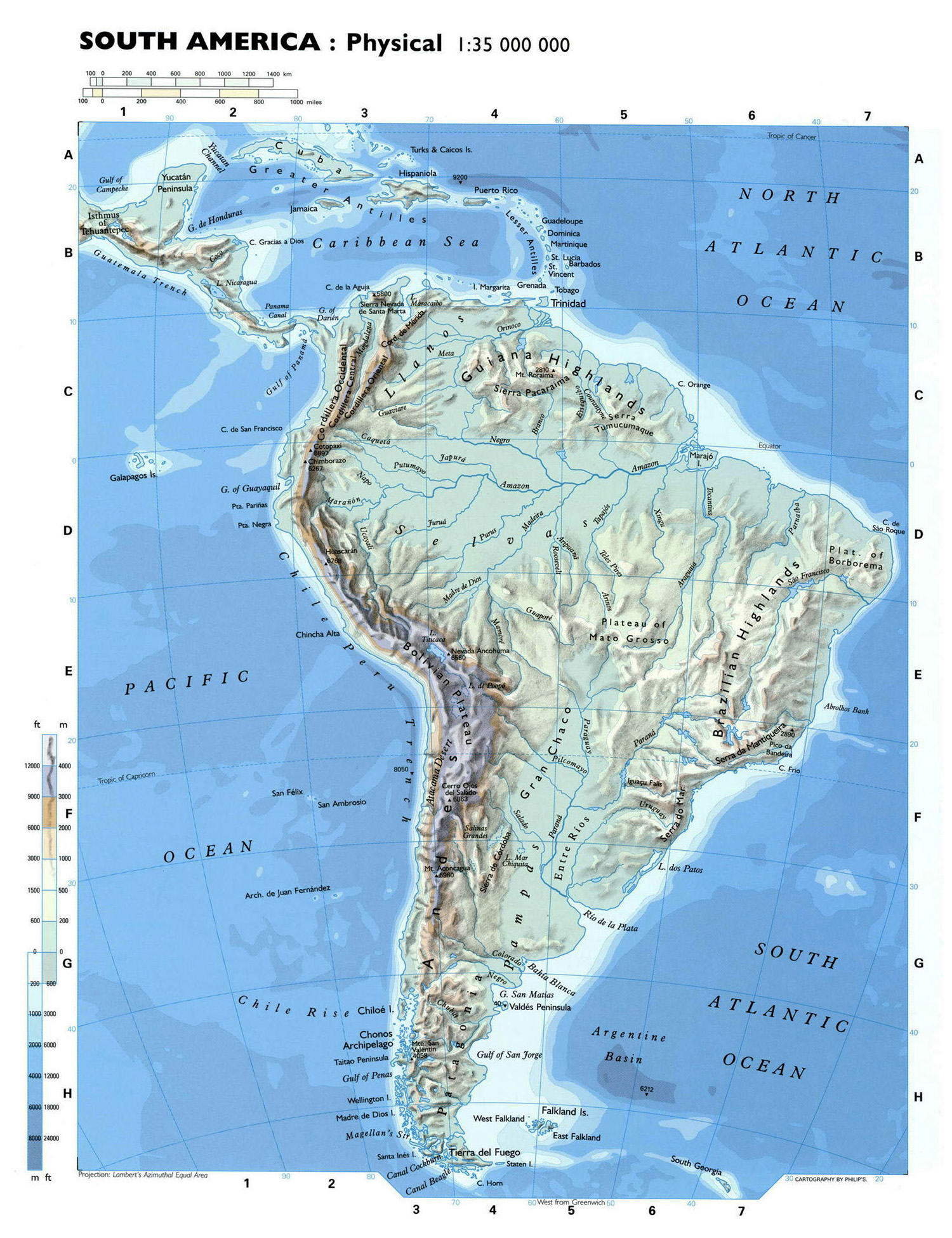
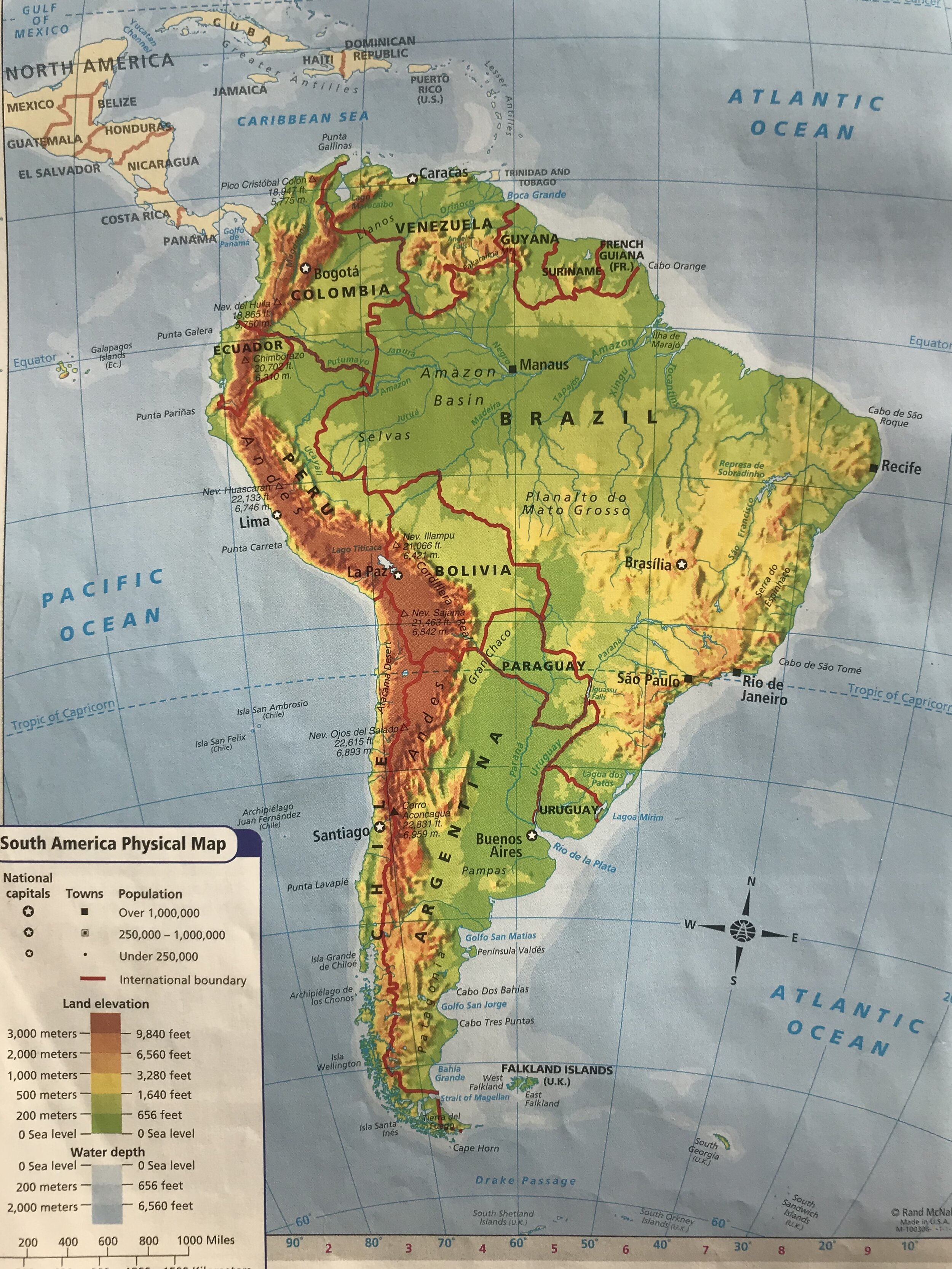
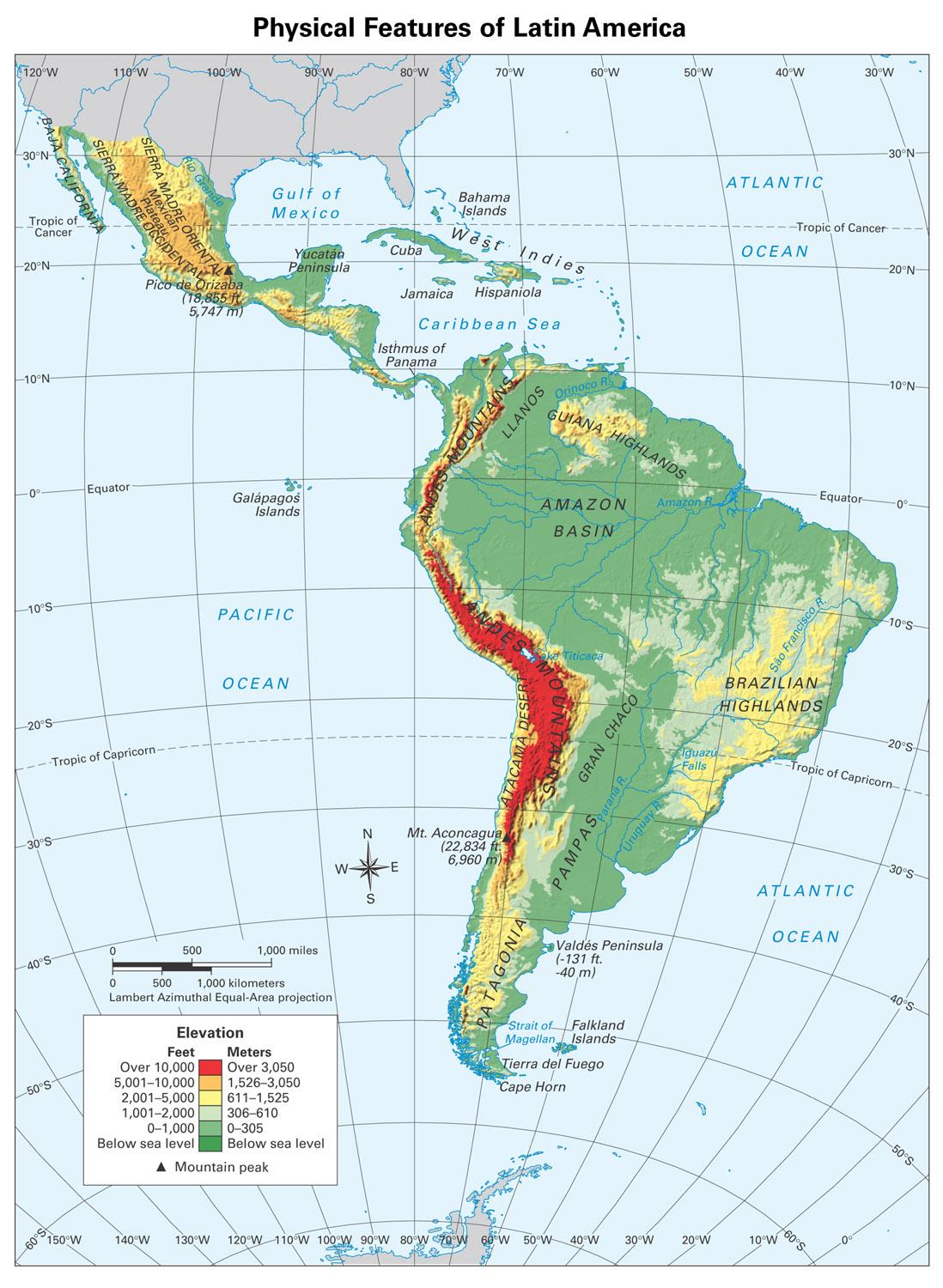
Physical Map Of South America With Key Detailed Physical Map Of South America . Latin America Map Physical Features IMG 7089 . Online Maps Physical Map Of Latin America Physical Map Latin America . South America Political Physical Continent Map Stanfords South America Political Physical Continent Map . Yuxing Wang Latin America Features Latin America Map


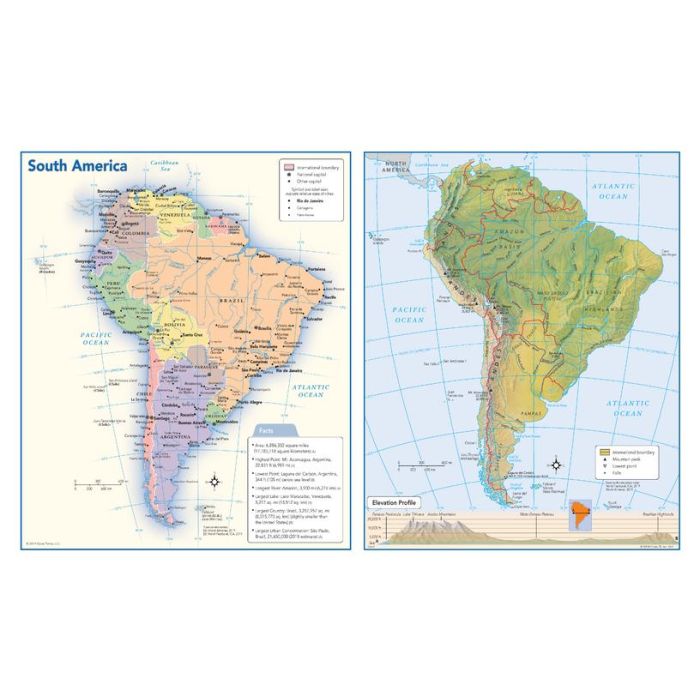
Maps Of South America And South American Countries Political Maps Detailed Political Map Of South America . Political Map Of Latin America Advanced Insights Latin America Map . Coach Smith S World Geography Class Latin America Physical Map . South America Physical Map Net Map . Physical Map Of South America With Key Physical Map Sa 143284747



South America Physical Map Vidya Chitr Prakashan VCP South America Physical Map . Mr Hammett World Geography South America Physical Map 3 . South America World Geography South America Physical Map . South America Map With Physical Features Time Zones Map S America IMG 0359 . South America Physical Map 1

South America Map With Physical Features Time Zones Map S America Physical . Physical Map Of South America Landform Features Printable South America Physical Map . South America Physical Map DOC South America Physical Map 1 2048 . Physical Map Of South America . Physical Map Of South America Physical South America Map Premium The Times Map Of South America Physical Features


Physical Map Of South America 5973 . Printable Physical Map Of South America 1600px . South America Map Outline Printable 41YzYQQ AyL. AC UF1000,1000 QL80 DpWeblab . Maps Of South America Physical . Physical Map Of South America Ltd Childrens Physical Map Of South America1051 Newcopy 1

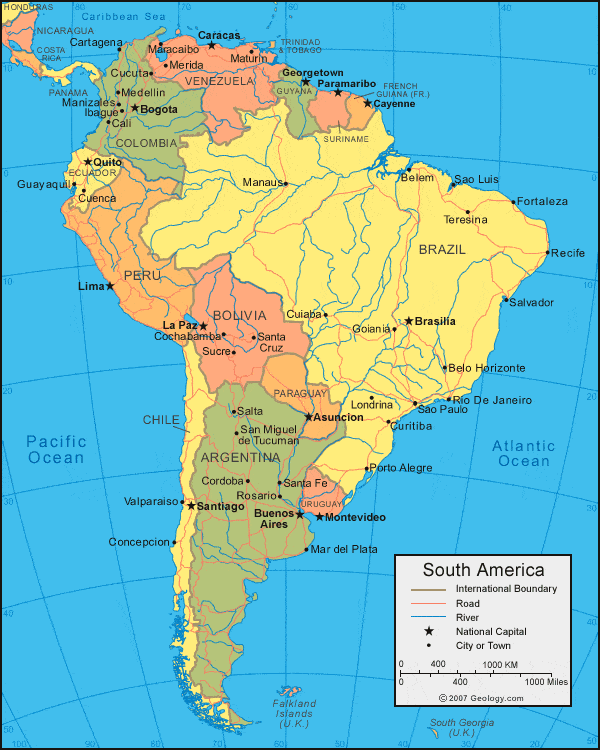
File Map Of South America Jpg Wikimedia Commons Map Of South America . Physical Map Of South America 4 . Political South America Wall Map South America Wall Map Political Ct00019 . South America Detailed Physical Map Global Stock Vector Royalty Free Stock Vector South America Detailed Physical Map With Global Relief Roads Lakes And Rivers Highly Detailed 565667038 . Physical Map Of South America South America Map
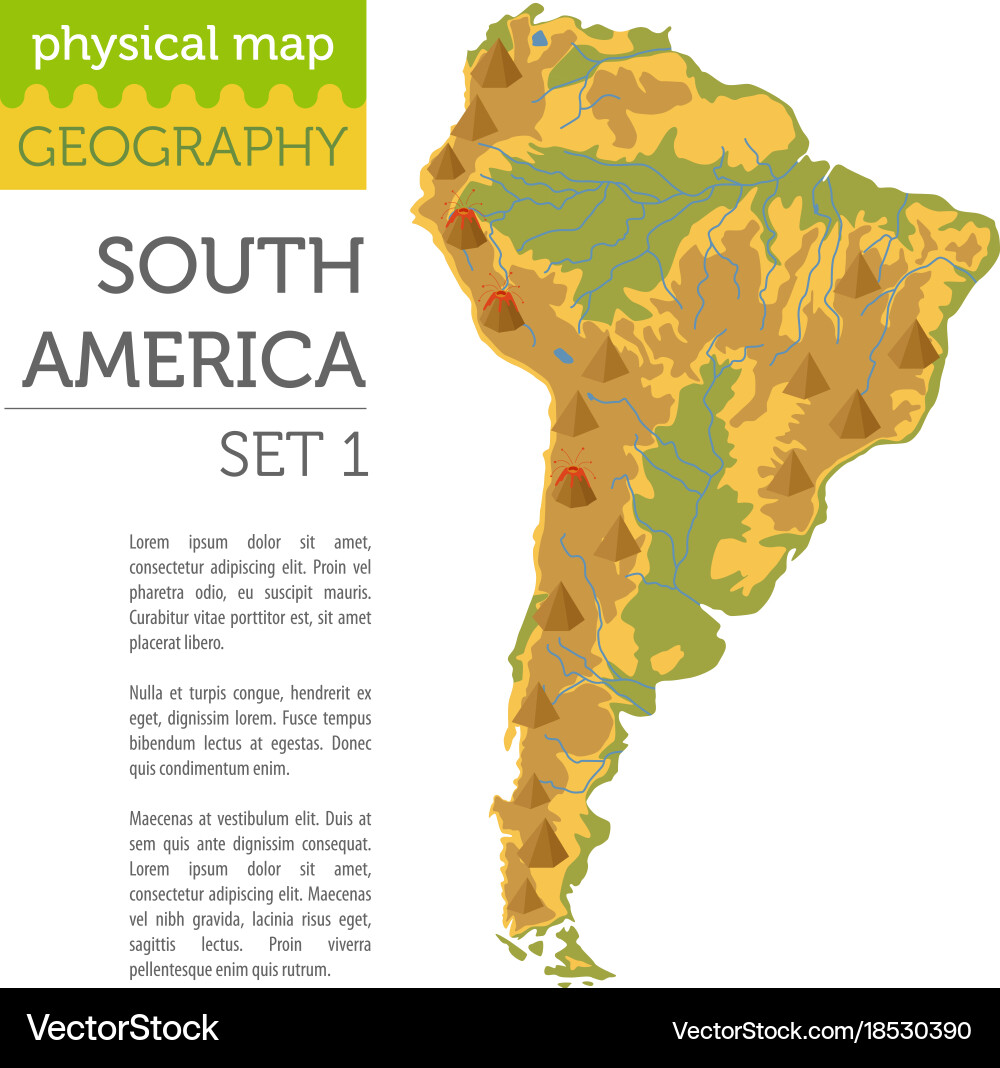

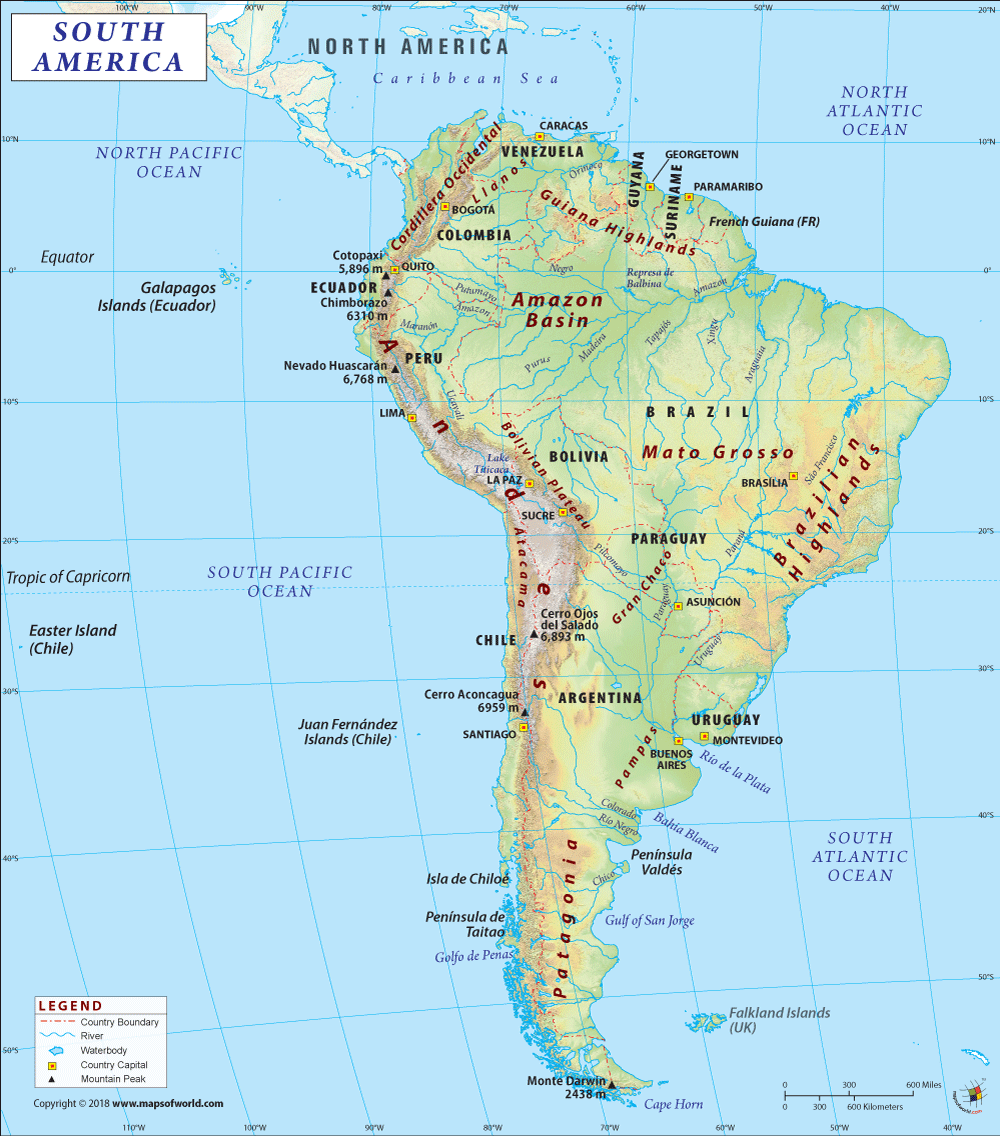
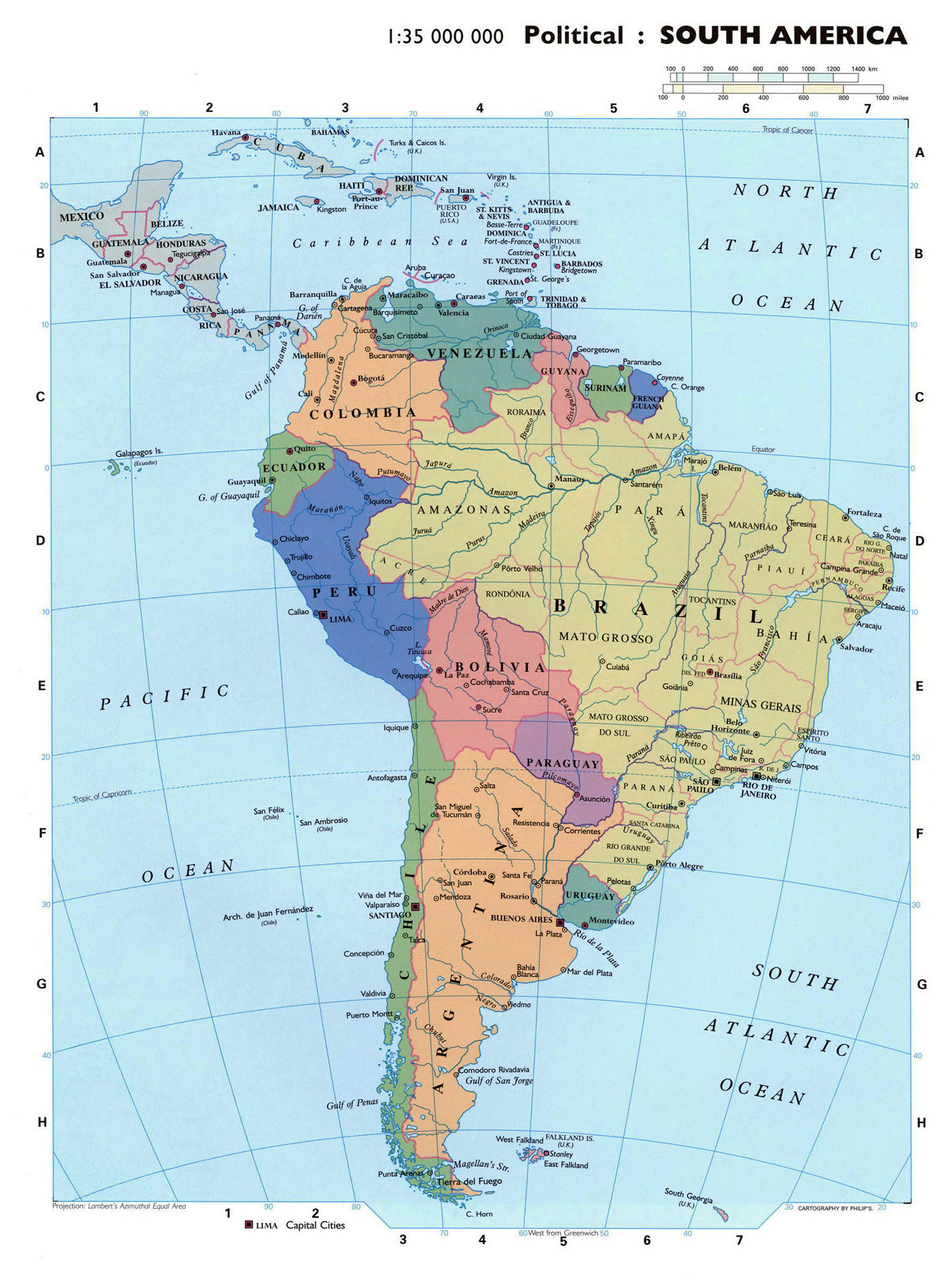

South America Physical Map Elements Build Vector Image South America Physical Map Elements Build Vector 18530390 . Online Maps Physical Map Of Latin America IQQw SX4J5 R5Ey6Y Zf8V3 H630 P K No Nu. Key West Latitude And Longitude Map South America . Maps Of South America And South American Countries Political Maps Large Detailed Political Map Of South America . Physical Map Of South America Physical South America Map Premium South America Physical Map Highly Detailed Vector Format All Relief Forms Countries Big Cities 73586948