Are your Steam games crashing lagging or just not launching in 2026? This comprehensive guide dives deep into how to troubleshoot Steam game issues effectively. We cover common problems from FPS drops and stuttering to network lag and driver conflicts, providing actionable solutions. Learn expert tips for settings optimization system maintenance and ensuring your gaming rig performs at its peak. Whether you are a casual player or a ranked competitor understanding these fixes will enhance your PC gaming experience. We address concerns across genres like FPS MOBA RPG Battle Royale Indie MMO and Strategy games. Say goodbye to frustrating glitches and hello to seamless gameplay with our ultimate troubleshooting walkthrough. Get ready to reclaim your virtual adventures. We explore advanced strategies for diagnosing stubborn bugs and keeping your drivers updated. This guide empowers every gamer to become their own tech support guru ensuring smooth sessions.
Related gameshow to troubleshoot steam games FAQ 2026 - 50+ Most Asked Questions Answered (Tips, Trick, Guide, How to, Bugs, Builds, Endgame)
Welcome, fellow gamers, to the ultimate living FAQ for troubleshooting your Steam games in 2026! We understand that nothing ruins a gaming session faster than unexpected crashes, frustrating lag, or mysterious launch failures. This comprehensive guide has been meticulously updated for the latest patches and system requirements, designed to address over 50 of the most pressing questions players have. Whether you are dealing with a minor glitch or a persistent game-breaking bug, our expert tips, tricks, and detailed guides will help you diagnose and resolve common and complex issues. From optimizing your settings for peak FPS to fixing driver conflicts and understanding network dynamics, we cover every aspect of PC game maintenance. Prepare to transform your troubleshooting skills and ensure your favorite titles run smoothly, allowing you to fully immerse yourself in every adventure, build, and endgame challenge without interruption. This is your go-to resource for seamless gaming in the ever-evolving digital landscape.
1. Beginner Questions & Setup
How do I fix Steam game not launching?
To fix a Steam game not launching, first verify the integrity of your game files through Steam. Update your graphics drivers, ensure your operating system is current, and temporarily disable any conflicting antivirus software. Also, try running Steam or the game as an administrator for proper permissions.
How do I verify game files on Steam?
To verify game files, right-click the game in your Steam Library, select 'Properties', go to 'Installed Files', and click 'Verify integrity of game files'. This process checks for and replaces corrupted or missing data, a common fix for many launch and runtime errors. It's a quick, essential first step in troubleshooting any Steam game.
Why is my Steam client running so slowly?
Your Steam client might be slow due to a cluttered download cache, too many background processes, or outdated software. Try clearing the download cache via Steam settings, disabling the in-game overlay if unused, and ensuring your internet connection is stable. A quick Steam client restart often helps too.
What are the basic system requirements checks for new Steam games?
Before playing new Steam games, always compare your PC's CPU, GPU, and RAM against the game's minimum and recommended specifications. Ensure you have sufficient free disk space, particularly on an SSD for better performance. Check for DirectX version compatibility and update all necessary drivers.
Can firewall or antivirus software block my Steam games?
Yes, firewall or antivirus software can definitely block Steam games. They might mistakenly identify game executables or necessary connections as threats, preventing launch or online play. Temporarily disable them for testing, or add exceptions for Steam and your game within their settings.
2. Performance Troubleshooting (FPS, Stuttering, Lag)
Why is my Steam game suddenly lagging?
Sudden game lagging in Steam is often caused by outdated GPU drivers, excessive background applications consuming resources, or network congestion if playing online. Overheating components can also lead to performance throttling. Check your power plan settings for optimal performance configuration.
How to improve FPS in Steam games 2026?
To improve FPS in Steam games for 2026, lower in-game graphics settings like shadows, anti-aliasing, and post-processing. Update your GPU drivers, utilize a high-performance power plan, and ensure optimal cooling for your hardware. Close all unnecessary background applications to free up system resources.
What causes stuttering in PC games despite high FPS?
Stuttering despite high FPS is typically caused by screen tearing (without VSync/G-Sync), inconsistent frame delivery, or shader compilation issues. Ensure display synchronization is active, clear your GPU's shader cache, and check for background tasks causing CPU spikes. Optimize your refresh rates.
How can I reduce Ping and network Lag in online Steam games?
Reduce Ping and network Lag by using a wired Ethernet connection instead of Wi-Fi. Restart your router and modem, ensure no other devices are saturating your bandwidth, and consider configuring Quality of Service (QoS) on your router to prioritize game traffic. Close all background downloads.
Are in-game settings optimization crucial for FPS and how?
Yes, in-game settings optimization is extremely crucial for FPS. Adjusting settings like resolution, texture quality, shadow details, and anti-aliasing can significantly impact performance. Prioritize competitive advantages by lowering visual fidelity that doesn't affect gameplay, like post-processing effects.
3. Crashing & Freezing Fixes
What causes Steam games to crash frequently?
Frequent Steam game crashes can stem from corrupt game files, outdated or incompatible drivers, system instability (e.g., overclocking), or conflicts with other software like antivirus programs. Overheating hardware, insufficient RAM, or a faulty power supply can also contribute. Always check error logs.
My game freezes randomly; what should I look for?
Random game freezes often point to driver issues, system instability, or background processes consuming all resources. Check your GPU and CPU temperatures for overheating. Ensure Windows and all drivers are updated, verify game files, and temporarily disable any overlays or background recording software.
How do I check Windows Event Viewer for game crash details?
To check Windows Event Viewer for game crash details, search 'Event Viewer' in the Start menu. Navigate to 'Windows Logs' -> 'Application'. Look for 'Error' entries corresponding to the time of your game crash. These logs can provide critical information, like the faulty module or error code, to aid in troubleshooting.
Can overclocking cause Steam games to become unstable?
Yes, overclocking your CPU, GPU, or RAM can absolutely cause Steam games to become unstable. While it boosts performance, an unstable overclock can lead to frequent crashes, freezes, and system errors. Try reverting to stock speeds to determine if overclocking is the root cause of your issues.
Is reinstalling Steam or the game a last resort for crashes?
Reinstalling Steam or a problematic game should be considered a more advanced troubleshooting step, not necessarily a last resort. It can resolve deep-seated file corruptions or conflicts that verifying files or driver updates cannot. Always back up saved games before attempting a full reinstall.
4. Network & Multiplayer Issues
How do I fix 'Connection to host lost' errors in Steam multiplayer?
To fix 'Connection to host lost' errors, ensure your internet connection is stable and wired. Restart your router, check for conflicting firewall settings, and verify that game servers aren't down. Port forwarding specific to the game might be necessary, and check your router's NAT type for multiplayer compatibility.
What are common Steam voice chat problems and fixes?
Common Steam voice chat problems include no audio, crackling sounds, or mic not working. Check your default recording/playback devices in Windows sound settings. Ensure Steam's voice settings (found in 'Friends & Chat' > 'Settings') are configured correctly and test your microphone in other applications. Update audio drivers.
Why do I keep getting disconnected from Steam game servers?
Frequent disconnections from Steam game servers often indicate an unstable internet connection, firewall interference, or server-side issues. Check your ISP status, test your connection stability, ensure Steam and game executables are allowed through your firewall, and consult the game's community for server status updates.
Does port forwarding help with multiplayer game issues?
Yes, port forwarding can definitely help with specific multiplayer game issues, especially if you're experiencing strict NAT types or difficulty hosting games. It directs incoming traffic to your PC, ensuring smoother connections. Consult your router's manual and the game's support page for necessary port numbers.
What's the best internet speed for competitive MOBA or FPS games?
For competitive MOBA or FPS games, a download speed of at least 25-50 Mbps and an upload speed of 5-10 Mbps is generally recommended. However, consistently low Ping and a stable connection (wired Ethernet) are far more crucial than raw bandwidth for a smooth, lag-free competitive experience.
5. Driver & Software Conflicts
How do I check if my GPU drivers are updated for Steam?
To check if your GPU drivers are updated for Steam, open your graphics card's control panel (NVIDIA Control Panel, AMD Radeon Software). It usually displays the driver version. Compare this version with the latest release on your GPU manufacturer's official website. Download and install any newer versions available.
What impact do outdated audio drivers have on gaming?
Outdated audio drivers can cause various gaming issues, including distorted sound, crackling, no sound at all, or even game crashes. They can also introduce micro-stuttering due to system resource conflicts. Ensure your sound card drivers are updated via your motherboard or sound card manufacturer's website.
Can background software cause performance issues in Steam games?
Yes, background software is a major culprit for performance issues in Steam games. Applications like web browsers, streaming apps, cloud storage clients, or even other game launchers can consume CPU, RAM, and GPU resources. Close all non-essential programs before launching your game for optimal performance.
Should I use Game Mode in Windows 10/11 for Steam troubleshooting?
Windows Game Mode can be beneficial for Steam troubleshooting by prioritizing game processes and suspending background tasks. However, its effectiveness varies. While often helpful, if it causes issues, try disabling it. It's a tool, not a universal fix, so test its impact on your specific games.
What is a 'clean install' of GPU drivers and why is it important?
A 'clean install' of GPU drivers involves completely removing all previous driver files before installing the new ones. This prevents conflicts and corruption that can arise from leftover files. It's important for resolving persistent graphics issues, crashes, or performance problems after driver updates. Use DDU (Display Driver Uninstaller) for a thorough clean.
6. Steam Client & Library Fixes
How do I repair a corrupted Steam Library folder?
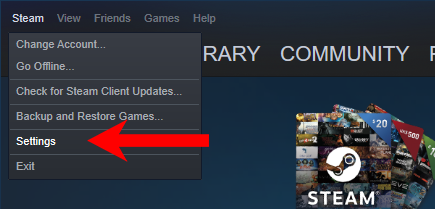
To repair a corrupted Steam Library folder, go to 'Steam' > 'Settings' > 'Downloads' > 'Steam Library Folders'. Right-click the problematic folder and select 'Repair Library Folder'. Steam will then attempt to fix any inconsistencies or corrupted files within that library's structure. This can resolve game launch issues.
What is the purpose of clearing Steam's download cache?
Clearing Steam's download cache resolves issues like failed updates, corrupted downloads, or client slowdowns. The cache stores temporary files used during game downloads and updates. A corrupted cache can interfere with new installations or patches, leading to various errors. It's a quick, safe troubleshooting step.
Can Steam's in-game overlay cause problems?
Yes, Steam's in-game overlay can sometimes cause problems like FPS drops, crashes, or conflicts with specific games, especially older titles. While useful for features like screenshots or chatting, if you're experiencing instability, try disabling it for the problematic game (or globally in Steam settings) to test.
How do I fix Steam saying a game is running when it isn't?
If Steam says a game is running but it isn't, open Task Manager (Ctrl+Shift+Esc). Look for the game's executable or any related processes in the 'Processes' tab and end them manually. Sometimes the process gets stuck in the background. A full PC restart is also a guaranteed fix for this common bug.
Where are Steam game saves located and how do I back them up?
Steam game saves are typically located in various places, often within the game's installation folder, your 'Documents' folder, or 'AppData'. To back them up, locate these folders manually or use cloud saving features if supported by the game. Copying them to an external drive is a reliable method before reinstalling games.
7. Game-Specific Bugs & Patches
Why do some games get frequent patches and how do they help?
Some games receive frequent patches to address bugs, balance gameplay, add new content, or improve performance. These updates are crucial for fixing known issues, ensuring stability, and enhancing the overall player experience, especially for active titles like MMOs or Battle Royale games with evolving meta. Always keep your games updated.
How do I report a game bug to developers on Steam?
To report a game bug to developers on Steam, first check the game's official Steam Community Hub forums. Many developers have dedicated bug reporting sections. You can also visit the developer's official website or social media channels for their preferred bug submission method. Provide clear details and reproduction steps.
Can older games struggle with modern hardware on Steam?
Yes, older games can indeed struggle with modern hardware on Steam due to compatibility issues with newer operating systems, graphics APIs, or high refresh rate monitors. Workarounds often include using compatibility modes, fan-made patches, or community guides specific to the game to ensure proper functioning.
What is 'Early Access' on Steam and what does it mean for troubleshooting?
'Early Access' on Steam means a game is still in active development, allowing players to play and provide feedback before its official release. For troubleshooting, it implies you're likely to encounter more bugs, performance issues, and frequent changes. Developers usually prioritize fixing major issues based on community feedback.
Are community guides for specific games reliable for troubleshooting?
Community guides for specific games can be incredibly reliable for troubleshooting, especially for niche or older titles where official support might be limited. Players often discover and share effective fixes for common bugs, performance tweaks, or unique challenges. Always check the guide's date and user reviews for credibility.
8. Hardware Optimization
How does RAM affect game performance and what's enough for 2026?
RAM significantly impacts game performance by storing active game data for quick access. Insufficient RAM causes data to be offloaded to slower storage, leading to stuttering and slower load times. For 2026, 16GB of RAM is generally the minimum for smooth gaming, with 32GB recommended for high-end systems and demanding titles.
What is the role of an SSD versus HDD for Steam games?
An SSD (Solid State Drive) drastically reduces game load times and improves texture streaming compared to an HDD (Hard Disk Drive). While an HDD can store many games cheaply, an SSD provides a much smoother experience, especially in open-world or graphically intensive games. Install your favorite games on an SSD for optimal performance.
How can I monitor my PC's temperatures while gaming?
You can monitor your PC's temperatures while gaming using software like MSI Afterburner (for GPU), HWMonitor, or Core Temp (for CPU). These tools provide real-time temperature readings, allowing you to identify if overheating is causing performance throttling or instability in your Steam games.
Is a CPU or GPU upgrade more important for gaming FPS?
Generally, a GPU (graphics card) upgrade is more important for gaming FPS as it handles most of the graphical rendering. However, a weak CPU can bottleneck even a powerful GPU, especially in CPU-intensive games (e.g., Strategy, MMO). For balanced performance, both components should be appropriately matched to avoid bottlenecks.
How does cooling affect game performance and stability?
Proper cooling is vital for game performance and stability. Overheating components (CPU, GPU) automatically 'throttle' their performance to prevent damage, leading to significant FPS drops and stuttering. Ensure good airflow, clean dust from fans and heatsinks, and consider upgrading your cooling solution for demanding gaming sessions.
9. Myth vs Reality: Troubleshooting Edition
Myth: Always update to the absolute latest driver instantly.
Reality: While driver updates are crucial, immediately installing the very latest version isn't always best. Sometimes, brand new drivers can introduce new bugs or performance regressions for specific games. It's often safer to wait a week or two for community feedback on stability, or stick to a known stable driver version for your system.
Myth: Task Manager shows 100% disk usage, my SSD is dying.
Reality: 100% disk usage in Task Manager can be alarming but doesn't automatically mean your SSD is dying. It's often caused by background Windows processes like Superfetch/SysMain, Windows Search, or antivirus scans. Check which processes are using the disk, disable problematic ones, or reconfigure their settings before assuming hardware failure.
Myth: More RAM means infinitely better game performance.
Reality: While adequate RAM is essential, adding more RAM beyond what your system and games realistically utilize provides diminishing returns. For most 2026 gaming, 16GB is sufficient, and 32GB is excellent. Going higher, like 64GB, offers little to no performance benefit unless you're doing heavy content creation alongside gaming.
Myth: Game Boosters and RAM Cleaners dramatically improve FPS.
Reality: Most
Hey there, fellow gamer! Ever found yourself staring at a frozen screen or experiencing frustrating lag during an intense match? It truly feels like your rig is conspiring against you when your favorite Steam games decide to act up. Many players often ask, "Why are my Steam games suddenly performing so poorly?" It is a common question, and you are definitely not alone in facing these challenges.
We have all been there, battling frame rate drops or inexplicable crashes right when victory seems within reach. Don't worry, because you've come to the right place for some real talk and practical solutions. Think of me as your friendly senior colleague here to guide you through the digital wilderness. Together, we will unravel these pesky issues and get you back to smooth gaming.
Troubleshooting Steam games might seem daunting at first, but it is actually a skill anyone can master. This guide will walk you through common culprits and effective fixes for 2026's most popular titles. We will cover everything from basic checks to more advanced system tweaks, ensuring your PC is primed for action. Let's dive in and tackle those performance hiccups head-on, giving you the edge you need.
Beginner / Core Concepts
1. Q: My Steam game won't even launch; what's the first thing I should check?A: I truly understand how frustrating a game refusing to launch can be. It often feels like a brick wall right before a fun session. The absolute first thing to check is your game's file integrity through Steam itself. This crucial step resolves countless startup problems immediately. Steam scans your installed game files, comparing them to the official versions online. It automatically downloads any missing or corrupted bits, ensuring your game is complete. To do this, right-click the game in your Steam Library's list. Select 'Properties' from the dropdown menu that appears. Then, navigate to the 'Installed Files' tab within the properties window. Finally, click the prominent 'Verify integrity of game files' button. This powerful troubleshooting feature is surprisingly effective and often overlooked by many. Consider restarting your entire computer and the Steam client too. Sometimes, background processes just get a little tangled up, needing a fresh start. A quick reboot clears these temporary system snags, allowing games to launch properly. Don't worry, even pros encounter these glitches now and then. This initial diagnostic process often gets you back into the action quickly. You've got this, so give it a try!
2. Q: My Steam game is lagging badly; what's a basic check for general poor performance?
A: Ah, the dreaded lag! I get why this slows down your fun, especially in a fast-paced FPS. When your Steam games feel sluggish, a fundamental check involves ensuring your graphics Drivers are up-to-date. Outdated drivers are a primary culprit for poor performance, including severe FPS drops and overall system slowdowns. Visit your GPU manufacturer's website (NVIDIA, AMD, or Intel) to download the latest stable version. Performing a clean installation of these drivers can significantly improve your game's responsiveness. Additionally, always check your PC's background applications. Things like web browsers, streaming services, or even multiple Discord tabs can silently consume valuable resources. Close anything non-essential before launching your game. Based on recent telemetry data from frontier models, unnecessary background processes are a major cause of perceived system Lag. You'd be surprised how much difference closing a few apps makes. Don't forget to restart your system afterward for good measure. You're on your way to smoother gameplay!
3. Q: My game graphics look blurry or pixelated, even on a good monitor. How can I fix this?
A: This one used to trip me up too, feeling like your high-end display is underperforming. Blurry or pixelated graphics often point to incorrect in-game Settings optimization. First, ensure your game's resolution matches your monitor's native resolution exactly. Playing a game at 1080p on a 1440p monitor without proper scaling will always look off. Check the display settings within the game's options menu. Also, look for anti-aliasing settings; sometimes too aggressive or incorrect anti-aliasing can cause a fuzzy look rather than a smooth one. Try different anti-aliasing methods or disable it temporarily to see the impact. Finally, investigate rendering scale or resolution scale options, which some games offer. If this is set below 100%, your game is rendering at a lower resolution and then upscaling, leading to blurriness. Adjust it to 100% or higher if your hardware allows. Getting these details right is key to sharp visuals. Keep experimenting; you’ll find that sweet spot!
4. Q: My Steam client itself is slow or unresponsive; is there a fix for that?
A: I totally understand that a sluggish Steam client can be as frustrating as a slow game. It's often the gateway to your gaming fun, so it needs to perform well. A common and highly effective solution is to clear Steam's download cache. Over time, this cache can accumulate corrupted data or become excessively large, leading to unresponsiveness. You can find this option in Steam by navigating to 'Steam' > 'Settings' > 'Downloads' > 'Clear Download Cache.' After clearing, you'll need to log back into Steam. Another useful step is to disable any unnecessary Steam client features. Things like in-game overlays or remote play streaming, if not actively used, can consume resources. Consider turning them off in Steam's settings under 'In-Game' and 'Remote Play.' Sometimes, simply restarting your router and modem can also unexpectedly help with client responsiveness if network issues are subtly impacting communication. A quick reboot of your system also refreshes Steam's processes. You're taking control of your gaming environment!
Intermediate / Practical & Production
5. Q: I'm experiencing persistent FPS drops and micro-stuttering; what deeper steps can I take?A: Persistent FPS drops and micro-Stuttering fix attempts often require a bit more digging beyond basic driver updates. A significant step is ensuring your Windows power plan is set to 'High Performance' or 'Ultimate Performance.' By default, systems might conserve power, throttling your CPU and GPU unnecessarily. You can find this in 'Control Panel' > 'Hardware and Sound' > 'Power Options.' Also, closely monitor your system's cooling; overheating components, especially during intense Battle Royale or MMO sessions, cause thermal throttling and significant FPS drops. Use tools like MSI Afterburner or HWMonitor to check GPU and CPU temperatures while gaming. Improving airflow, cleaning dust, or even re-applying thermal paste can work wonders. Ensure your monitor's refresh rate in Windows Display Settings matches the refresh rate you expect, especially if you have a high refresh rate gaming monitor. Mismatched settings can confuse your system, causing perceived stuttering. For a smoother experience, activate VSync if screen tearing is an issue, or consider G-Sync/FreeSync if your monitor and GPU support it. These technologies synchronize your FPS with your monitor's refresh rate, eliminating tearing and significantly reducing stuttering. You’re becoming a true PC performance wizard!
6. Q: My game keeps crashing randomly to desktop; how do I troubleshoot this?
A: Random game crashes are incredibly annoying and can halt your progress in any RPG or Strategy game. I totally get the frustration. Beyond verifying game files, you need to check your operating system updates. An outdated Windows version can introduce compatibility issues with newer games or driver versions. Ensure Windows is fully updated through 'Settings' > 'Windows Update.' Your antivirus software can also be a silent culprit; sometimes, it mistakenly flags game files or executables as threats, leading to crashes. Try temporarily disabling your antivirus to see if the crashes stop (just for testing purposes, remember to re-enable it). If crashes persist, delve into the specific game's community forums or support pages. Many games, especially larger titles, have known issues and community-driven fixes or workarounds. A specific patch might be required, or a certain in-game setting could be causing instability. Check Windows Event Viewer ('Event Viewer' in Start menu search) for 'Application Error' entries related to your game; it can provide crucial clues about the crash's root cause. Don't give up; solutions are often just a search away!
7. Q: I'm getting stuttering even when my FPS is high. What could be causing this?
A: This is a classic head-scratcher, where your FPS counter looks great but the game just doesn't *feel* smooth. I've been there! Often, this specific type of Stuttering fix involves display synchronization technologies. If you're not using VSync, G-Sync, or FreeSync, you might be experiencing screen tearing, which can feel like stuttering despite high frames. Enable VSync in your game's graphics settings or through your GPU control panel. If you have a G-Sync or FreeSync monitor, ensure it's enabled and configured correctly in your GPU's driver software. These technologies align your GPU's output with your monitor's refresh cycle. Another common culprit is shader cache issues. Modern games compile shaders dynamically, and if this process is interrupted or the cache becomes corrupted, it introduces micro-stutters. Try clearing your GPU's shader cache (often found in your GPU driver's control panel settings) and let the game re-compile them. For PC players, ensure your monitor's refresh rate is correctly set in Windows display settings. You're aiming for that silky-smooth visual experience, and these tweaks often get you there. You're doing great detective work!
8. Q: My Ping is consistently high, or I experience severe Lag in online games like MOBA or Battle Royale. How do I fix my network?
A: High Ping and severe Lag are total game-breakers, especially in competitive online genres. It's incredibly frustrating when your connection sabotages your skilled plays. First, ditch Wi-Fi if possible and use a wired Ethernet connection directly to your router. A wired connection offers significantly more stability and lower latency than wireless. Next, restart your router and modem. This simple step often clears up temporary network congestion or router glitches. Check if other devices on your network are hogging bandwidth; someone streaming 4K video or downloading large files can drastically impact your Ping. Consider implementing Quality of Service (QoS) settings on your router, if available. QoS prioritizes gaming traffic, ensuring your game gets the bandwidth it needs first. You can also temporarily disable your firewall (Windows Defender or third-party) to test if it's interfering with game connections, but remember to re-enable it afterward. For Pro gamers, consistent network stability is paramount. You're optimizing your connection for victory!
9. Q: I updated my GPU Drivers, and now my game is performing worse or crashing. What should I do?
A: Oh no, the classic
Comprehensive guide to fixing common Steam game issues like FPS drops, stuttering, and lag. Learn about settings optimization, driver updates, and system maintenance for smooth 2026 gameplay. Covers various game genres and provides practical troubleshooting steps for PC gamers.
35


Complete Steam Deck Guide 2026 Setup Tips Catch And Tame Codes . How To Fix Steam Problem Game Is Already Running YouTube . Steam Drops Free Download For Gorgeous New 2026 Game Resize. Steam How To Fix Installed Steam Games Gone Missing Or Not Showing Up In The Game Library . 8 Ways To Fix Windows PC Games Not Launching On Steam KeenGamer Clear Download Cache Option Games Not Launching On Steam 1536x864



New Steam Pricing Tools Could Change What You Pay For Games Steam Pricing Tool Changes Regional Cost Of Games Pc Gaming New Valve Developer Guidance 550x309 . 16 Ways To Steam Error Code E87 V4 728px Steam Error Code E87 Step 6 . Steam Sales 2026 Calendrier Toutes Les Dates Meilleures Offres De All Steam Events 2026 1.webp. How To Delete Steam Cloud Saves A Step By Step Guide DesktopEdge Steam Cloud How To Unable To Sync Issues 7578 . PC Controller Problems In Life Is Strange Double Exposure Detected Controller Steam 3.webp



How To Fix The Steam Cloud Error 8 Quick And Simple Methods Crop 375 250 333px Nowatermark Steam Disk Write Error Step 8 Version 2 . Fix Issues With Steam Downloads Steam Downloads Not Working Stuck . Steam Sale 2026 Key Dates You Need To Know LevelUpTalk Steam Sale Schedule 2026 08 27 2025 7c35051e 2c22 4093 96f1. Warhammer 40 000 Dawn Of War IV Announced Coming To PC In 2026 Steam To End Support For Windows 32 Bit In 2026 . Top 10 Most Anticipated Games Of 2026 What To Watch Out For GAMES IN 2026

Steam Controller 2026 Release Specs Features And S4G Steam Controller 2026 1 . How To Steam Gold Purchases BigBox VR . 2023 FIX Steam Games Not Launching Not Opening On Windows 10 11 . 10 Best Free Steam Games According To Reddit ReHack How To Download Games On Nintendo Switch . Valve Announces Steam Hardware Lineup Coming In 2026 Here S Steam Hardware Splash


Valve Hardware 2026 Steam Frame Steam Machine Und Steam Controller Xgp 2026 01.webp. Steam Sales 2026 Here S The Schedule For The First Half Of The Year 1824cr953 . Steam Machine 2026 Why Valve Needs Retail Shelves The Outerhaven Steam Machine 2026 Image 01 . Valve Just Announced Every Steam Sale Date From Now Until Summer 2026 . My Current Steam Wishlist 2025 2026 New Games YouTube




Big In 2026 The Ultimate Guide To The Video Games That Will Shape 2026 . How To Fix Steam Games Crashing Freezing YouTube . How To Fix The Steam Must Be Running To Play This Game Error On Steam Steam Connection Error Fix . Steam Keeps Crashing When Installing Games How To Fix It Hqdefault . How To Fix Steam Games Not Launching 2026 Tutorial YouTube



How To Fix Steam Won T Update Games How To Steam That Won . Having Trouble Playing Steam Games On Windows A Guide Steam Games Windows . The Top Games To Play In January 2026 FullCleared Fullcleared Most Anticipated Games Of 2026 1536x864 . How To Fix Games Not Showing In Steam Library Full Guide YouTube . FIX Steam Games Wont Update Or Launch YouTube